

On this page
Textbooks are built to cover a syllabus, but science magazines exist to spark wonder. A good magazine subscription introduces children to ideas they would never encounter in school, from the latest deep-space telescope images to the chemistry of the food on their plate.
Because magazines break complex ideas into short articles, infographics and puzzles, they are particularly effective at building reading stamina. The 2026 Annual Literacy Survey found that 45.7% of children and young people read comics and graphic novels in their free time (National Literacy Trust). This highlights the strong appeal of visual, non-traditional reading formats. For a student who finds a 300-page novel daunting, a five-page magazine spread about robotics feels achievable.
What are the best science magazines for kids in India?
India has a rich tradition of science publishing for children. When choosing a subscription, consider the child's age and whether they prefer hands-on experiments or reading about discoveries. Available in India, several publications cater to different age groups and interests:
Science Reporter: Published by the Council of Scientific and Industrial Research (CSIR), this is an excellent choice for teenagers (Class 9 and above). It covers current research, technology and environmental issues in a serious, academic tone.
Tell Me Why: Produced by Manorama, this popular magazine uses a question-and-answer format. Each issue is dedicated to a single theme—such as the human body, space exploration or famous inventors—making it ideal for middle-schoolers who ask relentless questions.
OYLA: Aimed at ages 8 to 16, this STEM-focused magazine is known for its high-quality diagrams and global science news. It covers physics, mathematics and biology with a strong emphasis on visual learning.
SciKids: Designed for younger readers (ages 6 to 12), this magazine focuses on STEM activities, DIY crafts and simple science facts that children can test at home.
When an article introduces a historical breakthrough, you can extend the learning by reading about the scientists behind it, such as Jane Marcet and the chemistry book that inspired Faraday or Niko Tinbergen and the four questions of animal behaviour.
Why do magazines work for reluctant readers?
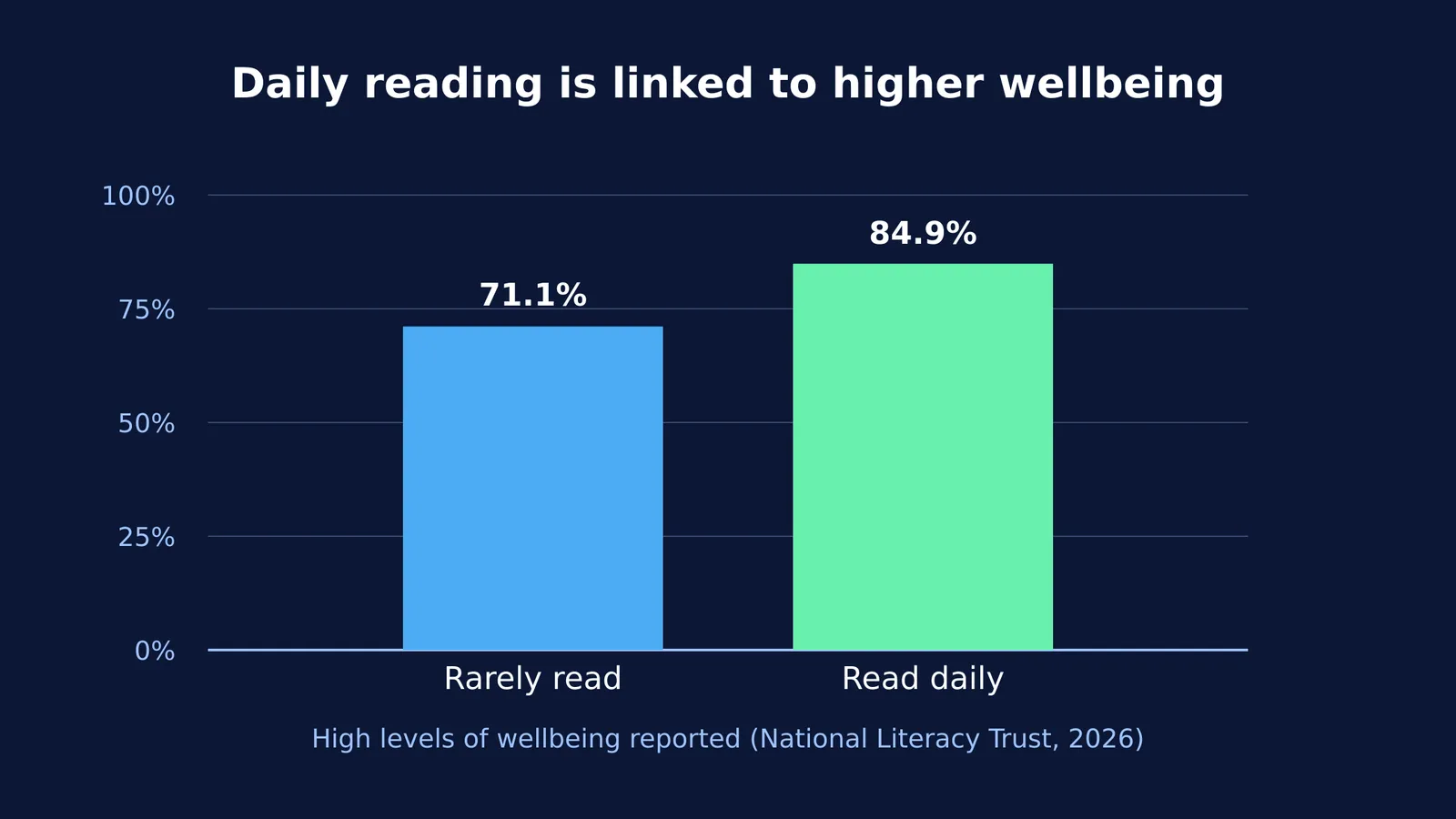
The format of a magazine is inherently low-pressure. Students can skip articles that do not interest them and dive deeply into the ones that do. This autonomy is crucial for motivation. The 2026 survey by the National Literacy Trust revealed a strong link between reading frequency and mental health. It found that 84.9% of daily readers reported high levels of wellbeing, compared to just 71.1% of those who rarely read.
Magazines also introduce technical vocabulary in a relaxed setting. A child reading about a Mars rover naturally absorbs terms like "trajectory", "payload" and "spectrometer" without feeling tested. This helps them build a stronger foundation for when they encounter similar concepts in a formal classroom setting.
If a magazine feature sparks a deeper interest in how those trajectories work, the Fermi Concept Library covers every concept in physics, chemistry, biology, mathematics and computing, each with its own lesson and its place in the map, allowing them to explore the underlying rules deeply.
How should you use each issue at home?
A subscription only works if the magazines are actually read. If issues simply pile up on a desk, the child loses out on the benefits. Integrating them into your family routine requires a light touch, as pushing too hard can make reading feel like homework.
Here is a framework to make the most of each delivery:
By leaving the material accessible but optional, you invite curiosity. Engaging in conversations about what they read reinforces their comprehension and signals that their interests matter.
If a DIY experiment in the magazine involves a tricky calculation and they get stuck, the Fermi Problem Library has worked problems with a step-by-step solver that explains the reasoning rather than printing an answer.
Finally, keep the old issues. A magazine read at age 10 might be picked up again at age 12, with the child understanding the science on a completely new level. A back issue about genetics might seem too complex initially, but after a school lesson on DNA, it suddenly becomes relevant. By surrounding a student with accessible, high-quality science writing, you build a foundation of curiosity that outlasts any single exam. The goal is to make science a natural part of their environment, sparking questions that lead to deeper investigation.


