On this page
Most school tours spend a few minutes at the ground and most of an hour in the classrooms. That balance makes sense, but sport is where your child will spend a period every day, so it deserves a proper look. This guide covers three things to check: the grounds, the people who run sport, and the timetable. It also gives you a short script for the visit.
Why do sports facilities matter when choosing a school?
The WHO recommendation for children and adolescents is at least 60 minutes of moderate to vigorous physical activity a day, plus activities that strengthen muscle and bone at least 3 times a week. Most teenagers fall short. According to the WHO physical activity fact sheet, 81% of adolescents aged 11-17 were physically inactive, with girls less active than boys (85% against 78% not meeting the guidelines).
School is often the one place where activity can be built into every day, especially for city children with little open space nearby. If you want to know whether time on the field costs marks, we looked at that in do sports and hobbies hurt marks?
What sports facilities should a school have?
For CBSE schools, the board's sports facilities SOP for affiliation is a useful yardstick. It lists a sports field with a track of at least 200 m, at least two outdoor games (such as basketball, kho-kho, volleyball, football or kabaddi) and at least three indoor games (such as chess, table tennis, yoga, judo or badminton). It also says balls should come in sizes that suit the students' age group, and that mats should follow the norms of the national sports federations. State-board and ICSE schools follow their own rules, so ask which norms the school works to.
On the walk, look for these:
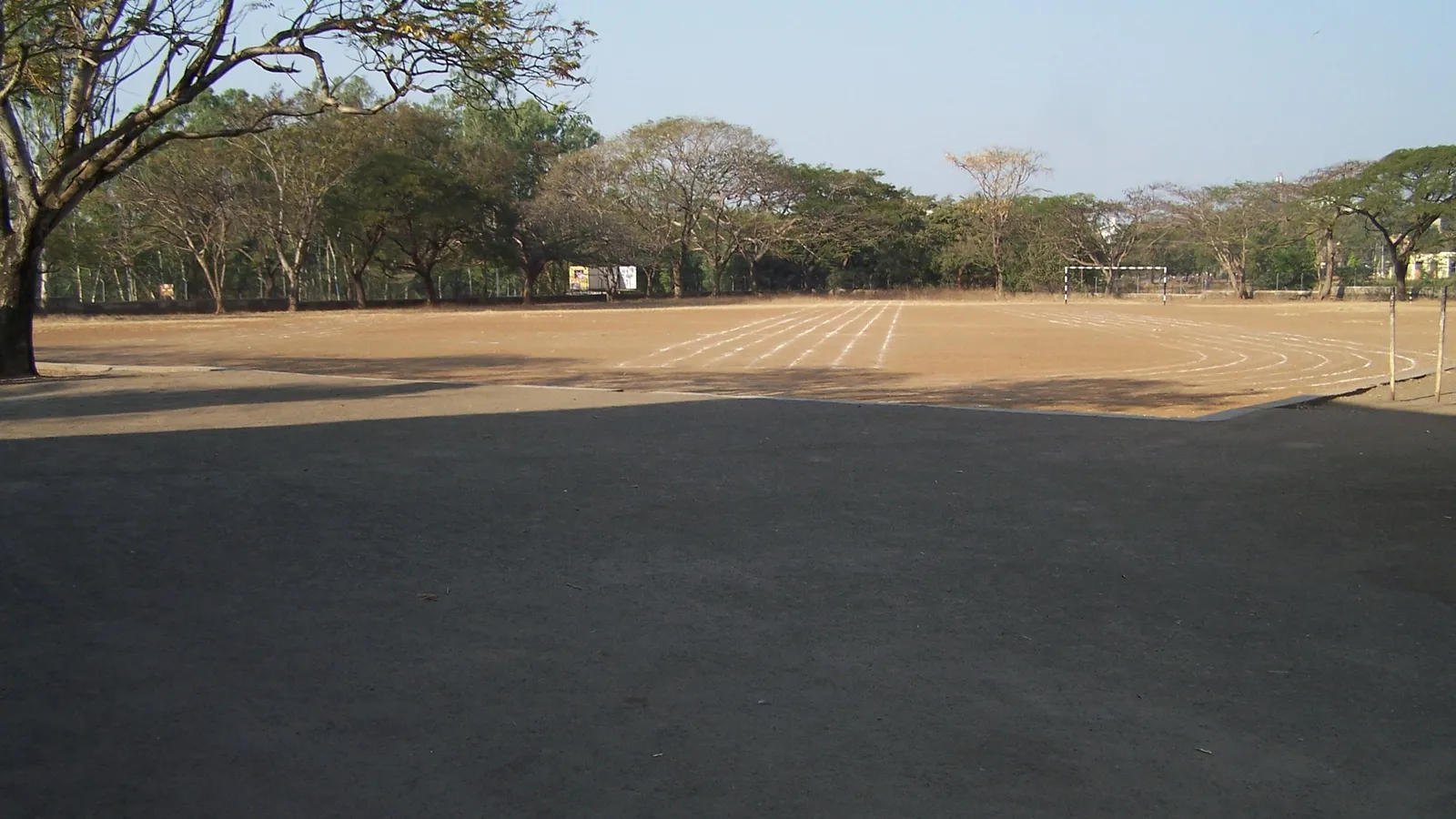
The ground itself: is it on the campus, and is it in use during the school day, or is it rented, shared or mostly a car park?
Surface and upkeep: a level ground with marked lanes, no broken glass or exposed pipes, and drainage after rain.
Indoor space: a hall or covered area for monsoon and hot afternoons, so sport is not the first thing cut.
Equipment: enough balls, mats and bats for a full class, in sizes that fit younger children.
Basics: drinking water near the ground, shade, toilets, a first-aid kit and someone trained to use it.
How do you check the coaches and PE teachers?
A CBSE circular from December 2019 says its affiliation bye-laws require a physical education teacher for every 500 pupils at each stage (primary, secondary and senior secondary), and that sports rooms, equipment and a playground are mandatory. The sports SOP asks for a PE teacher with a B.P.Ed. for the primary and middle classes and, for the secondary and senior secondary classes, a sports teacher plus a senior sports teacher with a master's in physical education, or as per NCTE guidelines.
You do not need to see certificates. Ask how many PE teachers there are, which classes each one takes, and whether outside coaches come in for specific sports. Ask who supervises a girls' team at an away match, and how injuries are reported to parents.
How many sports periods should be on the timetable?
The same CBSE circular says Health and Physical Education is compulsory for Classes I-XII, with one period each day, and that students must take part in at least two sports activities. Rules can change, so ask the school how it follows the board's current guidance.
Here is a worked example. Say a school runs a six-day week with one 40-minute games period a day. That is 240 minutes a week. The WHO's 60 minutes a day comes to 420 minutes a week, so school covers a little over half at most. That assumes children are moving for the whole period and that it is not given to maths revision before exams. Ask to see a real class timetable, not the brochure, and ask whether games periods continue in Classes IX to XII.
What should you ask on the school visit?
Keep it short and friendly. You can say:
"Could we see the ground and the indoor hall while a class is using them?"
"How many PE teachers do you have, and which sports does each one coach?"
"How many games periods does Class 7 have this week? Are they ever used for other subjects?"
"Which sports can a beginner join, and is there a team for children who are not in the top squad?"
"What happens when it rains or the air quality is poor?"
Write the answers down for each school and compare them side by side. For the rest of the tour, our primary school visit checklist covers classrooms, safety and fees. If the school you choose has little space, making outdoor play easy in a city has ideas for after school.
A child who trains in the evenings may have short study slots. Fermi's AI tutor works out what a student already knows and builds a plan for the session, so a short slot goes on the right topic.