On this page
When exams get closer, the first thing many families cut is football, music or dance. The worry is reasonable: time spent on a hobby is time not spent studying. But the research on extracurricular activities and achievement mostly does not support cutting them by default. Here is what the studies found, what they cannot tell you, and a simple way to decide for your own child.
What do studies of school activities find?
In a study, Herbert Marsh and Sabina Kleitman looked at how participation in extracurricular school activities related to outcomes in the last year of school and after, including grades, homework, aspirations, university applications and later education. They found small positive effects that mostly rose with participation, with diminishing returns at extremely high levels. School-based activities were more beneficial than out-of-school ones, and the most beneficial mix included both non-academic activities (sports, student government, school publications, performing arts) and academic ones. Benefits were as large or larger for students from disadvantaged backgrounds.
A study by Jennifer Fredricks and Jacquelynne Eccles followed an economically diverse sample of African American and European American students. After controlling for some prior self-selection factors, participation in school clubs and organised sports in the eleventh grade was associated with indicators of academic and psychological adjustment, and also with drug and alcohol use. Breadth of participation, meaning the number of different activity contexts, was linked with positive academic, psychological and behavioural outcomes.
What about sport and physical activity?
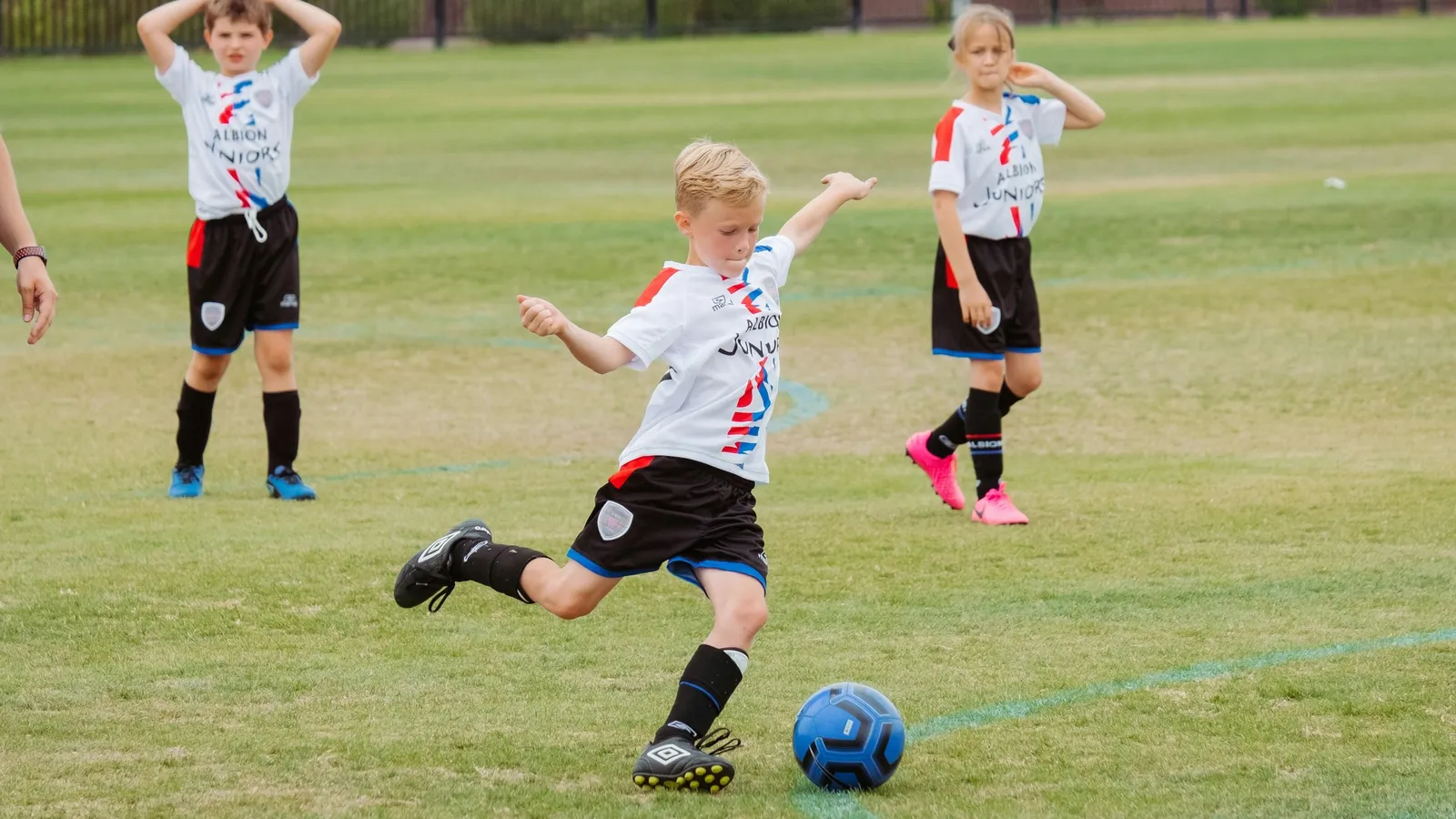
A systematic review led by Joseph Donnelly for the American College of Sports Medicine looked at children aged 5 to 13. Most of the research supported benefits of fitness and physical activity for cognitive functioning. For academic achievement, cross-sectional and longitudinal studies were favourable, but controlled experiments gave mixed results, and the authors called for better-designed studies. They also found no indication that more physical activity harmed academic achievement.
One of those experiments is reassuring for worried parents. In a three-year cluster-randomised trial in Kansas elementary schools, teachers delivered lessons with physical activity built in. The authors concluded the programme "neither diminished or improved academic achievement" compared with control schools, while adding active time without reducing time for academic instruction.
What the research cannot tell you
Most of these studies are correlational. Students who choose activities may already be more organised, confident or supported, and statistical controls only partly deal with that. The studies were also done mostly outside India and not specifically with students preparing for JEE or NEET. So the honest reading is: there is little evidence that moderate activity harms marks, and some evidence of benefits, but no guarantee for any one child. For more on exercise specifically, see does exercise help students learn?
A weekly check for your family
Instead of cutting activities by default, check four things every few weeks.
Sleep. The American Academy of Sleep Medicine recommends 8 to 10 hours per 24 hours for teenagers aged 13 to 18. If an activity pushes sleep below that, adjust its timing first. See how much sleep teenagers need.
Marks trend. Look at the direction over two or three tests, not one result.
Study quality. Is study time focused, or long and distracted? A major review of study techniques rated practice testing as high utility and rereading as low utility, so a shorter session of self-testing can do more than a long one of rereading.
Enjoyment. Does your child still look forward to the activity, or has it become another obligation?
A worked example: Class 11 with JEE preparation
Kabir plays basketball four evenings a week and attends coaching on weekends. His marks have held steady but he is sleeping about seven hours. Rather than quitting, the family moves two practices to the weekend mornings he already had free, so he can sleep earlier on school nights. He keeps two weekday practices as a fixed break between school and evening study. After a month, sleep is closer to eight hours and his test scores have not dropped.
The rule they used: protect sleep first, keep at least one activity the student enjoys, and change timing before cutting.
When cutting back makes sense
Cut back if sleep stays short despite rescheduling, if marks fall steadily over several tests, or if your child asks to. Before a board exam or entrance exam, pausing for a few weeks is different from giving up an activity altogether. Agree on a return date.
On busy days, short focused practice helps. The Fermi Problem Library has worked problems with a step-by-step solver that explains the reasoning, which suits a 30-minute session after practice. For ideas on using short breaks well, see what to do in a study break.
This week, write down how many hours your child slept each night. Start the conversation there.