On this page
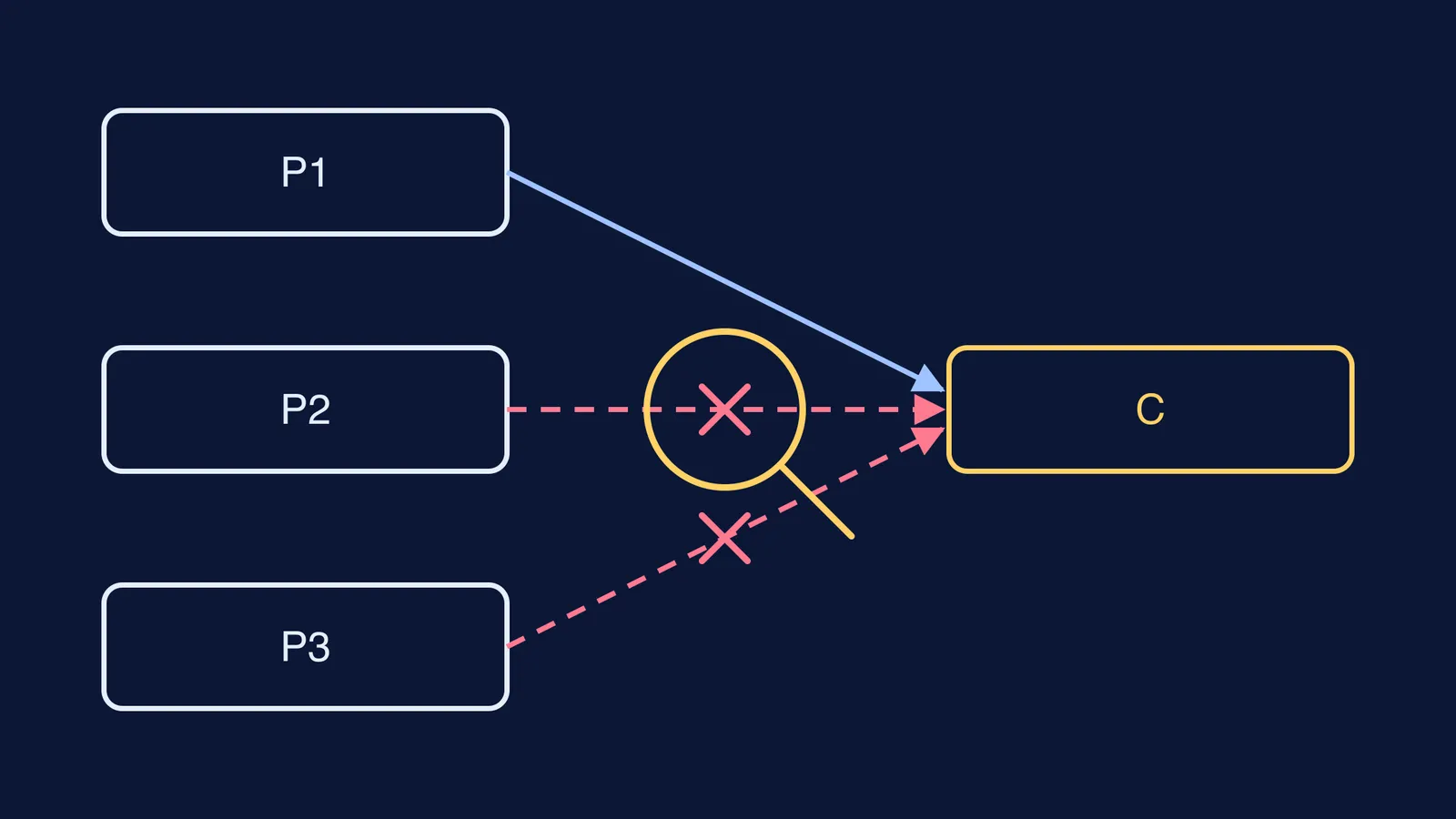
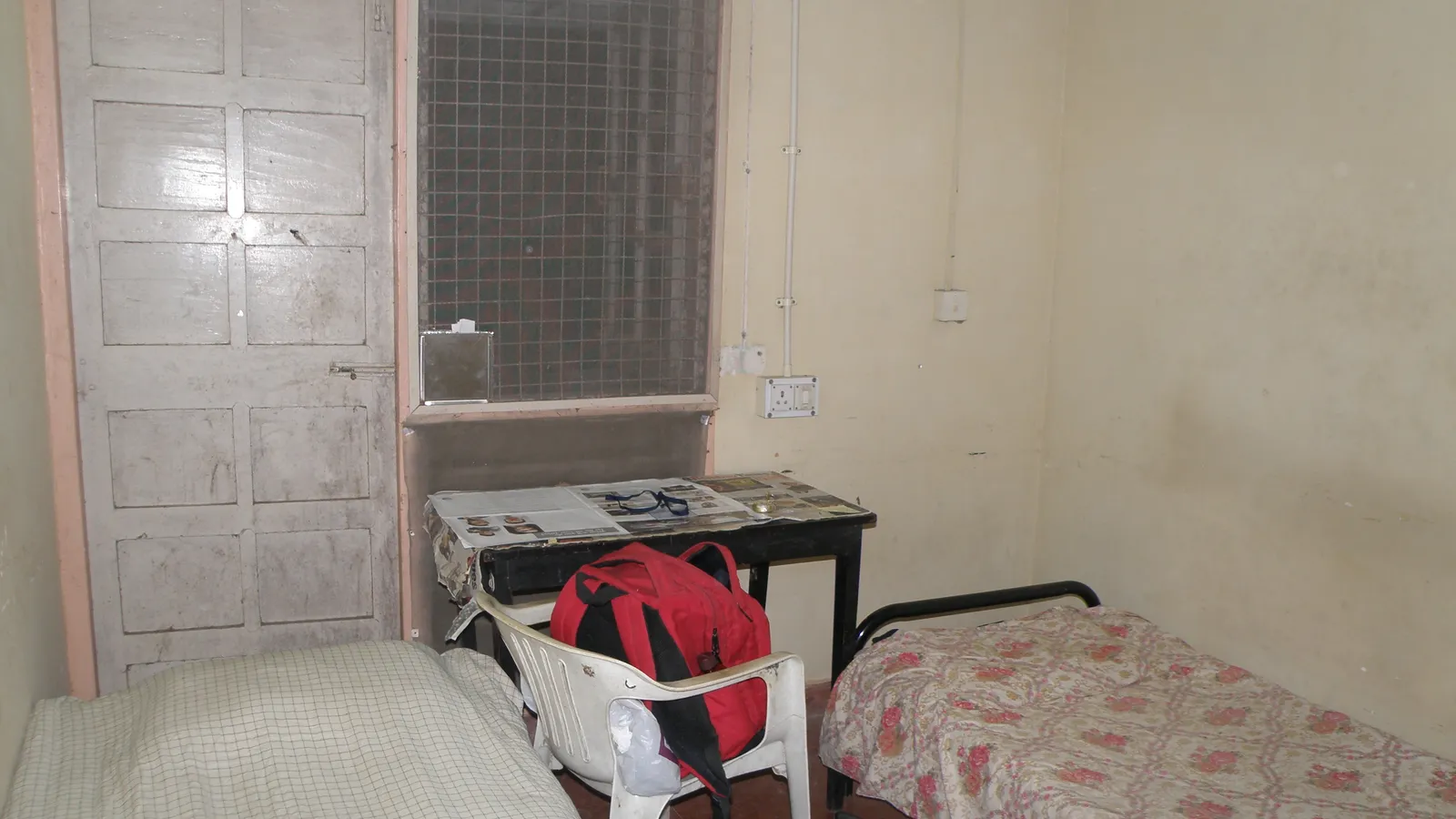
Board exams are close, the door is shut, and you have no idea whether the hours behind it are chemistry or reels. A camera in the corner looks like an easy answer. First, see what researchers found when children knew they were being watched.
What does a camera in the study room do to motivation?
Self-determination theory, built by Richard Ryan and Edward Deci, holds that people stay motivated when three needs are met: competence, autonomy and relatedness (Ryan and Deci, 2000). Their review says that when these needs are thwarted, motivation and well-being drop. A camera pointed at a desk speaks straight to autonomy: it tells your teen the effort is yours to inspect, not theirs to own. Our explainer on what Deci and Ryan found about motivation covers the theory in more depth.
This has been tested with real cameras. In a 1975 experiment by Mark Lepper and David Greene, preschool children told that a television camera would monitor their work later showed less interest in the same activity than children who were not monitored (Lepper and Greene, 1975). Interest was measured two weeks later, in their classrooms, when nobody was watching.
A 1985 study by Robert Plant and Richard Ryan found a similar pattern: video surveillance had a negative effect on intrinsic motivation, which the authors put down to it being a controlling form of regulation (Plant and Ryan, 1985). These were lab studies, not Indian homes during exam season, but they point the same way. Being watched can turn a task into something you do for the watcher.
Does watching help parents know what is going on?
Less than you might expect. Margaret Kerr and Håkan Stattin studied 1,186 14-year-olds in Sweden and their parents (Kerr and Stattin, 2000). Teens whose parents knew a lot about their lives were better adjusted, but what the teens chose to tell their parents explained more of that link than the parents' tracking and surveillance did. Teens who felt controlled showed poorer adjustment.
How can I check my child is studying without a camera?
Check the work, not the room. Three ways that give you better information:
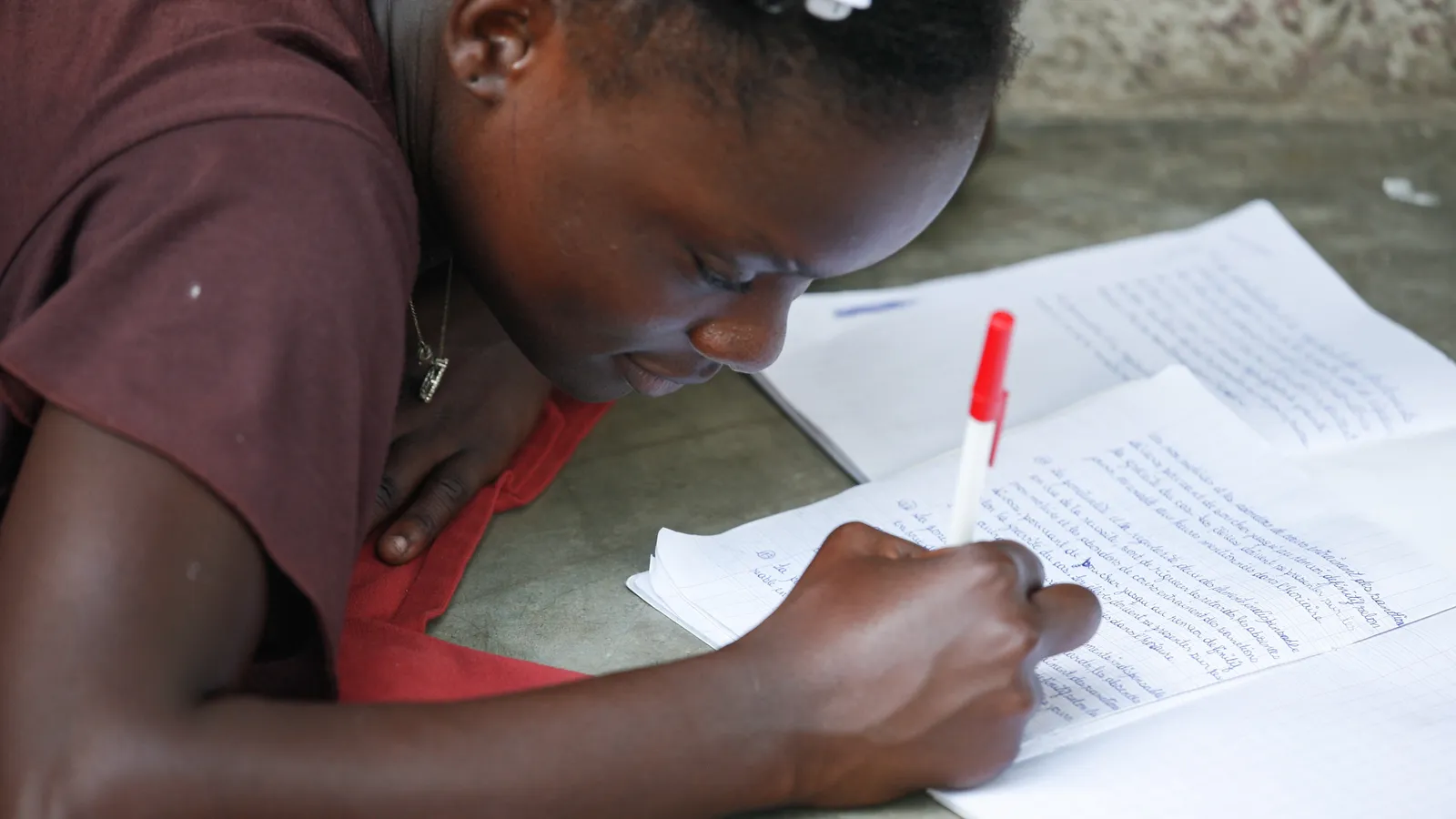
Output check. At the end of a session, ask to see something made: five solved problems, a page of notes, a marked practice test. Hours at a desk prove little; finished work proves more.
Two-minute teach-back. Ask your teen to explain one idea they studied today, as if teaching you. If they get stuck, that is useful information for both of you, not a reason to scold.
Plan in, review out. Before studying, they write three specific goals on paper ("NCERT chapter 4 examples 1 to 8"). Afterwards, you look at the list together for two minutes and tick what got done.
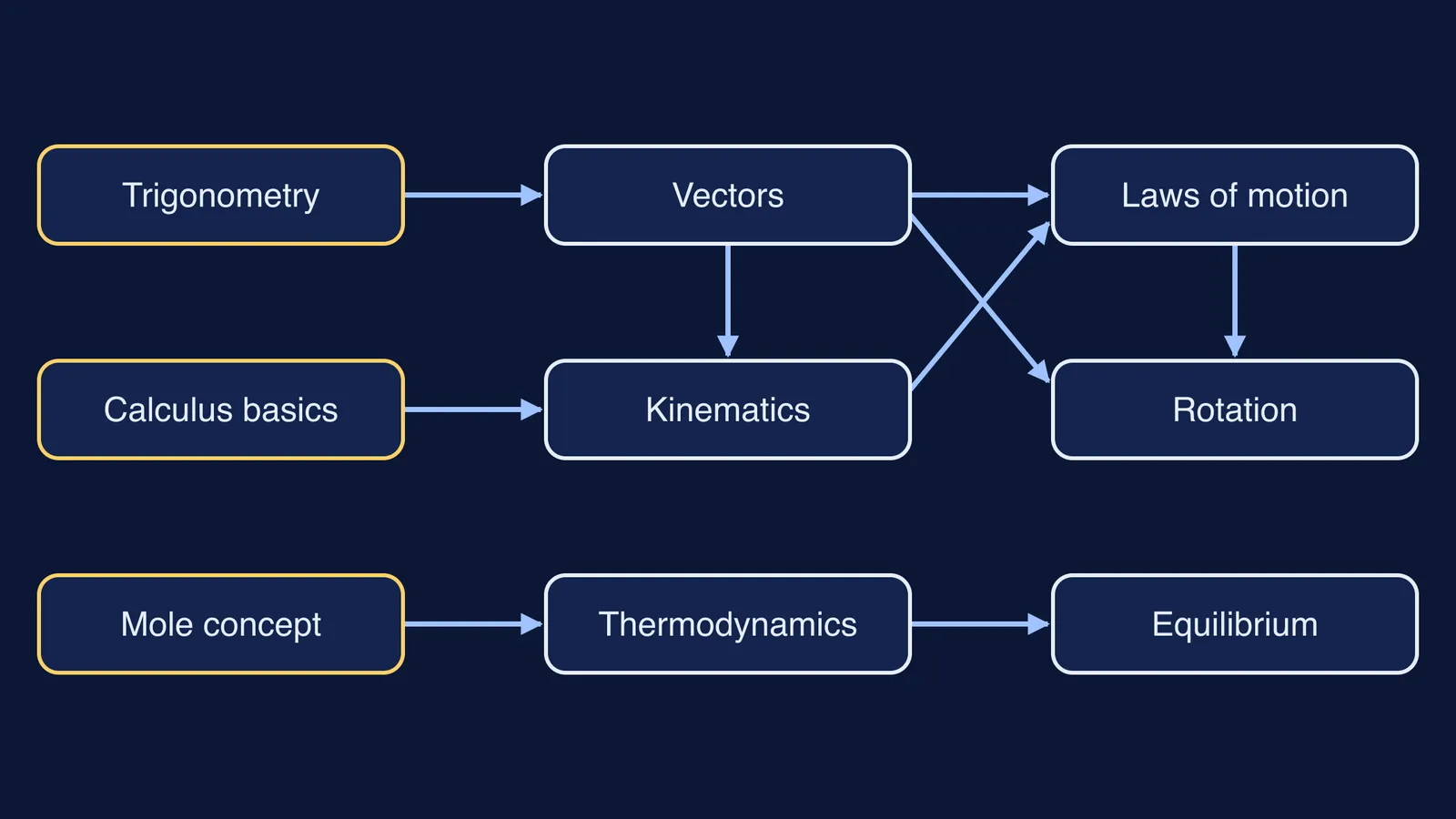
If the real problem is not knowing where to begin, Fermi's AI tutor can work out what your child already knows and build a plan for the session, which gives your plan-in, review-out check something concrete to start from. For the output check, the Fermi Problem Library has worked problems with a step-by-step solver that explains the reasoning, so your teen can show the method, not just the answer.
What should I say to agree check-ins together?
Pick a calm moment, not the night of a bad test. A script you can adapt:
"I've been worried about how studying is going, and I almost bought a camera. I don't want to do that."
"What would help me trust that it's going okay, without me hovering?"
"Here's my idea: you show me what you finished each evening, and once a week you explain one topic to me. What would you change?"
"Let's try it for two weeks and then decide together whether to keep it, change it or drop it."
"If something is making studying hard, like sleep, a subject you're stuck in, or stress, I'd rather hear it from you than find out another way."
Let your teen choose the time and format of the check-in. That choice gives them ownership of the routine, and autonomy is one of the needs the research above links to motivation. For more on this, read our guide to parenting that supports choice and autonomy, and our piece on tracking coaching attendance without losing trust.
If the worry is not really about studying, and you are seeing changes in sleep, mood or eating, talk to a school counsellor or doctor. Tele MANAS, the government's free mental health helpline, is on 14416 (Press Information Bureau).
Tonight, skip the shopping cart and ask the second question in the script instead.