

On this page
You ask a chatbot for a Hindi letter to your principal and get a neat draft in seconds. The Hindi reads well. The real question is whether the frame around it (who it is addressed to, the विषय line, the way it ends) matches what your examiner expects. That frame carries a fixed mark, and a chatbot can quietly blend formats.
How are Hindi letters marked in CBSE board exams?
In CBSE's official Class 10 Hindi Course A sample paper for 2026-27, question 13 asks for a letter of about 100 words, with a choice of two. One is formal: writing to the editor of a daily newspaper about cutting down the flood of advertisements and making room for writing on current issues. The other is informal: writing to your younger brother about restrained behaviour and sweet speech after a letter from your mother.
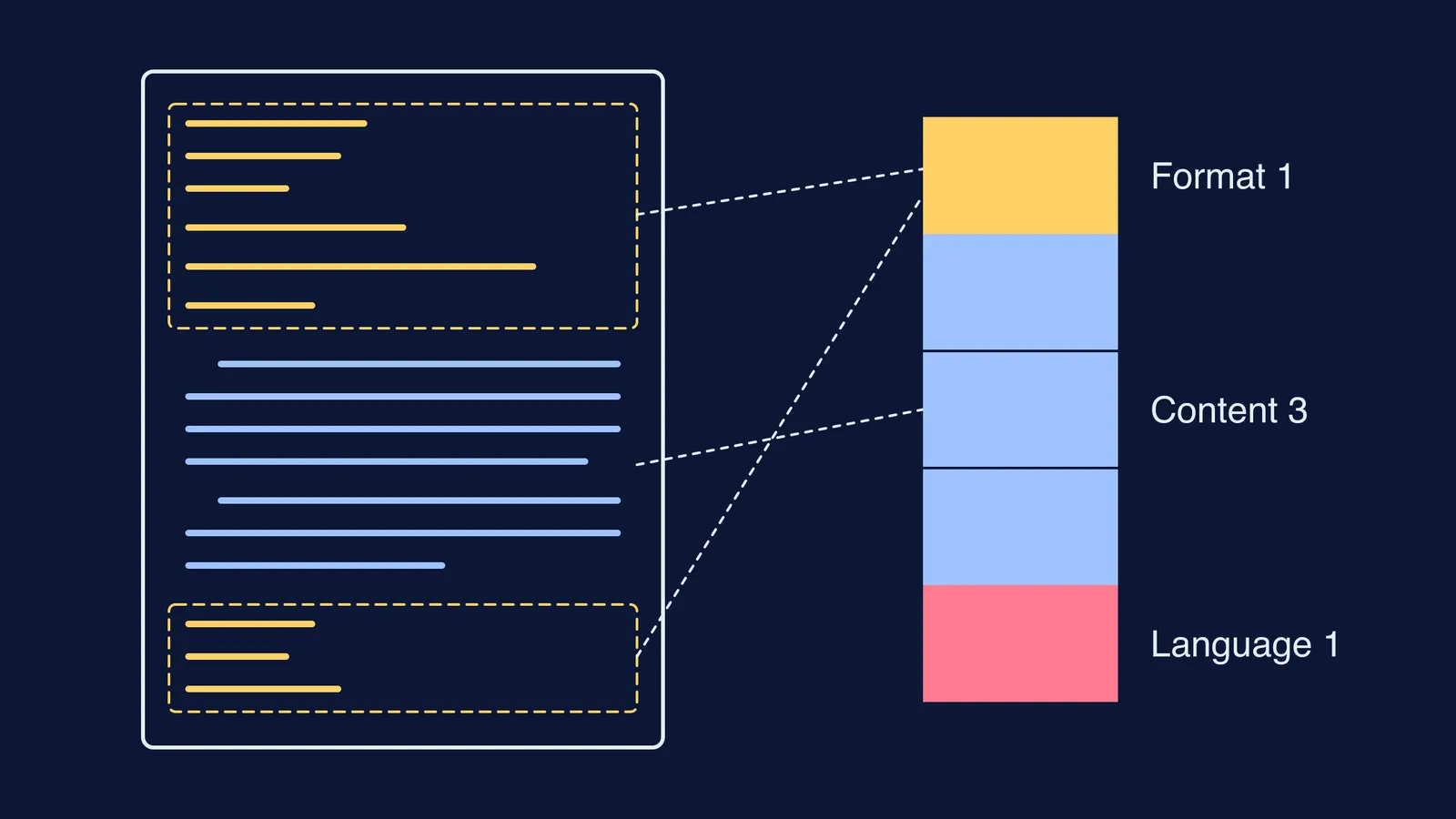
The Course A marking scheme gives the letter 5 marks: 1 for प्रारूप (the opening and closing formalities), 3 for विषयवस्तु (content) and 1 for भाषा शुद्धता (correct language). The Course B marking scheme uses the same 1-3-1 split for its 100-word letter. The sample paper's footer says the paper design and evaluation have not changed for 2026-27, and you can find every subject on CBSE's sample paper page.
The question also tells you who you are: “आप रेवा/रवि हैं”. Your letter should be signed with that name, not your own, and that choice also decides the gender of your closing words.
Where does AI get Hindi letter formats wrong?
A chatbot predicts likely text from what it has read, and the web holds many versions of “the” Hindi letter format. So read every AI draft for these slips:
Two types in one letter. A letter to your brother that carries a विषय line and ends with भवदीय, or a letter to an editor that opens with a warm, family-style greeting.
A salutation that ignores the relationship. The greeting should fit the person: respectful for an editor or principal, affectionate for a younger brother.
A vague or missing विषय. In a formal letter it should be one short line naming the purpose, not a whole sentence of explanation.
A closing that does not match. भवदीय in an informal letter, “आपका आज्ञाकारी शिष्य” in a letter to an editor, or a male closing (भवदीय) when the question makes you रेवा, which needs भवदीया.
English habits in Hindi. “Dear Sir” and “Yours faithfully” translated word for word, or a date in month-day order.
Length. A 250-word letter when the sample paper asks for about 100.
If you use AI to turn an English letter into Hindi, the same checks apply; our explainer on how AI translates between Indian languages shows why literal phrasing creeps in.
What is the five-point format check?
Keep your teacher's model letter (formal and informal) open next to the AI draft and tick these five points:
Type. Who receives it? An editor, principal or officer means formal; family or a friend means informal. Every part of the letter must belong to that one type.
Opening block. Sender's details, date and (for formal letters) the receiver's designation and address, in the order your model letter uses.
विषय. Present in a formal letter as one short line; absent in an informal one unless your teacher's model includes it.
Salutation. It fits the relationship and matches the tone of the first sentence.
Closing and name. The closing word fits the type and the gender of the name the question gives you, and the name is the one in the question.
A worked example
Take option (A) above and imagine you are रेवा. Suppose an AI draft ends with “आपका विश्वासी, रवि”. Two points fail: the closing is a word-for-word “yours faithfully”, and the name and gender are wrong. The fix is to end with भवदीया, then रेवा, laid out as in your model letter. The content can stay; that part of the format now matches the question.
How should you practise letters with AI?
Use AI for feedback, not for the frame. A plan for one practice letter:
Write the letter yourself, by hand, within the sample paper's limit of about 100 words.
Paste your teacher's model format into the chat and say: “इस प्रारूप को आधार मानकर मेरे पत्र में केवल प्रारूप की गलतियाँ बताओ। पत्र दोबारा मत लिखो।” (Using this format as the standard, list only the format mistakes in my letter. Do not rewrite it.)
Run the five-point check yourself before you accept any correction.
Rewrite once, and count your words.
For the rest of the paper, read our guide on how to write answers in the Hindi board exam. The English paper has its own rules, covered in notice and letter formats for Class 12 English.
For maths and science, Fermi's AI tutor teaches rather than just answering: it decides whether to explain, ask or show, and checks understanding as it goes.
Tonight, pick one letter from the sample paper, write it, and run the five checks before you open any AI tool.


