

On this page
In the early twentieth century, a child with polio could be strapped into splints or a plaster cast for months. Elizabeth Kenny, a nurse working in the Australian bush, did almost the opposite. She warmed the painful muscles, moved the limbs gently and taught patients to use them again. Her ideas were fiercely disputed, yet they later helped shape rehabilitation medicine.
What was polio, and why were limbs splinted?
The World Health Organization describes polio as a highly infectious viral disease that invades the nervous system and can cause total paralysis within hours. According to the same WHO fact sheet, one in 200 infections leads to irreversible paralysis, usually in the legs, and 5 to 10% of those paralysed die when their breathing muscles become immobilised.
The standard treatment of the time aimed to stop weakened limbs from becoming deformed. According to the physiotherapy history site history.physio, doctors used splints on the theory that they stopped contracting muscles from distorting healthy ones, so the main idea was to hold the limb still. Kenny noticed that with splints or casts, the pain could last for weeks or months.
What was the Sister Kenny treatment for polio?
Kenny was born in 1880 in Warialda, New South Wales, and earned the title "Sister" while nursing on transport ships that carried soldiers during the First World War, according to her Wikipedia biography. Her method had three parts, as summarised by history.physio:
Hot packs. She tore woollen blankets into strips, soaked them in hot water, wrung them out and wrapped them around painful arms and legs to relieve what she saw as muscle spasm.
Passive movement. While the illness was still in its early stage, she gently moved the patient's limbs for them so the joints and muscles did not stiffen.
Muscle re-education. She taught patients about their muscles and asked them to concentrate on a muscle while trying to move it, so they relearned how to use it.
The Minnesota Historical Society's MNopedia says her method "re-taught patients how to use limbs that had been only temporarily paralyzed by the virus." Muscles whose nerves had been destroyed could not be brought back.
If you want the biology of muscle pairs in detail, our explainer on how biceps and triceps work as antagonistic muscles walks through it.
Why did doctors oppose Sister Kenny?
According to her Wikipedia biography, Kenny's clinic in Townsville opened in 1933, and the Queensland government funded a trial of her methods there in 1934. A 1934 official report on the clinic was cautiously supportive but said she was exaggerating how much her methods helped. Then a Royal Commission, sitting from 1936 to 1938, called her clinic, by then in Brisbane, "admirable" but warned that "the abandonment of immobilization is a grievous error and fraught with grave danger."
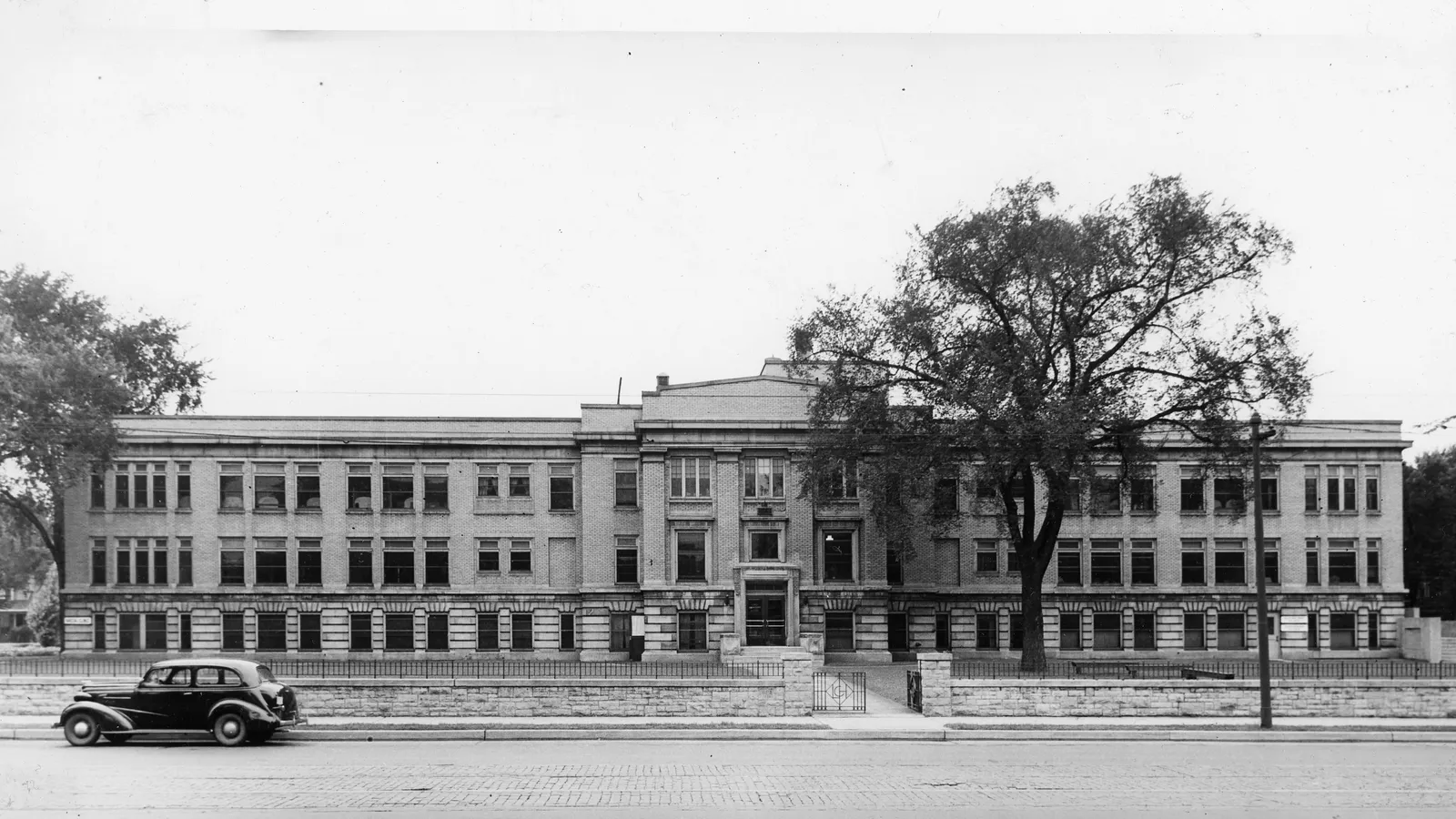
In 1940 she went to the United States. According to MNopedia, doctors in New York and Chicago dismissed her, but in Minnesota she found an interested audience. The Elizabeth Kenny Clinic in Minneapolis opened on 17 December 1942 with 100 beds, and it often served many more patients than that. A 1943 medical report quoted by history.physio found her patients were more comfortable and seemed to have less residual paralysis and deformity than those treated by older methods.
How did Kenny's method shape rehabilitation medicine?
The Minnesota Historical Society states that Kenny's heat packs and careful exercise for polio "became the basis of a new field of medicine called rehabilitation medicine." After the polio vaccine was announced in 1955, her institute widened its work to cover rehabilitation in general.
India is part of the WHO South-East Asia Region, which was certified polio-free on 27 March 2014. It was vaccines, not hot packs, that brought polio under control. For how the worst cases were kept breathing, read about Forrest Bird and the respirator that replaced the iron lung, or about how Jonas Salk and Albert Sabin's two vaccines beat polio.
What can a student learn from Kenny's method?
Use this checklist to judge her method or any new medical claim:
What exactly was observed? Kenny saw that splinted patients stayed in pain for weeks.
What is the proposed mechanism? Heat eases tight muscles, then movement keeps them working.
What would prove it wrong? If Kenny-treated patients ended up with more deformity, the Royal Commission's warning would have been correct.
Who tested it, and how? Ask whether outside doctors compared groups of patients, or whether the evidence came only from the person promoting the idea.
What can it not do? It could not repair nerves the virus had killed.
If terms like motor neuron, reflex arc or muscle tone get in the way, the Fermi Concept Library has a lesson for every concept in biology. You can also work through how nerves and muscles act together with Fermi's AI tutor, which checks your understanding as it goes.


