On this page
Guy de Maupassant's story is chapter 7 of NCERT's supplementary reader Footprints Without Feet, and is prescribed in CBSE's 2026-27 English Language and Literature syllabus. The story first appeared in the French newspaper Le Gaulois on 17 February 1884, according to the encyclopedia entry on The Necklace.
What happens in The Necklace?
Matilda is pretty but was born into a family of clerks, and she marries a petty clerk in the Board of Education. She is unhappy, dreaming of luxuries she cannot have, as the NCERT text shows.
Her husband brings home an invitation to a ball at the Minister of Public Instruction's residence. She weeps because she has nothing to wear, so he gives her the 400 francs he had saved for a gun. Lacking jewels, she visits her rich school friend, Mme Forestier, and borrows a diamond necklace.
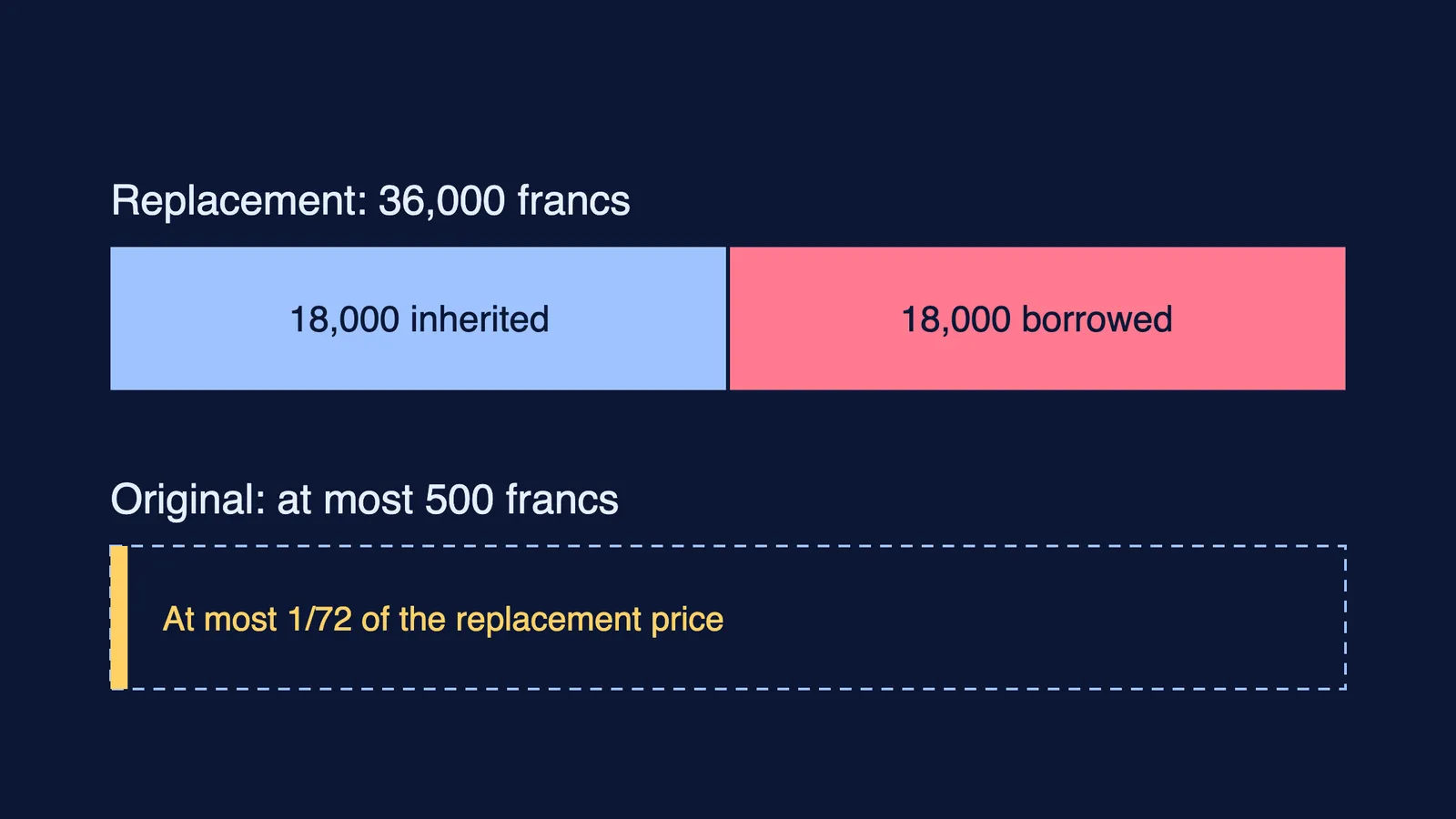
At the ball she is the prettiest woman in the room. They leave at about four in the morning; at home, the necklace is gone. After a week, they find a similar one in a Palais-Royal shop, valued at 40,000 francs and sold for 36,000. Loisel has 18,000 francs from his father and borrows the rest from moneylenders.
They spend ten years paying it back. Matilda sends away the maid, moves to an attic, washes, scrubs and haggles; Loisel copies documents at night. Years later she meets Mme Forestier on the Champs-Elysees and tells her everything. Her friend replies that the original was false and worth at most 500 francs.
What are the themes of The Necklace?
Tie each theme to a line from the NCERT text.
Pride and appearances. Matilda fears a "poverty-stricken look" among rich women, so she borrows the necklace, then hides its loss.
Honesty. One honest sentence to Mme Forestier would have saved ten years. NCERT's discussion prompt is "Honesty is the best policy."
Contentment. Matilda has a kind husband but measures her life against the rich. The second prompt is "We should be content with what life gives us."
Irony of fate. The story reflects, "How small a thing will ruin or save one!" The jewel she wanted for a single night shapes the next decade.
Dignity in hard work. She does her part "heroically", and at the end she smiles "with proud and simple joy."
How do you write character sketches for The Necklace?
Matilda Loisel: beautiful, dissatisfied and vain at the start; she cries over a dress and rejects natural flowers. Later she works off the debt without complaint; show this change, not just her vanity.
M. Loisel: contented, generous and loving. He gives up his gun money, waits half asleep until four in the morning and spends his inheritance on the debt. His flaw: he too chooses concealment, dictating the letter about a broken clasp.
Mme Forestier: rich and generous (she lends the necklace at once), a little cold when it comes back late, and moved when she learns the truth.
Which exam questions come from The Necklace?
In the CBSE 2026-27 syllabus, Footprints Without Feet gets two short answers of 40-50 words each (from a choice of three, 6 marks) and one long answer of about 100-120 words on theme, plot or character sketch (from a choice of two, 6 marks). Practice questions, mostly from NCERT's "Think about it" list:
The course of the Loisels' life changed due to the necklace. Comment.
What was the cause of Matilda's ruin? How could she have avoided it?
What would have happened if Matilda had confessed to her friend?
Write a character sketch of M. Loisel.
A worked answer to question 2 (about 110 words), using the NCERT text:
Matilda's ruin was caused by her pride and her longing to look rich. Unhappy with her modest life, she could not bear to attend the Minister's ball without jewels, so she borrowed a diamond necklace from Mme Forestier. When she lost it, pride struck again: instead of confessing, she and her husband bought a replacement for 36,000 francs and spent ten years in poverty repaying the debt. She could have avoided this by being content with natural flowers, or by simply telling her friend the truth. Mme Forestier, who was generous, would likely have revealed that the necklace was false and worth at most 500 francs. One honest sentence could have saved a decade.
For any 6-mark answer:
Answer the question in your first sentence.
Add two details from the text, with numbers where you can.
Bring in the twist or the irony.
End with the value or lesson in one line.
What should you read next?
Try our A Letter to God summary, themes and exam answers. If you revised from a chatbot, check each claim against the page, since AI summaries can invent plot details. For timed answers, try this 20-minute board answer-writing drill.
For your science and maths revision, Fermi's AI tutor can work out what you already know and build a plan for the session, so you sit down to a clear next step.