

On this page
Prepositions and conjunctions are small words that cost marks out of proportion to their size. One wrong “in” or an extra “but” turns a correct sentence into an editing-task error. This guide gives you the rules for Classes 7 to 9, ten worked corrections, and a short daily drill.
What are prepositions and conjunctions?
A preposition links a noun or pronoun to the rest of the sentence to show time, place or direction, as in “at 7 o'clock”, “on the desk” and “into the house” (British Council, prepositions of direction).
A conjunction joins words or clauses. The Illinois Wesleyan Writing Center guide to conjunctions covers the two main kinds, coordinating and subordinating, explained below.
Which preposition goes with time, place and direction?
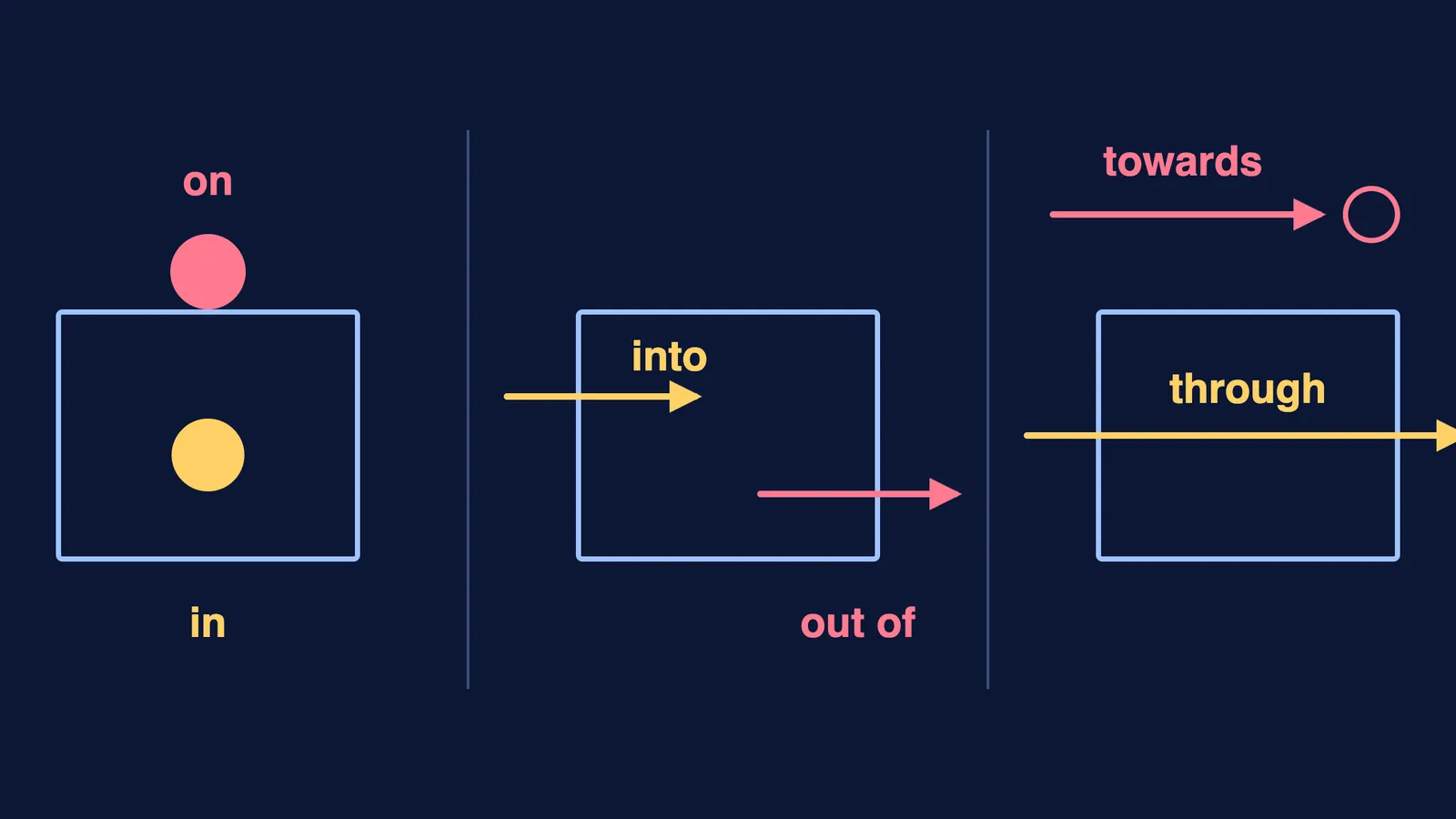
For time, the British Council's guide to at, in and on gives three rules:
at with clock times and mealtimes: at 6.30, at lunch, and in some fixed phrases such as at night.
on with days and dates: on Monday, on my birthday, on 15 August.
in with parts of the day and longer periods: in the morning, in May, in winter, in 2026.
For place, the British Council's page on prepositions of place says we use in for a place inside a bigger space (in the bag, in Pune), on for a surface (on the desk, on the fifth floor), and at for a place where an activity happens or an exact address (at school, at 15 MG Road).
For direction, the British Council lists prepositions we use to talk about direction, including into, onto, out of, through, across, along, past and towards. “She is in the room” tells you where she is; “she ran into the room” tells you where she went.
How do conjunctions join two sentences?
Coordinating conjunctions join two complete (independent) clauses, and the seven of them (for, and, nor, but, or, yet, so) spell FANBOYS, according to the Illinois Wesleyan Writing Center. Put a comma before the conjunction when it joins two clauses: “I revised the chapter, but I forgot the dates.”
Subordinating conjunctions such as because, although, when, if, unless, until, while and since make one clause depend on the other, the same guide explains. If the dependent clause comes first, add a comma after it: “Although it rained, the match went on.”
One join needs only one joining word. “Although” already links the two clauses, so adding “but” as well gives you two joiners for one join.
Which preposition and conjunction errors cost marks?
These ten are the kind of slips that editing and gap-filling questions test. Try each before reading the correction.
“I was born in 15 August.” Correct: “on 15 August” (a date takes on).
“We will meet on 5 pm.” Correct: “at 5 pm” (a clock time takes at).
“He jumped in the pool.” Better, if you mean movement: “into the pool”.
“She is sitting at the bench.” Correct: “on the bench” (a surface).
“I have lived here since five years.” Correct: “for five years”. The British Council's present perfect page uses for with a length of time and since to show when something started.
“Despite of the rain, we played.” Correct: “Despite the rain”. After despite or in spite of, the British Council says, use a noun, an -ing form or a pronoun.
“Although he studied hard, but he failed.” Correct: drop “but”.
“Because it was late. We left.” Correct: “Because it was late, we left.” A dependent clause cannot stand alone.
“Despite he was tired, he finished.” Correct: “Although he was tired” (although and even though take a subject and verb).
“Neither Ravi or Meera came.” Correct: “Neither Ravi nor Meera came” (the pair neither and nor always go together).
How does CBSE test grammar in Class 9 English?
CBSE's English curriculum for Class IX (2026-27) says grammar and vocabulary will be reinforced through editing tasks, sentence transformation and contextual exercises. It lists filling in blanks and multiple-choice questions among its objective question types, and it names noun and relative clauses as grammar to master. Prepositions and conjunctions are not listed by name, but noun clauses often open with conjunctions such as that, if or whether, so this practice feeds the clause work. Your school's Class 8 papers may differ, so check your own syllabus.
Here is a 15-minute drill for five days before a test:
Five minutes: write three sentences each for at, on and in, about your own week.
Five minutes: copy one paragraph from your English textbook and circle every preposition and conjunction.
Five minutes: redo the ten errors above without looking, then mark yourself.
If subject-verb slips also show up in your editing answers, add our ten subject-verb agreement rules. For tense errors, see tenses with examples; for passages, these three steps for reading comprehension.
If your weak spots are in science or maths too, Fermi's AI tutor works out what you already know and builds a plan for the session, so you start revision from a clear next step.


