On this page
This guide retells Nelson Mandela's extract in plain words, then gives you themes, a character sketch, answer outlines and a one-evening revision plan. Every quote is from the NCERT First Flight textbook, Chapter 2.
What is the summary of Long Walk to Freedom?
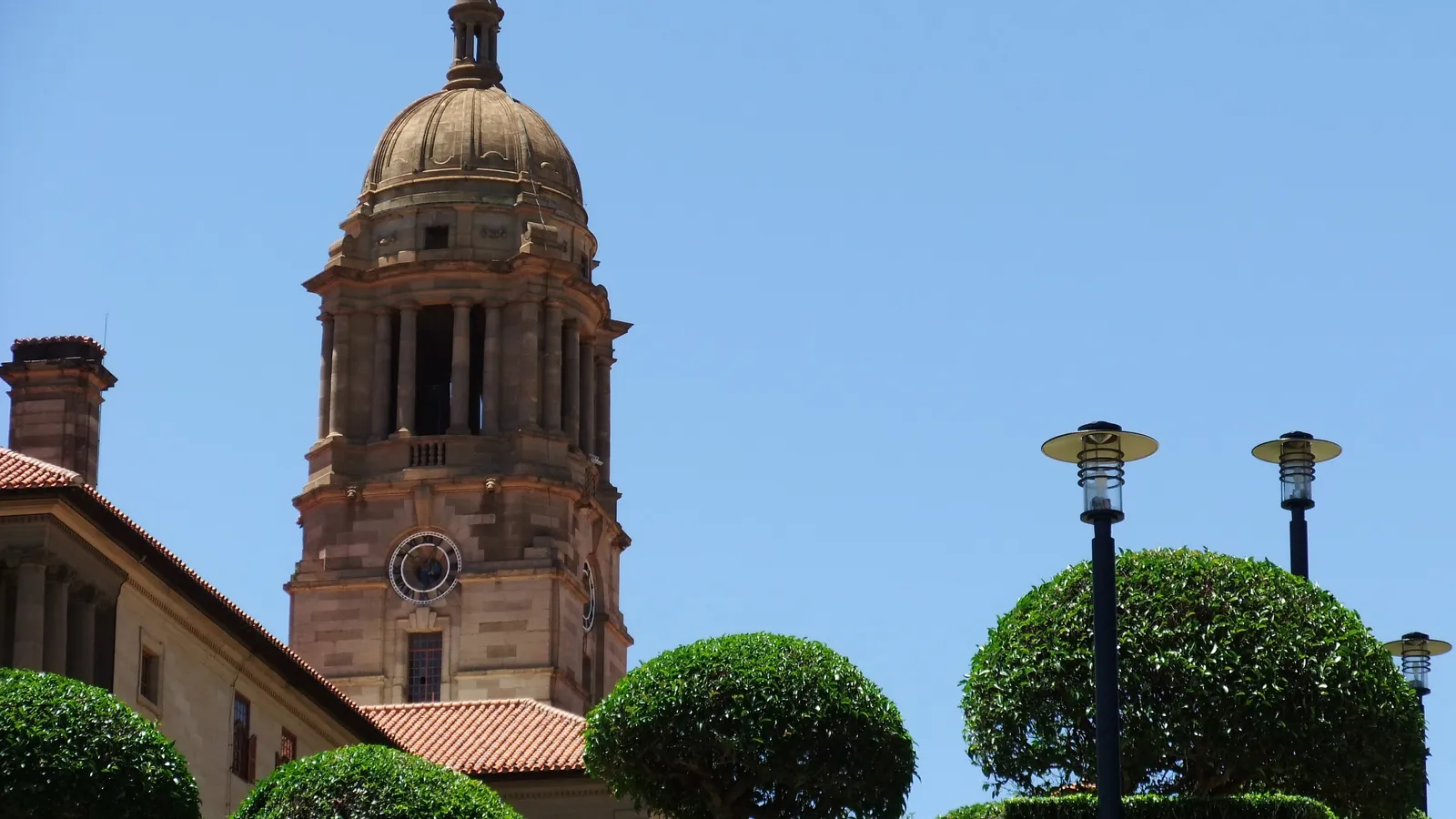
The chapter opens with a BBC news item from 10 May 1994, reproduced in the NCERT chapter. It reports that Mandela's African National Congress won 252 of the 400 seats in South Africa's first democratic elections, and that politicians and dignitaries from more than 140 countries attended the inauguration in Pretoria.
Then Mandela tells the day himself. The ceremony is held in the sandstone amphitheatre of the Union Buildings, for decades “the seat of white supremacy”. Mr de Klerk is sworn in as second deputy president, Thabo Mbeki as first deputy president, and then Mandela takes his oath. In his speech he promises that the land will “never, never, and never again” experience “the oppression of one by another”.
Jets, helicopters and troop carriers fly over in formation. Mandela notes that the generals who now salute him would not long ago have arrested him. Two national anthems are sung.
The second half is reflection. Mandela says he is simply the sum of the African patriots who went before him, and that decades of oppression produced men of extraordinary courage such as Oliver Tambo, Walter Sisulu, Chief Luthuli, Yusuf Dadoo, Bram Fischer and Robert Sobukwe. He traces how his idea of freedom grew, and ends by saying the oppressor must be liberated just as surely as the oppressed.
What are the main themes of the chapter?
Freedom grows with understanding. His boyhood freedom was “an illusion”; as a student he wanted “transitory freedoms”; in Johannesburg, “basic and honourable freedoms”; finally, his people's freedom. “Freedom is indivisible.”
Courage. Courage, he learned, means overcoming fear, not being without it. He learned it from comrades who stood up to “attacks and torture without breaking”.
The twin obligations. Every man owes something to his family and to his people. In apartheid South Africa, a man who served his people was bound to be torn from his family into a shadowed life of secrecy and revolt.
Love comes more naturally than hate. Hatred is learned, he argues, so love can be taught as well. Even a prison guard showed “a glimmer of humanity”.
Nobody is free while oppressing. Whoever robs another of freedom is himself imprisoned by hatred.
How do you write a character sketch of Nelson Mandela?
Use trait, evidence, quote: name the quality, point to the moment that shows it, and add a few words from the text.
Humble: he calls himself only the sum of the African patriots who came before him and is pained he cannot thank them.
Without bitterness: he is “not unmindful” that the saluting generals would once have arrested him, yet he values their loyalty to democracy.
Devoted to his people: his desire for his people's freedom turned a devoted family man into someone with no home.
Hopeful: he believes human goodness can be hidden but never put out.
What questions are likely in the exam?
Start with the chapter's own Oral Comprehension Check and Thinking about the Text questions in the NCERT textbook. Here are outlines for three likely ones, on the inauguration, courage and duty:
Why did so many international leaders attend the inauguration? It marked a shared victory for justice, peace and human dignity. The textbook's note says many countries had broken off diplomatic relations over apartheid; their presence recognised the new non-racial government.
What does courage mean to Mandela? The brave man is not one who feels no fear but one who conquers it. Add where he learned this (his comrades) and one example.
What are the twin obligations, and why could Mandela not fulfil both? Name both. Apartheid made it almost impossible for a man of his birth and colour to fulfil both, so serving his people cost Mandela his duties as son, brother, father and husband.
A fourth asks whether “depths of oppression” create “heights of character”. Use the six patriots as Mandela's evidence, then add one example from your history syllabus.
How can you revise this chapter in one evening?
A 45-minute plan:
10 minutes: retell the chapter aloud in six sentences without the book.
10 minutes: write the five theme quotes from memory, then check them against the chapter PDF.
15 minutes: write one timed answer on the twin obligations. The 20-minute board answer-writing drill shows how to turn points into a paragraph.
10 minutes: check any notes or AI summary you used by matching every claim to a page.
If science chapters are the part of your board plan that keeps slipping, Fermi's AI tutor can work out what you already know and build a plan for the session, so you sit down to a clear next step.