

On this page
Learn this chapter as three questions: what the groups are, what microbes do for us, and what they do to us. Food preservation follows from the third. The facts below follow the NCERT Class 8 Science chapter, Microorganisms: Friend and Foe.
What are the main groups of microorganisms?
Microorganisms, or microbes, are living things too small to be seen with the unaided eye, according to the NCERT chapter. They live from ice-cold climates to hot springs, and inside animals, including humans.
Bacteria: *Lactobacillus* (sets curd), *Rhizobium* (fixes nitrogen); some cause typhoid, tuberculosis and cholera.
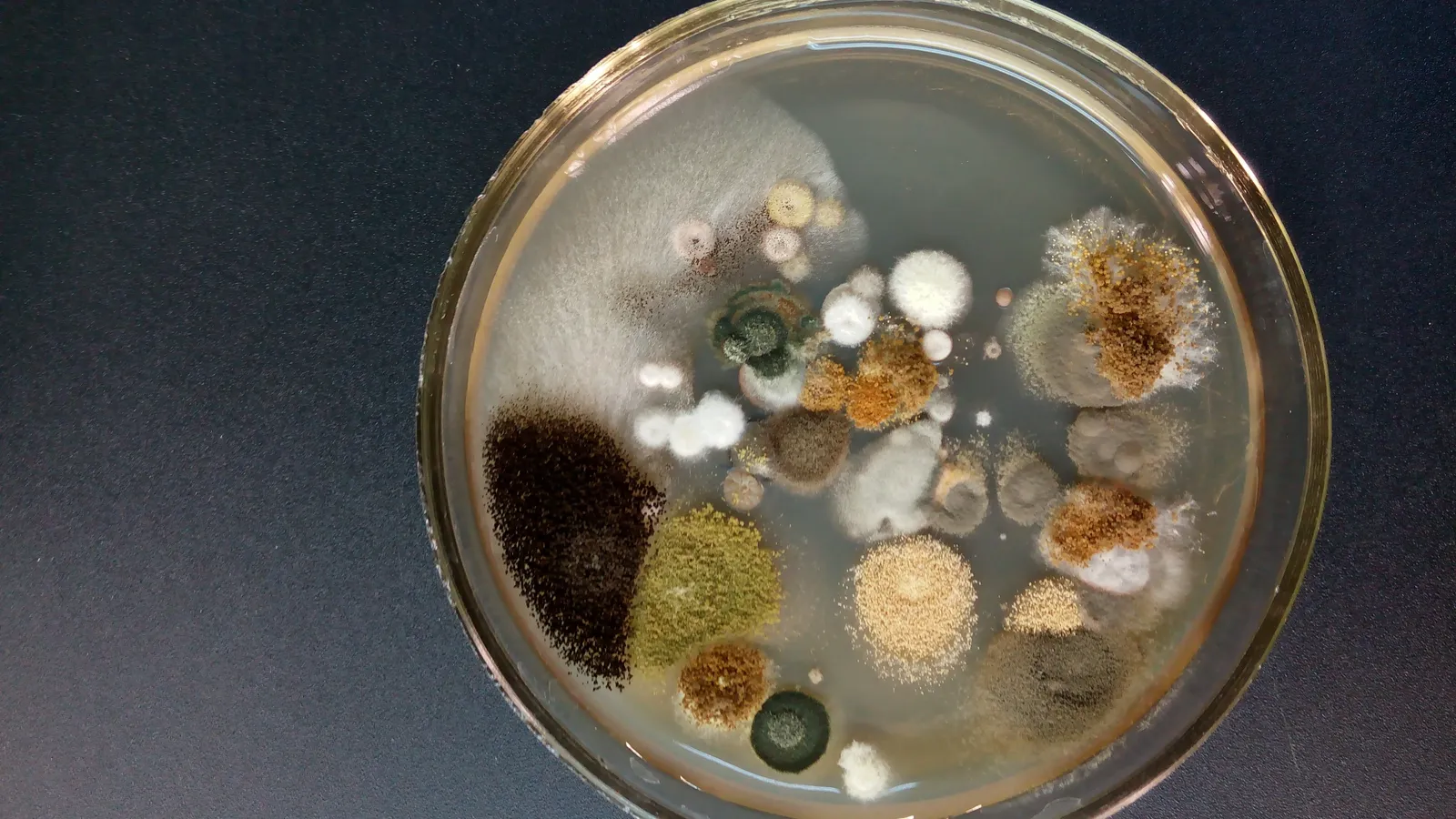
Fungi: bread mould, *Penicillium* and *Aspergillus*.
Protozoa: *Amoeba* and *Paramecium*; some cause malaria and dysentery.
Algae: *Chlamydomonas* and *Spirogyra*.
Viruses: reproduce only inside the cells of a host (a bacterium, plant or animal); they cause the common cold, flu, polio and chicken pox.
How are microorganisms useful to us?
The NCERT chapter describes these uses. Learn one example for each.
Food: *Lactobacillus* turns milk into curd. Yeast gives off carbon dioxide, which makes bread dough rise; bacteria and yeast also help ferment idli and dosa batter.
Industry: yeast turns sugar into alcohol; this is fermentation, which the chapter says Louis Pasteur discovered in 1857.
Medicine: Alexander Fleming saw a green mould stop bacteria growing, and penicillin was made from that mould; the chapter dates this to 1929. Streptomycin, tetracycline and erythromycin are other antibiotics made from bacteria and fungi.
Vaccines: the chapter credits Edward Jenner with the smallpox vaccine in 1798. A vaccine of dead or weakened microbes trains the body to make antibodies.
Soil fertility: *Rhizobium* in the root nodules of pulses, and blue-green algae, fix nitrogen. Air is 78% nitrogen, but plants cannot use it directly.
Cleaning up: microbes turn plant and animal waste into manure, but not polythene or plastic.
The chapter also notes that antibiotics do not work against colds and flu, because viruses cause them. For more, read our five everyday examples of useful bacteria.
How do microorganisms harm humans, animals and plants?
Disease-causing microbes are called pathogens. The NCERT chapter calls diseases that spread from an infected person to a healthy one through air, water, food or physical contact communicable diseases.
Humans: tuberculosis (bacteria, air), measles (virus, air), cholera (bacteria, water and food), hepatitis A (virus, water), malaria (protozoa, mosquito).
Carriers: houseflies carry pathogens from garbage and animal excreta to uncovered food. The female *Anopheles* mosquito carries the malaria parasite, and the female *Aedes* mosquito carries the dengue virus.
Animals: anthrax (caused by a bacterium Robert Koch discovered in 1876) and foot-and-mouth disease of cattle (a virus).
Plants: citrus canker (bacteria), rust of wheat (fungi), yellow vein mosaic of bhindi (virus, spread by insects).
Some microbes that grow on food make toxic substances, which is how food poisoning happens; see how harmful bacteria spoil food and cause disease. If you mix up bacterial and viral illnesses, use this bacteria vs virus difference table.
How is food preserved, and why does each method work?
Each method either kills microbes or stops them from growing. Here are the methods in the NCERT chapter:
Salt: used for meat, fish, amla, raw mango and tamarind; it checks the growth of bacteria.
Sugar: used for jams, jellies and squashes; it lowers the moisture bacteria need.
Oil and vinegar: used for pickles; bacteria cannot live in them.
Chemical preservatives: sodium benzoate and sodium metabisulphite, used in jams and squashes.
Heat and cold: boiling kills many microbes; refrigeration slows their growth.
Pasteurisation: milk is heated to about 70°C for 15 to 30 seconds, then suddenly chilled and stored. The chapter credits Louis Pasteur with the method.
Storage and packing: dry fruits and even vegetables are sold in sealed, airtight packets.
Worked example. In the chapter, Paheli's mangoes spoil after a few days, but her grandmother's mango pickle keeps for a long time. The pickle has salt and oil, and bacteria cannot live in them. In a "why does X keep but Y spoil" question, name the method, then say how it stops microbes growing.
How should you revise this chapter in a week?
Day 1: write the four groups plus viruses from memory, with two examples each.
Day 2: do the NCERT match-the-column exercise without looking at the chapter.
Day 3: write "10 lines on the usefulness of microorganisms", using the uses above.
Day 4: test yourself on the human disease table: microbe, how it spreads, how to prevent it.
Day 5: name the preservation method for each jar in your kitchen.
Day 6: try the NCERT yeast dough activity and explain why it rises.
Day 7: answer the end-of-chapter exercises and reread what you got wrong.
If a term like nitrogen fixation stays fuzzy, look it up in the Fermi Concept Library, which covers every concept in physics, chemistry, biology, mathematics and computing. If you don't know where to start, Fermi's AI tutor can work out what you already know and build a plan for the session.
Start Day 1 tonight.


