On this page
Intellectual property questions look easy: match "patent" to "invention" and move on. But CBSE also asks you to tell plagiarism from copyright infringement, and to know what a GPL or Creative Commons licence lets you do. And the same rules decide what you may put in your own Class 12 project. This post covers what the syllabus asks, the distinctions that get tested, and a worked check of a real-looking project.
Where is this in the syllabus?
In the CBSE Computer Science curriculum for 2026-27, Class 11 Unit 3, Society, Law and Ethics, lists intellectual property rights (copyright, patent, trademark), violation of IPR (plagiarism, copyright infringement, trademark infringement) and open source software and licensing (Creative Commons, GPL and Apache). In Informatics Practices, Class 12 Unit 4, Societal Impacts, covers IPR, plagiarism, licensing and copyright, and free and open source software (FOSS).
Both curricula also say, in the project section, that students should avoid plagiarism and copyright violations, and the IP curriculum adds that any data or images used in the project must be suitably referenced. So this unit is examined twice: once in the paper and once in your project.
Copyright, patent or trademark?
The NCERT Class 11 Computer Science chapter Societal Impact explains the three:
Copyright protects original creative work such as writing, photos, music, video and computer software. It is granted automatically; you do not apply for it.
Patent protects an invention. The inventor must apply, and NCERT notes that a patent protects an invention for 20 years, after which it can be used freely.
Trademark protects a brand's name, logo, symbol or slogan, and also blocks confusingly similar marks.
NCERT's own software example puts all three together: the code of a program is protected by copyright, the functional idea by a patent, and its name and logo by a trademark.
Plagiarism or copyright infringement?
These are different, and examiners test the difference.
Plagiarism is presenting someone else's work or idea as your own. NCERT says that even content open for public use should be cited.
Copyright infringement is using someone's work without permission, or without paying for it if it is sold. NCERT's example: using a copyrighted image in a project is infringement even if you give a reference, when the owner has not allowed free use.
So you can plagiarise free material (by not crediting it), and you can infringe while crediting (by not having permission). Credit and permission are two separate checks.
What do GPL, Apache and Creative Commons allow?
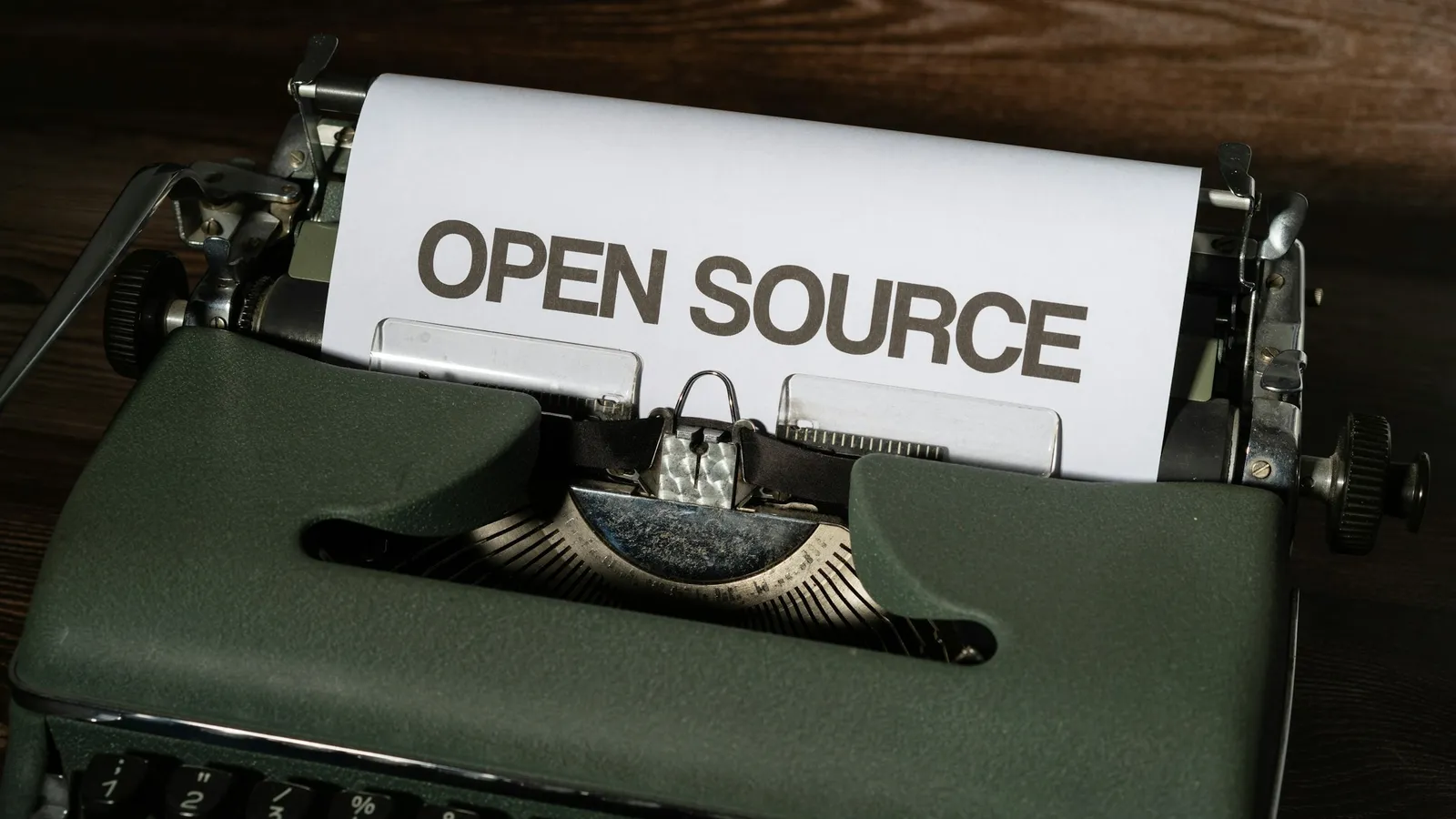
GNU GPL. The GPL version 3 text is designed so that you can run, study, change and share the software, and it says you may charge any price or no price for copies. If you distribute a modified version, you must license the whole work under the GPL. This is why NCERT says the same rights are preserved in derivative works.
Apache License 2.0. The Apache licence grants a free, worldwide copyright licence to reproduce, modify and distribute the work. When you redistribute it, you must include a copy of the licence, mark files you changed and keep the original copyright and attribution notices. Unlike the GPL, it does not require your whole project to use the same licence.
Creative Commons. Used for creative works rather than code. Creative Commons builds licences from elements: BY (credit the creator), SA (share adaptations under the same terms), NC (non-commercial use only) and ND (no adaptations). CC BY allows commercial use with credit; CC BY-NC does not allow commercial use.
Worked example: checking a Class 12 project
Riya is building a Python and MySQL app that tracks library books, to submit as her school project and later share free on a website. She wants to reuse four things:
A charting module released under Apache 2.0. Allowed. She must keep the licence and notices with the module and mark any file she changes.
A GPL-licensed barcode library. Allowed for her own use. If she distributes the app with it, the whole app must be released under the GPL. Since she plans to share it free, that is workable, but she must choose this knowingly.
A background photo marked CC BY-NC. Allowed for a school project and a free website, as long as she credits the photographer. She cannot later use it in an app she sells.
A famous publisher's logo on her home screen. Not allowed. A logo is a trademark, and using it suggests a link that does not exist. She should design her own.
Finally, she lists every source in her project report. That handles plagiarism, which the licences alone do not.
Common mistakes in answers
Saying copyright must be registered. NCERT states it is automatic.
Calling all free software "open source". NCERT contrasts GPL with freeware such as Adobe Acrobat Reader, which can be copied for personal use but not redistributed commercially.
Treating "I gave credit" as permission. Credit avoids plagiarism; it does not create a licence.
Mixing up NC and ND. NC limits commercial use; ND forbids changing the work.
For the rest of this unit, including phishing and the IT Act, see our guide to cyber safety in CBSE computer science.
A short revision routine
Make one flash card per term: copyright, patent, trademark, plagiarism, infringement, GPL, Apache, CC BY, NC, ND, SA.
For each, write one example from your own life, such as a song, a phone design or an app logo.
Pick three things in your project and write the licence and the condition for each.
If a term still feels hazy, Fermi's AI tutor can work out what you already know and build a plan for the session, so you revise the gaps rather than the whole chapter.
Before your next project review, open each third-party file you used and write its licence beside it in your report.