

On this page
Forest and Wildlife Resources is Chapter 2 of Contemporary India II, the NCERT Class 10 Geography book. It covers three big ideas: how forests are classified, why Project Tiger began, and how communities protect forests. Read the NCERT chapter itself once; every fact below comes from it unless another source is linked.
Is the chapter in the CBSE Class 10 syllabus for 2026-27?
Yes. The CBSE Social Science curriculum for 2026-27 lists it as Geography Chapter 2, in a Geography section worth 20 marks including map pointing. Its learning outcomes ask why forests and wildlife need conserving and how grazing, wood cutting and development works have affected forests.
What are reserved, protected and unclassed forests?
NCERT sorts forests by ownership and management; much of India's forest is owned or managed by the government through the Forest Department or other government departments (NCERT, Chapter 2).
Reserved forests: more than half of the total forest land, regarded as the most valuable for conserving forests and wildlife.
Protected forests: almost one-third of the total forest area, declared by the Forest Department and protected from any further depletion.
Unclassed forests: other forests and wastelands belonging to both government and private individuals and communities.
Reserved and protected forests together form the permanent forest estates, kept for timber, other forest produce and protective reasons. Madhya Pradesh has the largest area under them, 75 per cent of its forest area. The North-eastern states and parts of Gujarat have most of their forests unclassed and managed by local communities.
Why was Project Tiger started in 1973?
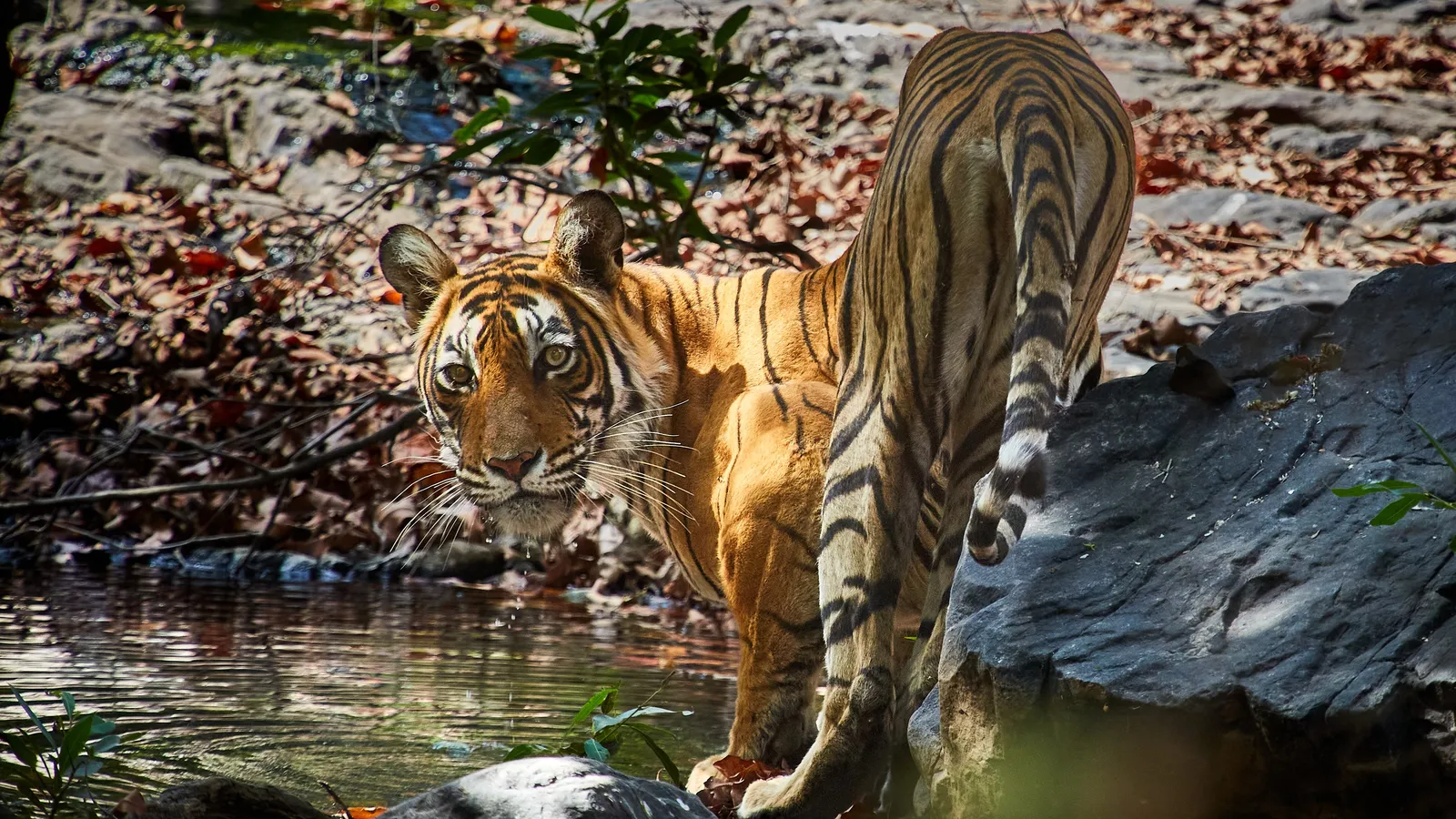
By 1973, India's tiger population had fallen to 1,827 from an estimated 55,000 at the turn of the century, according to the NCERT chapter. It blames poaching, shrinking habitat, loss of prey, a growing human population and trade in tiger skins and bones for traditional medicines. Project Tiger followed in 1973, a year after the Indian Wildlife (Protection) Act of 1972. It aimed to save an endangered species and, with equal importance, to preserve large stretches of habitat. NCERT's example reserves are Corbett (Uttarakhand), Sunderbans (West Bengal), Bandhavgarh (Madhya Pradesh), Sariska (Rajasthan), Manas (Assam) and Periyar (Kerala).
The Status of Tigers 2022 summary report from the National Tiger Conservation Authority and the Wildlife Institute of India gives later estimates: 1,411 tigers in 2006, 2,967 in 2018 and a minimum of 3,167 in 2022. They come from country-wide monitoring that began in 2006, so do not compare them with NCERT's 1973 figure. Project Tiger began with nine tiger reserves, the same report notes; the NTCA list of tiger reserves now has 58. For the survey methods, read how tigers are counted from pug marks and scat; for why one big cat protects a whole forest, see flagship and umbrella species.
How have communities conserved forests and wildlife in India?
The NCERT chapter gives these examples; learn each with its place:
Sariska Tiger Reserve, Rajasthan: villagers fought mining by citing the Wildlife Protection Act.
Bhairodev Dakav Sonchuri: five villages in Alwar district declared 1,200 hectares of forest protected, with their own rules banning hunting.
Chipko movement, Himalayas: resisted deforestation and showed that community afforestation with indigenous species can succeed.
Beej Bachao Andolan (Tehri) and Navdanya: showed diversified crops can be grown without synthetic chemicals.
Joint forest management: in place since 1988, when Odisha passed the first resolution; villages protect degraded forest land and share its produce.
Sacred groves and Bishnoi villages: forest patches left untouched by belief, and villages where nobody harms the blackbuck, nilgai and peacocks.
How do you write the 120-word answer on community conservation?
NCERT's exercise 4(i) asks how communities have conserved and protected forests and wildlife. Use a simple frame: one line on why communities care, three or more named examples each with a place and an action, and one closing line.
Model answer:
In India, forests are home to traditional communities, who protect them because their livelihood depends on them. In Sariska Tiger Reserve, Rajasthan, villagers fought mining by citing the Wildlife Protection Act. Five villages in Alwar district declared 1,200 hectares of forest as the Bhairodev Dakav Sonchuri, with their own rules banning hunting. The Chipko movement in the Himalayas resisted deforestation and showed that community afforestation with indigenous species can succeed. Sacred groves survive because local people leave them untouched. Since 1988, joint forest management has let village institutions restore degraded forests in return for a share of forest produce. The lesson is that local communities must be part of natural resource management.
If an idea under the chapter, such as biodiversity or a food web, still feels shaky, the Fermi Concept Library has a lesson for every concept in biology, so you can fix it before you write.
Next, mark Corbett, Sariska, Manas and Periyar on a blank map, and fit that practice into our weekly plan for Class 10 geography map work.


