On this page
The last month before JEE feels like the time to do everything. It is actually the time to do fewer things, better. You will not cover new ground in four weeks, but you can turn what you know into marks.
What should you prioritise in the final month?
Three things matter most:
Full mocks under real conditions. The point is to rehearse the exam, including time, order and nerves.
Retrieval, not rereading. A large review by Dunlosky and colleagues (2013) rated practice testing and spaced practice as high-utility study techniques and rereading and highlighting as low utility. Close the notes and test yourself.
Fixing repeated errors. Your mock analyses already tell you which slips keep costing marks.
What should you stop doing?
Starting new chapters or new books. A new source in the last month rarely pays off in the time left. If a chapter is still weak, aim for its standard questions, not full coverage.
Rereading notes cover to cover. It feels productive and gives little back.
Comparing mock scores online. Different test series have different difficulty. Compare yourself with your own last mock.
Late nights. Our post on sleep before an exam explains what research shows about sleep and memory.
The week-by-week plan
Week 4 (28 to 22 days out): find the last gaps
Two full mocks this week, each followed by a 60-minute review using our mock test analysis routine.
From those reviews, pick the three topics that cost you the most marks. Spend focused sessions on each, ending with mixed questions, not reading.
Start a one-page formula and method sheet per subject.
Week 3 (21 to 15 days out): previous-year papers
Do two or three previous-year papers under timed conditions. NTA posts JEE Main question papers on the JEE Main website, and the JEE Advanced website hosts its recent papers. Our post on using previous-year papers explains how to analyse them without memorising answers.
Keep revisiting the three weak topics from week 4, now spaced every two to three days.
Practise your time plan: a two-pass attempt and a fixed skip rule.
Week 2 (14 to 8 days out): rehearse the day
Two full mocks, each at the same time of day as your real exam. In 2026, JEE Main shifts ran 9 am to 12 noon and 3 pm to 6 pm (bulletin), and JEE Advanced Paper 1 ran 9 am to 12 noon with Paper 2 from 2:30 pm to 5:30 pm (brochure). Check your own admit card for the actual timing.
Daily 20-minute retrieval: close your sheets and write formulas and key methods from memory, then check.
Read your error log rules before each mock.
Week 1 (the last 7 days): consolidate and rest
One light mock early in the week, or sectional tests only. No full mock in the last two to three days.
Short retrieval sessions on your formula sheets and error log, two or three a day.
Prepare logistics: admit card, ID, route to the centre, what you are and are not allowed to carry. The official bulletin lists these rules; read them now, not on the morning.
Keep a normal sleep and meal routine. If exercise is already part of your week, keep it.
What if a mock goes badly this month?
It will happen, and it tells you less than it feels like it does. One mock is a noisy sample. Review it with the same routine, pick one fix, and do the next one.
A daily shape for weeks 3 and 2
Morning, at exam time: a full mock or a 90-minute timed mixed set.
Late morning: review and error log.
Afternoon: two focused sessions on weak topics, each ending with questions.
Evening: 20 minutes of retrieval on formulas, then stop at a fixed time.
If you are planning this month for JEE Main or Advanced and want structure, Fermi Testprep offers adaptive mocks, live classes and a study plan that updates based on mastery.
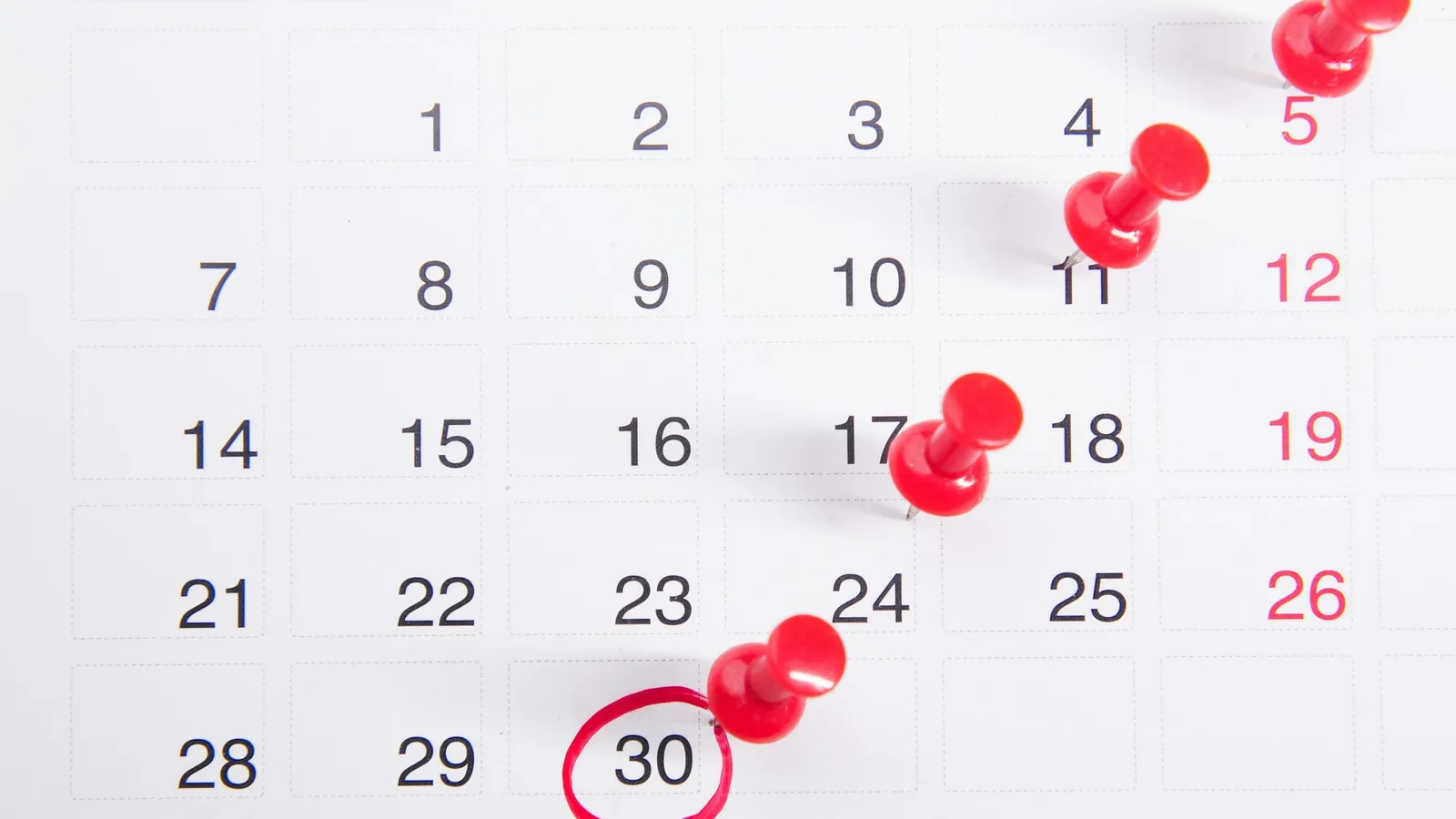
Next step: count the days to your exam, write the four week labels on a calendar, and schedule your first two full mocks now.