

On this page
If you are starting Class 12 history, the first chapter, "Bricks, Beads and Bones: The Harappan Civilisation", is less about memorising cities than about method: how do we know anything about people whose script nobody can read? This guide covers food, crafts, seals and interpretation using the textbook's own facts, then gives you an answer frame you can use again.
Every fact below comes from NCERT's Themes in Indian History Part I, Theme One (reprint 2026-27). Check your school's current syllabus for what will be assessed.
What does Bricks, Beads and Bones cover?
The chapter dates the civilisation from 6000 BCE to 1300 BCE, with the Mature Harappan urban phase from 2600 BCE to 1900 BCE, according to NCERT's Theme One. More than 2000 Harappan sites have been found in the subcontinent. If you last met Harappa in Class 6, our Class 6 guide to Harappan cities, drains and seals is a quick refresher. Class 12 asks for more: the evidence behind each claim.
What did the Harappans eat, and how do we know?
Archaeo-botanists, specialists in ancient plant remains, reconstruct diet from charred grains and seeds, as NCERT explains. Grains found include wheat, barley, lentil, chickpea and sesame. Millets come from sites in Gujarat, and rice is relatively rare. Animal bones include cattle, sheep, goat, buffalo and pig, which were domesticated, and wild boar, deer and gharial.
Farming methods are harder to prove. Bulls on seals and in terracotta suggest oxen pulled ploughs, and terracotta plough models come from Cholistan and Banawali. At Kalibangan, a ploughed field from Early Harappan levels had two sets of furrows at right angles, which suggests two crops grown together. Traces of canals have been found at Shortughai in Afghanistan, but not in Punjab or Sind.
How do archaeologists identify a craft production centre?
Chanhudaro is the textbook's main example: a settlement of less than 7 hectares, compared with 125 hectares at Mohenjodaro, almost entirely given over to bead-making, shell-cutting, metal-working, seal-making and weight-making, per NCERT's Theme One.
To spot a production centre, archaeologists look for:
raw material such as stone nodules, whole shells or copper ore
tools, such as the specialised drills found at Chanhudaro, Lothal and Dholavira
unfinished objects
rejects and waste, which the textbook calls one of the best indicators of craft work
Tiny bits of waste in work areas suggest that crafts were also made in large cities such as Mohenjodaro and Harappa.
What were Harappan seals and weights used for?
Seals protected goods on the move: a bag's knot was covered with wet clay and stamped, and an unbroken sealing meant nobody had tampered with it, says NCERT.
The Harappan script is still undeciphered. It had between 375 and 400 signs, too many to be alphabetical, according to the same chapter. Most inscriptions are short, the longest about 26 signs, and the script ran from right to left.
Weights were usually unmarked cubes of a stone called chert. Lower denominations were binary (1, 2, 4, 8, 16, 32) and higher ones decimal (160, 200, 320, 640).
How are archaeological finds interpreted?
This is the chapter's real subject. Three cases in Theme One show interpretation at work:
Analogy. Ernest Mackay compared saddle querns with present-day grinding stones, and his workmen called one type "curry stones".
Context. The Great Bath is read as a special ritual bath because of its unusual structure and where it was found: on the Citadel, among other distinctive buildings.
Revision. R.E.M. Wheeler argued in 1947 that skeletons at Mohenjodaro showed a massacre. In the 1960s George Dales showed that the skeletons did not all belong to the same period.
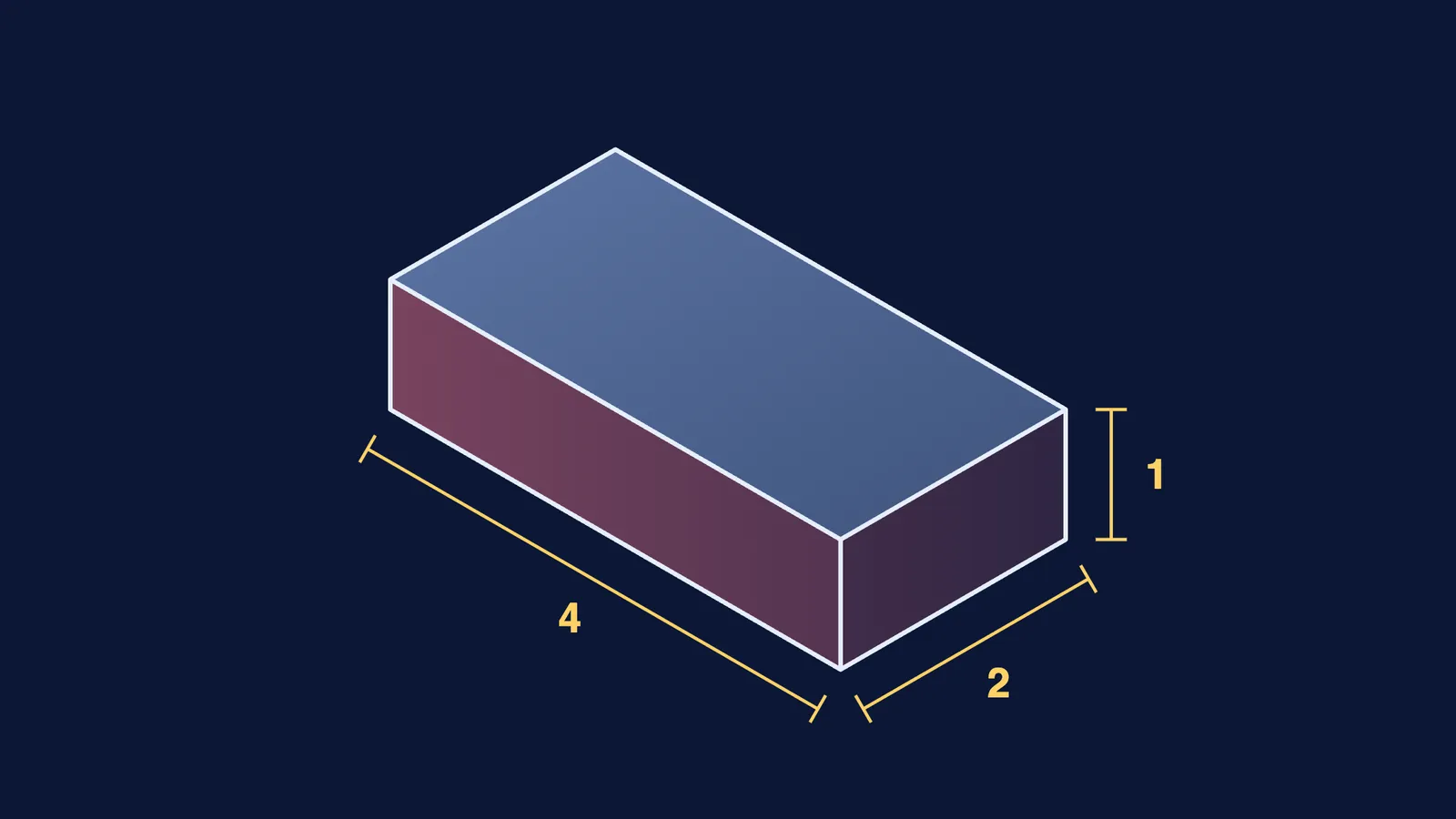
Bricks are evidence too. Sun-dried or baked, they followed a standard ratio in which the length was four times and the breadth twice the height, from Jammu to Gujarat. Some scholars take this, with similar artefacts and planned settlements, as a sign of a single state (NCERT).
How do I write an answer on interpreting Harappan finds?
Use a four-step frame:
Find: name the object or trace.
Context: say where it was found and what was with it.
Reasoning: give the analogy, experiment or pattern that links the find to a claim.
Limit: say what we still do not know.
Worked example for "How do we know Chanhudaro was a craft centre?". Find: specialised drills. Context: a settlement of under 7 hectares given over to crafts, unlike a city. Reasoning: cut shell or stone leaves waste where the work happens, so tools plus waste mark a workshop. Limit: Mohenjodaro and Harappa made crafts too, so Chanhudaro was specialised, not unique.
The same frame works for source passages; see our guide to answering case-based questions in CBSE board exams. For the end of the civilisation, where several causes compete, try a cause-and-effect chart for a history chapter.
If you are fitting history revision around science subjects, Fermi's AI tutor can work out what you already know and build a plan for the session, so each sitting starts with a clear next step.


