On this page
If you are vegetarian, Jain, eggless or allergic to something, a hostel mess can feel built for someone else. The fix is four habits: telling the mess clearly, adding the right things to the plate you already get, keeping a few safe staples in your room, and not skipping meals when study gets busy.
How do you talk to the mess about a special diet?
Go early in the term, at a quiet hour rather than the lunch rush, and be specific. “I'm Jain” or “I can't have peanuts” needs detail, because the cook has to know which dishes and which tadka to watch.
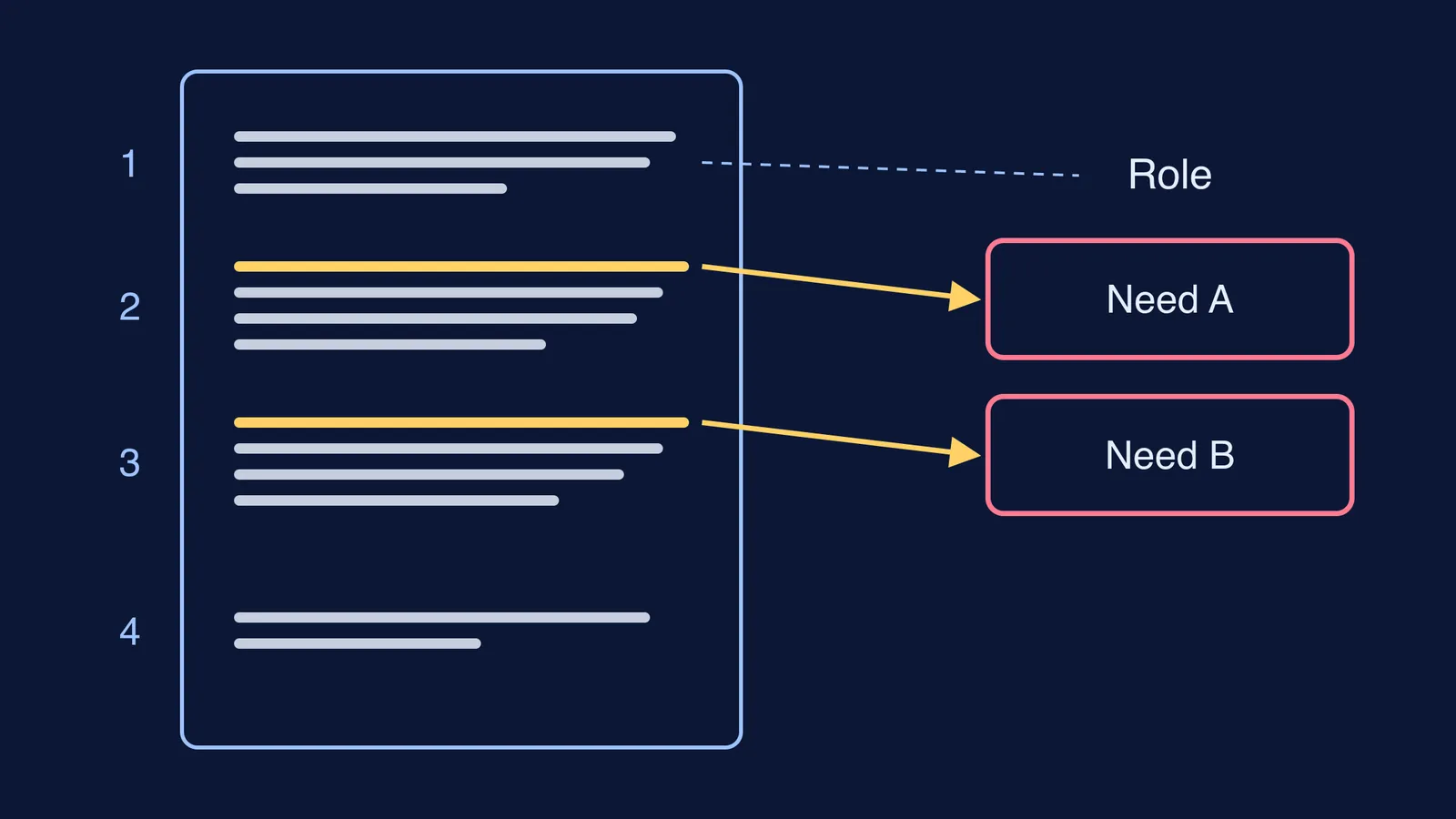
A script you can use, in English or Hindi:
“Namaste, I'm in room 214. I don't eat onion, garlic or root vegetables.” (Or: “I'm allergic to peanuts, so even a little in the masala is a problem.”)
“Could you tell me which items on today's menu have them?”
“Could one katori of dal or sabzi be kept aside before the tadka goes in? I can collect it at 1:05.”
“Thank you. Should I tell the warden or the mess committee too?”
Give the same request in writing, with your name and room number, to the warden. If a doctor has diagnosed an allergy or a condition that needs a set diet, share the doctor's note and ask the doctor what to do if you eat the wrong thing; medical questions belong with them, not the mess. If the problem is bigger than your plate, raise it through the mess committee.
Can a vegetarian get enough protein from mess food?
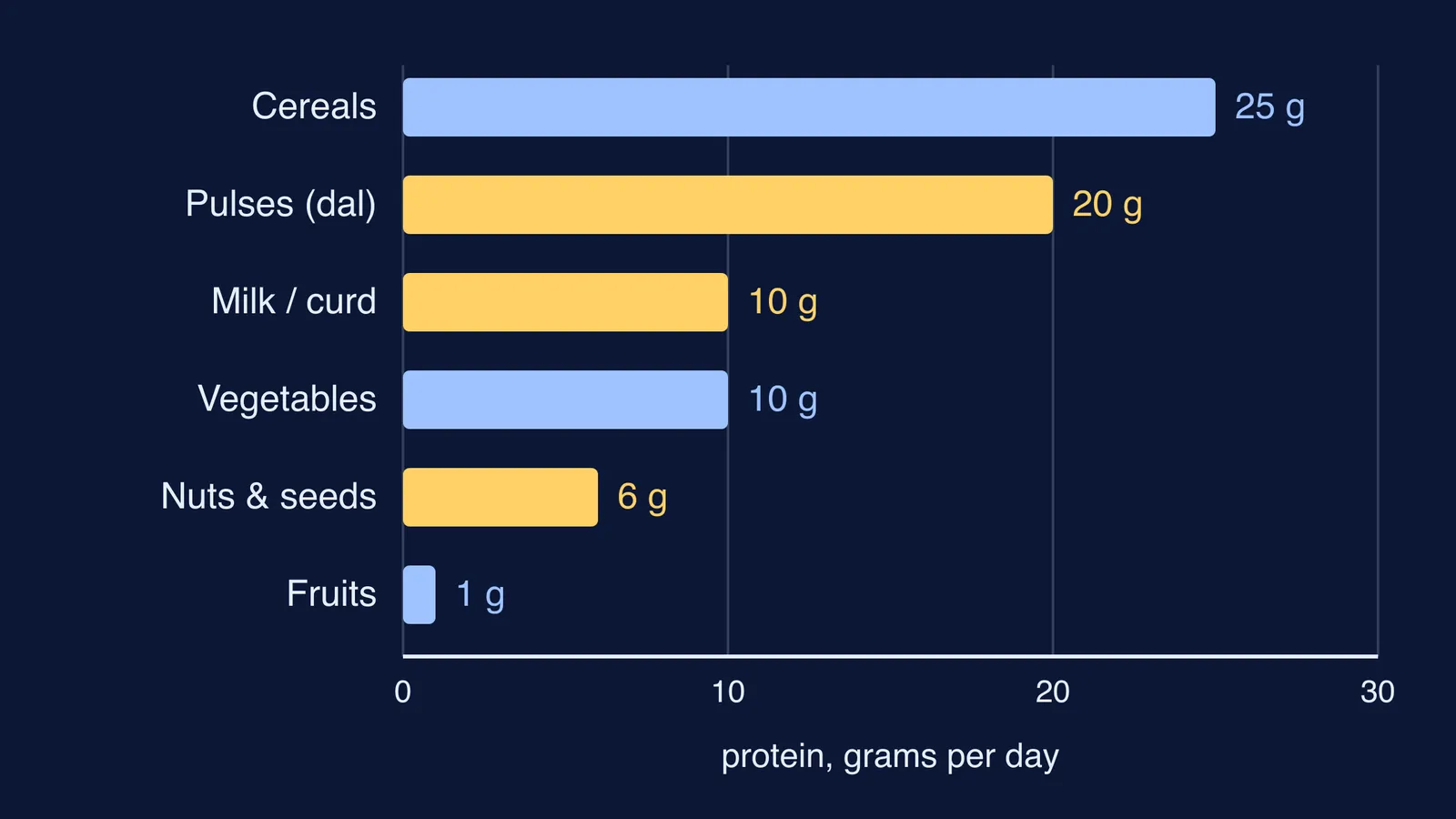
Usually yes, if you take the dal and the curd seriously. The ICMR-National Institute of Nutrition's Dietary Guidelines for Indians (2024) say vegetarians can meet their quality protein needs by eating the recommended amounts of pulses, beans, peas and milk or curd. The same guidelines say that combining cereals with pulses in a 3:1 ratio (by raw weight) improves the quality of protein in a meal; roti or rice with dal is that pairing.
For a 2,000 kcal vegetarian day, the guidelines' “My Plate for the Day” lists 85 g of pulses, 300 ml of milk or curd and 35 g of nuts and seeds, by raw weight. In that plan, pulses supply about 20 g of the roughly 72 g of daily protein, second only to cereals at about 25 g.
Here is a worked example. Say you are Jain, and lunch is rice, roti, thin dal, aloo sabzi and pickle. The potato and the onion-garlic tadka are out. Rebuild the plate:
Ask for a second katori of dal, set aside before tempering.
Take curd or buttermilk; if the mess has none, have milk at breakfast or night.
Eat a handful of peanuts or other nuts in the evening. In the ICMR-NIN plan, the 35 g daily portion of nuts and seeds adds about 6 g of protein.
What staples are safe to carry to the hostel?
Pick things that need no fridge and no cooking: roasted chana, peanuts, makhana, and a pickle or chutney you trust. Check your hostel's rules on food and kettles first.
Read every packet. Under FSSAI's Labelling and Display Regulations, 2020, vegetarian packaged food carries a green filled circle inside a green square, and non-vegetarian food a brown filled triangle inside a brown square. The same rules require packaged food to declare common allergens, including gluten cereals, milk, egg, nuts and soy, on a “Contains” line, and allow a “May contain” line for cross-contamination. Raw agricultural commodities are exempt from the allergen labelling rules, so if an allergy matters, ask the seller about anything sold loose or unprocessed.
If the menu itself is the problem, see options when mess food is not good and simple hostel meals you can learn to cook.
How do you eat regularly when study takes over?
A special diet often slips through skipped meals: the one meal that suits you is at 1 pm, during a class or a study session. The ICMR-NIN sample menus for adults spread eating across the day, with breakfast at 8 to 10 am, lunch at 1 to 2 pm, an evening drink at 5 pm and dinner at 7 to 8 pm, while noting that the timings are only indicative.
Put mess timings into your timetable as fixed blocks, like a test. Keep one snack in your bag for late classes. If study keeps pushing meals aside, shorten the session instead of the meal: Fermi's AI tutor works out what you already know and builds a plan for the session, so a short slot between lunch and evening class goes to the right topic.
If eating has become stressful or you feel low, you can call Tele MANAS, the government's toll-free mental health helpline, on 14416.