

On this page
Exam morning is stressful enough without being stopped at the gate because of your shoes. The National Testing Agency (NTA) enforces strict dress codes for its entrance exams, especially NEET, to prevent malpractice and keep the frisking process moving smoothly.
While the rules can feel restrictive, they are predictable. Knowing exactly what to wear saves you time and keeps your focus where it belongs: on the paper.
Why do entrance exams have a dress code?
NTA exams cater to a huge number of students across the country. To secure the process and prevent devices or notes from being smuggled into the exam hall, the security check uses metal detectors and thorough physical frisking.
The dress code is designed to eliminate hiding spots. Bulky clothes, heavy shoes, and metallic accessories slow down the line and trigger the detectors. By standardising what you can wear, the NTA ensures everyone gets into the hall quickly and safely. When many students need to be checked in a short window, even a few delays caused by complex clothing can hold up the entire queue.
What to wear for entrance exams?
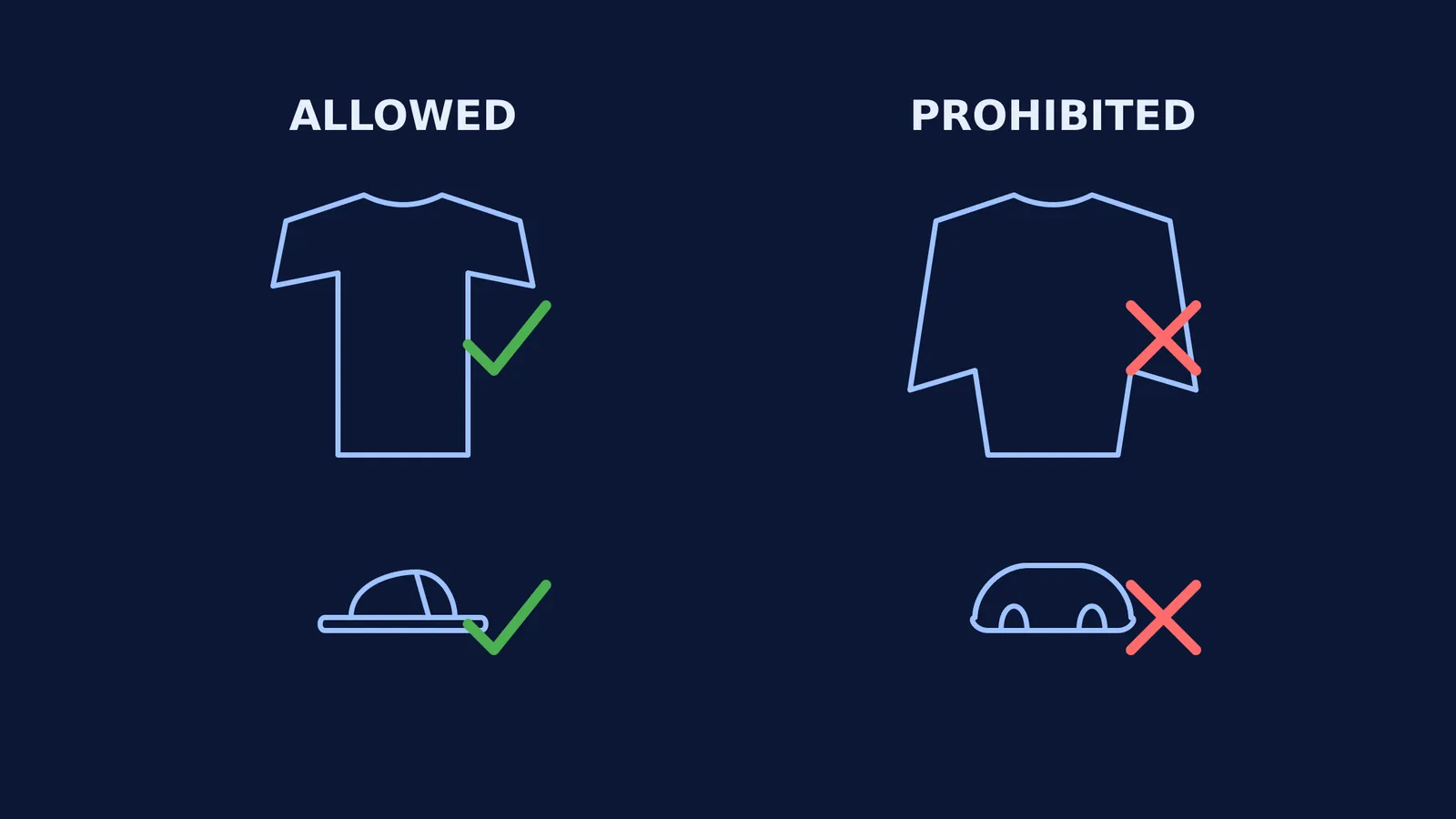
For both NEET and JEE Main, simplicity is the rule. The official NEET dress code guidelines specify that both male and female candidates must wear light-coloured, half-sleeve shirts or T-shirts. Full sleeves are strictly prohibited.
You should wear simple trousers, a plain salwar, or plain jeans. Avoid any clothes with large buttons, heavy embroidery, sequins, brooches, or multiple zip pockets. For female candidates, items like heavily printed jeans, palazzos, and long kurtis are generally not permitted. The goal is to wear the most basic, uncomplicated clothing you own.
If you are revising the night before and need a clear explanation without a screen full of distractions, Fermi's AI tutor works out what you already know and builds a plan for the session, so you sit down to a clear next step. Then, lay out your simple outfit before you sleep so you do not have to think about it in the morning.
Can you wear shoes for entrance exams?
No, you cannot wear closed footwear. Shoes, boots, and any closed styles are generally banned, especially for NEET. You must wear open-toed slippers or sandals with low heels and thin soles. The JEE Main dress code also strongly advises against shoes and thick soles to speed up security checks. If you wear shoes, the center officials may ask you to remove them and leave them outside, which can be an unnecessary distraction.
All metallic items are strictly barred. This means no earrings, rings, nose pins, necklaces, bracelets, or belts with metal buckles. Even metallic hairpins, hair bands, or underwired garments can cause delays at the metal detector. It is best to leave all jewellery and watches at home.
How to avoid frisking delays on exam day
Arriving early is the best way to handle frisking. If you wear customary or religious attire, the rules do accommodate you. For example, Sikh candidates are permitted to wear a Kara and Kirpan. Students wearing a hijab, burqa, or turban are also allowed to do so.
However, the official NEET dress code guidelines state that candidates wearing customary dress must report to the exam center at least one hour early. For an afternoon shift, this often means arriving by 12:30 PM. This extra hour gives the staff enough time to complete the security checks thoroughly and respectfully without making you late for the exam.
Good time management in the exam hall starts before you even enter. Knowing you are dressed correctly reduces anxiety, which research shows is critical for performance—much like getting enough sleep before an exam beats an all-nighter.
A checklist for the morning of the exam
To keep the morning calm and predictable for the whole family during exam season at home, run through this checklist before leaving the house:
Clothing: Half-sleeve T-shirt or simple top, plain trousers, no large buttons or zip pockets.
Footwear: Slippers or open sandals with thin soles (no shoes or socks).
Accessories: No jewellery, watches, belts, or metallic hairbands. Leave them with your parents.
Documents: Admit card with your photo pasted, an extra passport-size photo, and your original valid ID proof.
Medical exceptions: If you have diabetes, you can carry a transparent water bottle, sugar tablets, and fruits like a banana or apple.
Stationery: Do not bring pens, pencils, or geometry boxes unless explicitly asked to do so, as the NTA usually provides a pen inside the hall.
By dressing exactly to the NTA's requirements, you clear the security check with ease and step into the hall ready to focus entirely on your paper.


