On this page
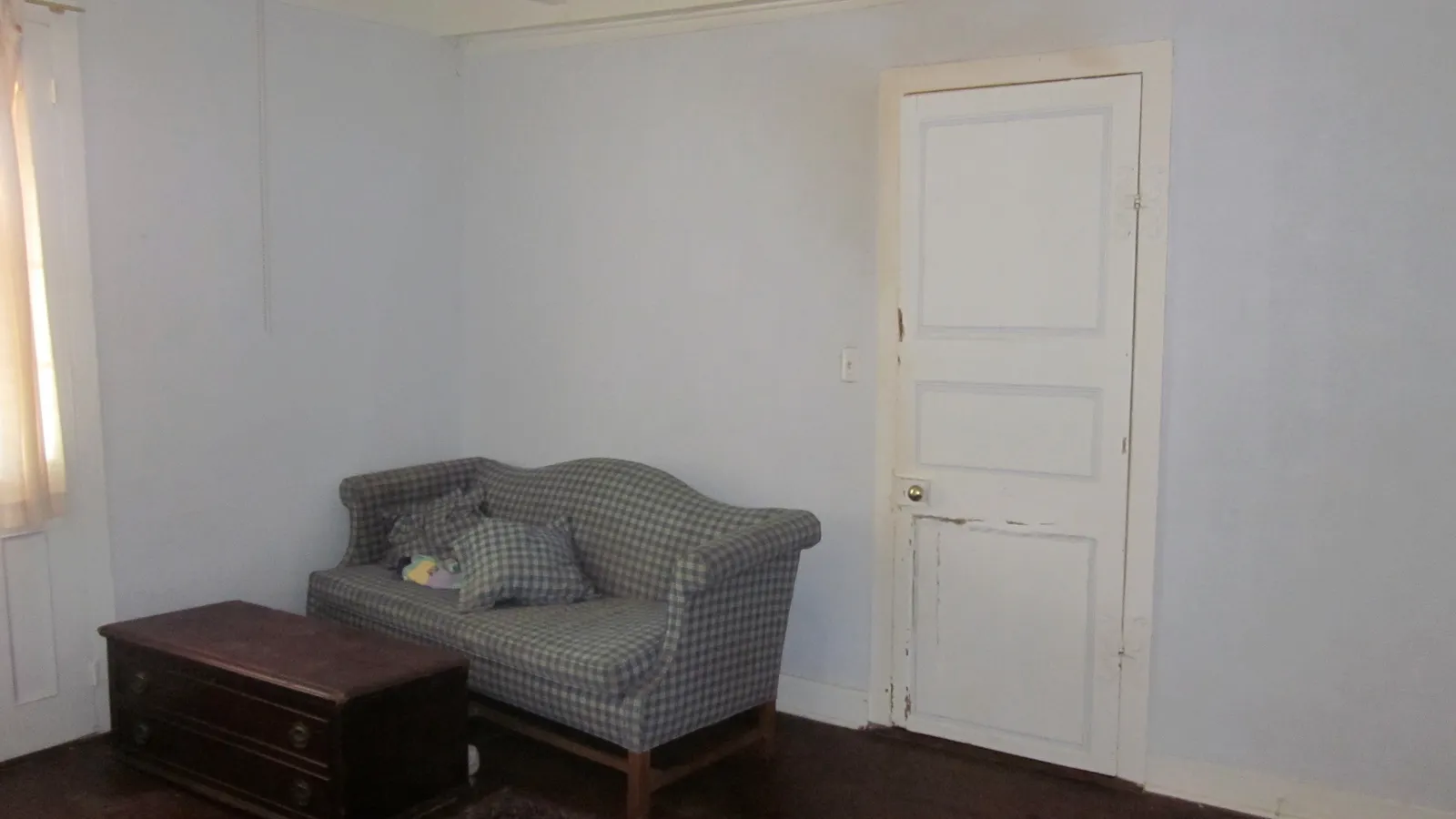
Your child used to study at the dining table. Now the bedroom door is shut from the moment they get home. For most families this is a phase of growing up, not a warning sign. What helps is a few clear door rules, and knowing the signs that mean it is time to talk.
Why does my teenager keep their bedroom door closed?
Teenagers are working out who they are apart from their parents, and a room of their own, even half a shared room, is where that happens. They change clothes, call friends, rest, and sometimes study better away from the noise of the house. Researchers who followed 309 adolescents and their parents over time described the problem plainly: adolescents' changing roles "require adjustments to expectations about family boundaries" (Hawk and colleagues, Journal of Family Psychology, 2009).
In many Indian homes there is no private room at all. A teen sharing with a sibling or grandparent may use headphones or a curtain instead. It is the same request for a little space.
Does a closed door mean my teen is hiding something?
Usually not, and checking up on them can make it worse. In a three-year study of 497 Dutch adolescents, who were about 13 at the start, and both their parents, higher privacy invasion as reported by the teens predicted lower parental knowledge a year later. For mothers, this was partly because the teens became more secretive (Hawk and colleagues, Developmental Psychology, 2013).
An earlier Swedish study of 1,186 fourteen-year-olds found that children's own willingness to tell their parents things explained more of the link between parental knowledge and how well teens were doing than parents' tracking and surveillance did (Kerr and Stattin, Developmental Psychology, 2000). So the thing most worth protecting is your teen's willingness to talk. For more on where to draw the lines, see our guide on how much privacy to give a teenager.
What are fair knock rules for a teen's room?
Agree the rules together, once, when nobody is upset. Five usually cover it:
Knock and wait for an answer before opening the door.
Say why you have come: "Dinner in ten minutes" or "Can I take the iron?"
If there is no answer, knock again and call their name before opening.
Agree a few open-door times, for example meals, or when guests are visiting.
Agree one exception both of you accept: if you are worried about their safety, you will knock, say so and come in.
A script for agreeing them:
You: "I've noticed you like the door closed. That's fine, you're old enough to need your own space."
You: "I'll always knock and wait. Can you answer when I do, and come out for dinner?"
You: "The one thing I'll keep is this: if I'm ever worried you're not okay, I'll knock, tell you, and come in. Is that fair?"
Unsure whether real work happens behind the door? See how to know your teen is really studying without hovering.
When is a closed door worth a gentle check-in?
The door itself is not the signal. Look for a change in the whole child. The US National Institute of Mental Health lists signs of depression in teens that include withdrawing from friends and family, losing interest in activities they used to enjoy, being easily frustrated or angry, dropping grades, and changes in eating or sleeping (NIMH, Teen Depression). NIMH encourages a teen to talk to a trusted adult if they have been feeling sad most of the time for a few weeks or longer.
This is common: globally, one in seven 10 to 19-year-olds experiences a mental disorder, according to the World Health Organization.
A quick check:
Door closed, but they eat with you, see friends and chat sometimes: normal privacy.
Door closed, and several of the signs above have lasted a few weeks: time for a gentle check-in.
Any talk of self-harm or not wanting to live: get help today.
For a check-in, knock and keep it short: "You've seemed low lately and I miss you. I'm not here to lecture. Is something going on?" Then listen more than you speak. If they say nothing, try again later on a drive or a walk. Our guide for when your teenager doesn't talk to you has more low-pressure ways in.
If you are worried, speak to your family doctor or a counsellor. In India, Tele MANAS offers 24x7 tele-mental health support on the toll-free number 14416 (Ministry of Health and Family Welfare, via PIB).
What if the door is closed because study feels hard?
Sometimes a teen shuts the door because they are stuck on a chapter and would rather nobody saw. If so, Fermi's AI tutor can work out what they already know and build a plan for the session, so they sit down to a clear next step rather than a blank page.
This week, agree the knock rules at a calm moment, and keep your side of them.