On this page
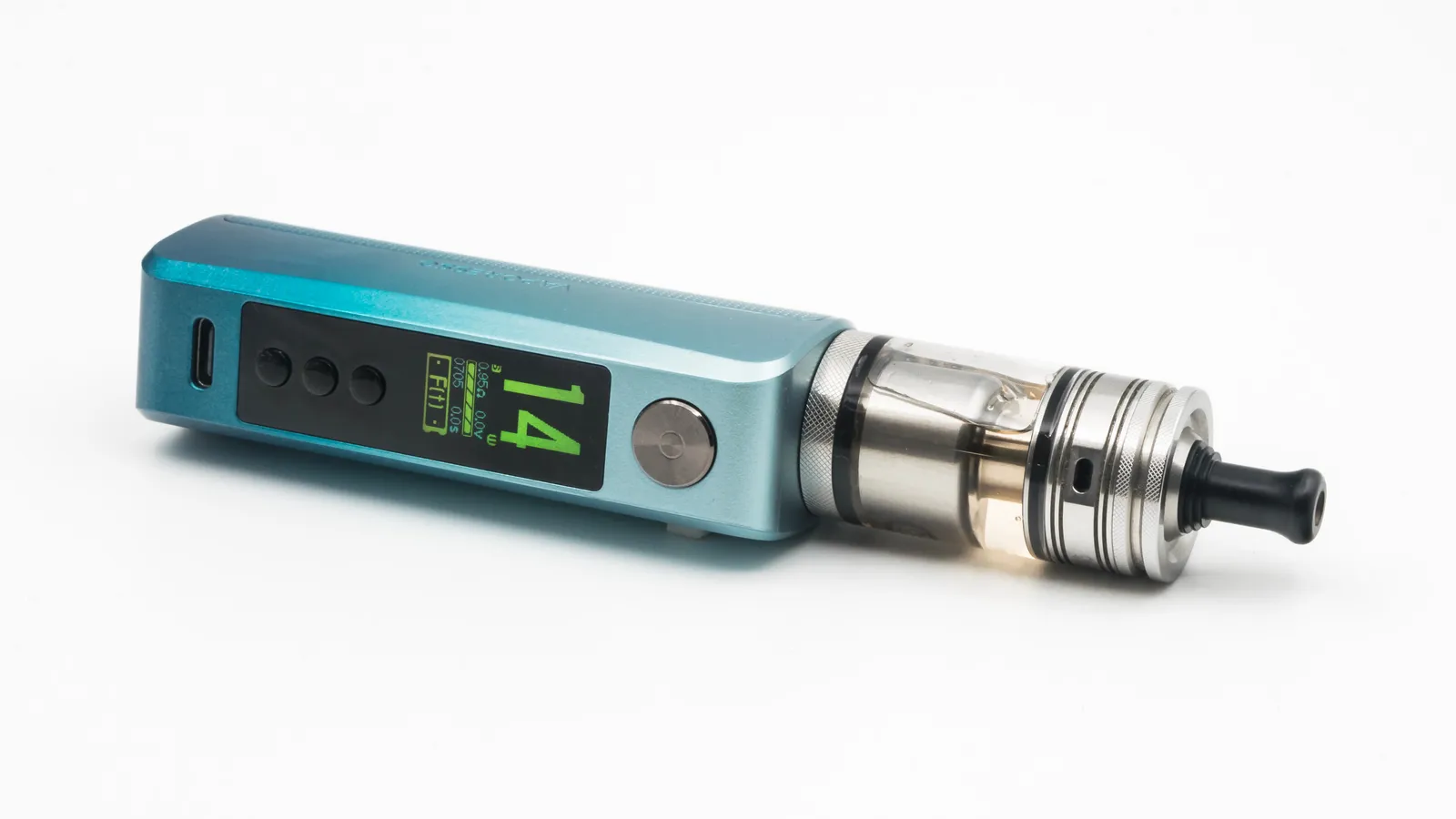
You opened your teenager's bag looking for a tiffin box and found a small device that smells faintly of mango. The first words in your head are probably not the ones that will help. Here is a plan for the next hour, a script for the talk, and a two-week follow-up.
What should you do in the first hour after finding a vape?
Do as little as possible, on purpose. The aim is to get calm, not a confession.
Put the device somewhere out of reach of younger children. The WHO warns that devices may leak and children may swallow the poisonous e-liquid.
Do not send an angry text. Wait until you can speak in a normal voice.
If two parents are involved, agree on one goal and one rule first.
Pick a private time with no deadline, such as a walk after dinner, not ten minutes before tuition.
What do you say to your teenager about vaping?
The CDC's advice to parents is to "be patient and listen" and to remember that "your goal is to have a conversation, not deliver a lecture" (CDC). Here is a script built on that idea; change the words so they sound like you.
Name what you found, without a verdict. "I found this in your bag today. I'm not going to shout. I want to understand what's going on."
Ask, then stop talking. "Is it yours or a friend's? How long have you had it? How often do you use it?" Count to five in your head before you fill a silence.
Listen for the reason. Exam stress, fitting in or curiosity each need a different response.
Say why you care, once. "Nicotine is addictive and your brain is still developing. That's why I'm worried, not because I think you're a bad kid."
State the rule and the next step. "No vaping, and no keeping one for a friend. This one goes. We'll talk again on Sunday about how it's going."
If your teen lies or gets angry, do not try to win tonight. Say "We'll pick this up tomorrow," and leave calmly. Our guide to responding calmly when a teen argues about everything has more lines for that moment.
Is vaping harmful and illegal for teenagers in India?
The WHO says e-cigarettes "are harmful to health and are not safe", and that nicotine use in children and adolescents has negative impacts on brain development (WHO).
The CDC says the brain keeps developing until about age 25, and that nicotine at a young age may make it harder to concentrate, learn or control impulses (CDC).
India's Prohibition of Electronic Cigarettes Act, 2019 bans the production, manufacture, import, export, transport, sale, distribution and advertisement of e-cigarettes, and is deemed to have come into force on 18 September 2019.
This is not legal advice, but the Act's offences are about supplying e-cigarettes and knowingly letting a place be used to store stock, so whoever sold your child that device was breaking the law. Ask where it came from without pushing your child to name friends.
How do you set rules and follow up without a fight?
A rule works when it is short, agreed while everyone is calm, and checked kindly. Here is a two-week plan.
Day 1: One rule and one consequence, both decided now, so nothing gets invented in anger later.
Days 2 to 6: Short check-ins, not interrogations. Notice out loud when things go well.
Day 7: A 15-minute sit-down about what has been hard. The CDC notes that when someone stops nicotine, withdrawal can make the brain irritable (CDC), so a short temper this week may partly be withdrawal rather than defiance.
Day 14: Review the rule together. If it has not held, move to outside help rather than nightly bag searches.
If you are tempted to search their room and phone daily, our piece on what to do when you find your teenager using a secret phone covers the same trade-off between safety and trust.
Talk to younger siblings too. India's fourth Global Youth Tobacco Survey, of students aged 13 to 15, reported median starting ages of 11.5 years for cigarette smoking and 10.5 years for bidi smoking.
Some teens listen more to how nicotine works than to warnings. Our explainer on how tolerance and dependence work at receptors is a good start, and the Fermi Concept Library has a lesson for every concept in biology, so a curious teen can follow the science on their own.
When should you get outside help?
If your teen wants to stop but cannot, call the free National Tobacco Quit Line on 1800 112 356, which offers counselling in regional languages (NTCP, Ministry of Health).
If vaping comes with low mood, panic before exams or any talk of self-harm, call Tele MANAS on 14416, a free 24x7 mental-health helpline (Tele MANAS details).
One calm talk and a plan you both know will do more than one loud evening.