On this page
Why are school stationery budgets so stressful?
Back-to-school shopping is a familiar ritual, but the costs can add up quickly. A 2026 survey by Talker Research found that 70% of parents describe back-to-school shopping as their most financially stressful event of the year.
The pressure to buy brand-new supplies, the latest gadgets, or highly marketed reference books often overshadows what a student actually needs to succeed. You want to give your child the best tools, but buying everything new every single year is simply not sustainable. By stepping back and taking a strategic approach, you can support their education just as effectively while keeping costs down.
Do we really need everything on the school list?
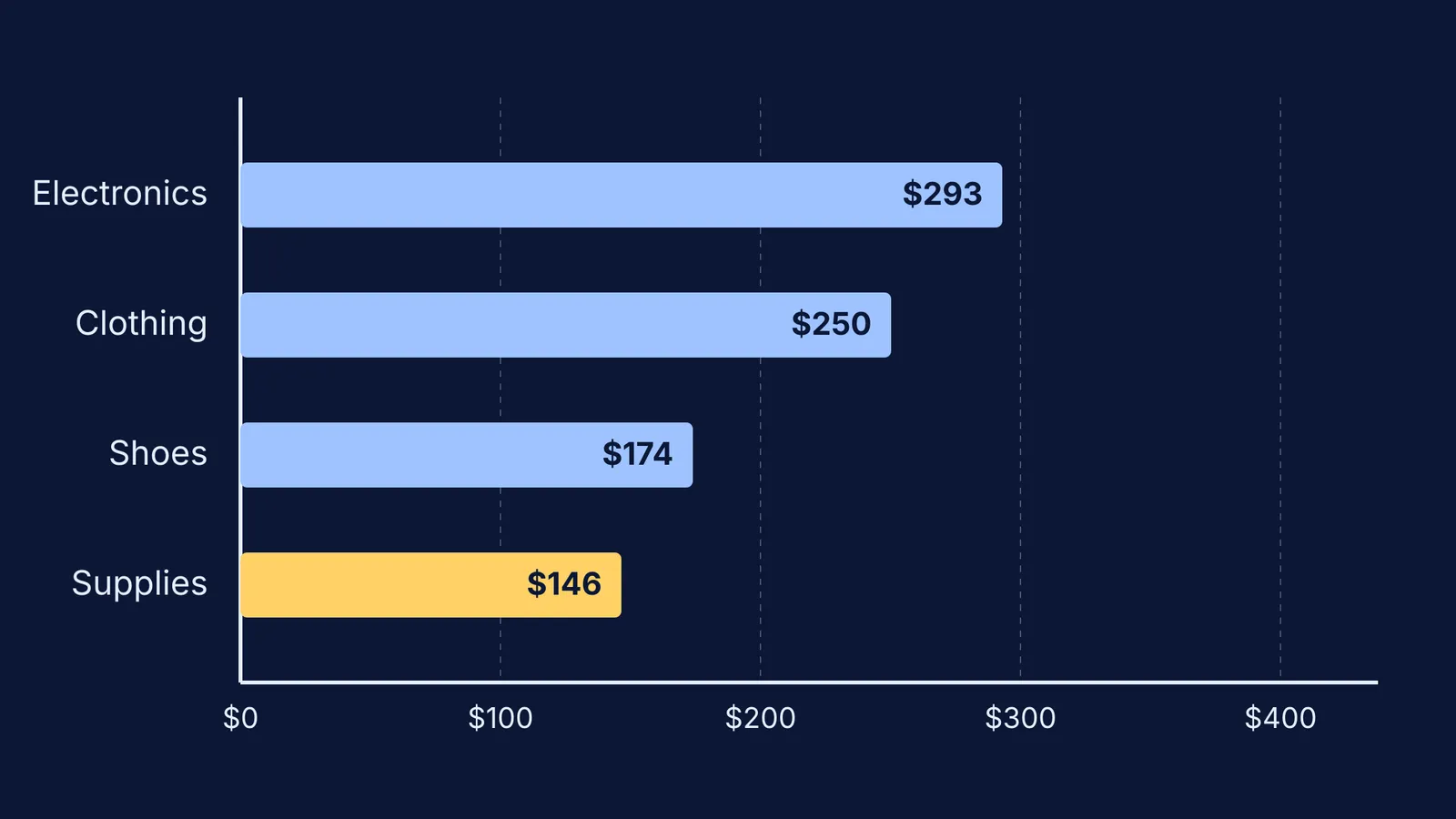
Schools often send out comprehensive lists, but not every item requires an immediate trip to the store. According to the National Retail Federation, back-to-school spending for K-12 students reached an average of $864 per household in 2026, and their past surveys note that 36% of shoppers planned to reuse items they already had at home.
When you look at the school's list, separate the absolute necessities from the generic requests. A specific type of graphing calculator for a senior maths course is a necessity, but generic notebooks, pens, and folders are flexible. Many of these generic items can be sourced from last year's leftover stash.
For items you do need to buy, consider teaming up with other parents. Buying basics like glue sticks, printer paper, or standard pencils in bulk and splitting the cost can significantly reduce the price per item.
The "shop your home" inventory checklist
Before heading to the stationery shop, conduct a supply audit at home. This simple step prevents you from buying duplicates of things you already own, which is one of the easiest ways budgets get out of hand.
Here is a quick checklist for your home inventory:
Binders and folders: Check last year's folders. A scuffed cover can often be cleaned with a damp cloth, and a sturdy binder is easily refreshed with a new set of dividers.
Notebooks: Tear out the used pages from a half-filled composition notebook to make it functional again.
Writing tools: Gather all the stray pens, pencils, and highlighters from around the house. Test the ink, throw away the dry ones, and sharpen the pencils.
Geometry boxes and calculators: These are highly durable items. Unless a child is moving to a higher grade that requires a new scientific calculator, the previous year's tools usually work perfectly.
Backpacks and lunch boxes: Unless the zippers are broken or the fabric is torn, a good wash is often all it takes to make them ready for another year.
If you are setting up a good study space at home, dedicating a specific drawer to these recovered supplies ensures your child always knows where to find a working pen or a spare ruler.
How do you avoid buying fancy extras?
Children are often drawn to branded stationery, novelty pencil case sets, or a stack of expensive supplementary guidebooks they might never open. It is natural for them to want what their peers have, but you can turn this into a practical conversation about value.
If your child wants a premium item, try giving them a fixed cash budget for their stationery. They can choose to spend a large portion of it on one fancy notebook, but they will then have to make do with basic pens and reused folders for the rest of their list. This teaches them how to make trade-offs and understand the value of money.
When it comes to learning materials, avoid the trap of buying multiple expensive reference books just to feel prepared. A stack of untouched textbooks does not build knowledge. Instead, a student can bring a topic or a problem set to Fermi's AI tutor, which works out what they already know and builds a plan for the session. An effective study routine relies on consistent practice and guided problem-solving, not on how much money is spent on extra guides.
By focusing on the essentials, you can help children learn without adding pressure and keep the new school year's budget firmly under control.