On this page
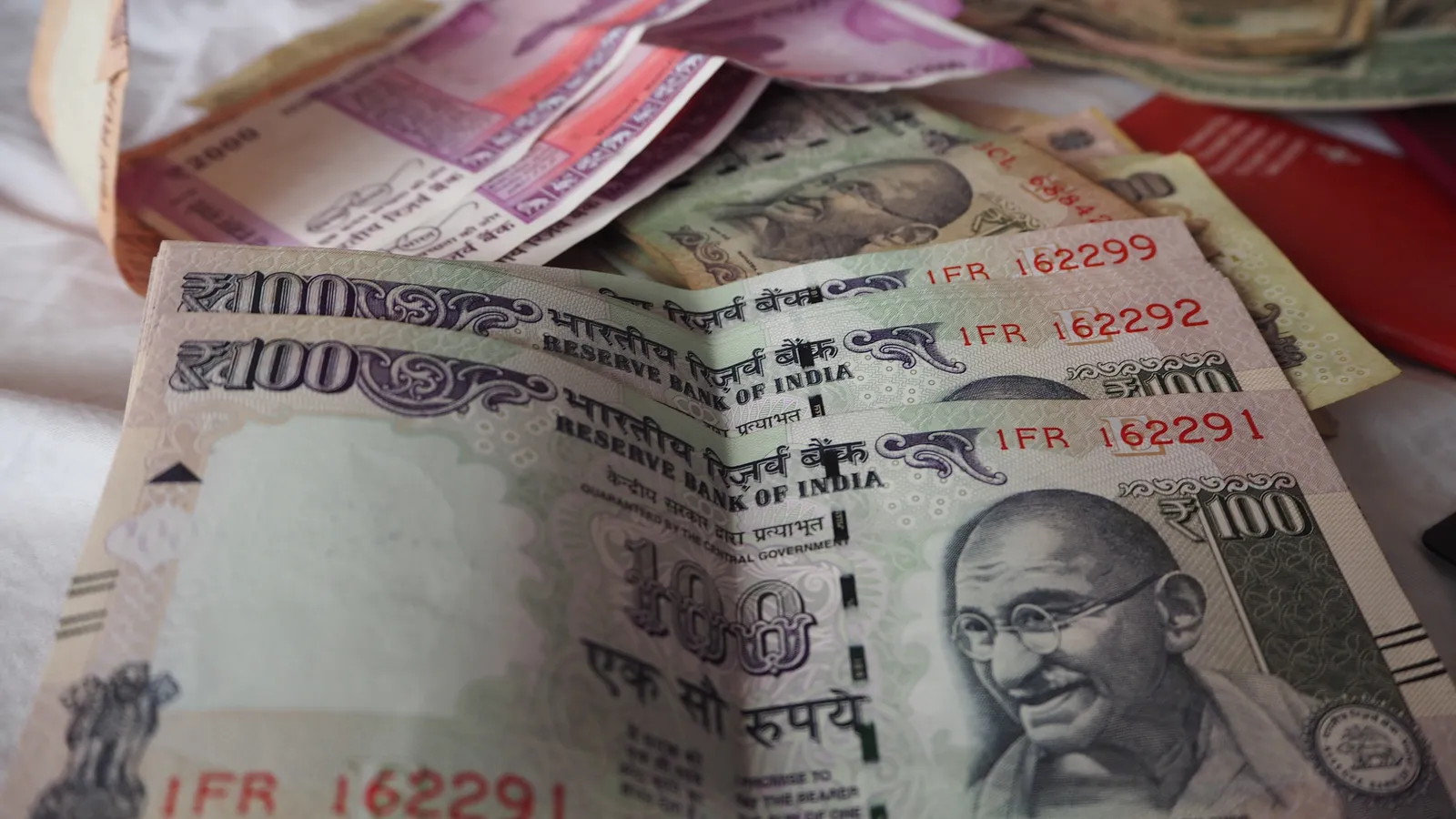
The call often comes after the Class 10 results: the seat is "confirmed", but there is a one-time "development contribution" or "building fund" to pay first, sometimes in cash. In law, a fee and a donation are treated very differently.
Is it legal for a school to ask for a donation for Class 11 admission?
For a CBSE school, the answer is in the board's own rules. Clause 7.1 of the CBSE Affiliation Bye-Laws, 2018 says: "No Society/Trust/Company/School shall charge capitation fee or accept donations for the purpose of admission for pupils." Clauses 7.2 and 7.3 add that admission and all other fees are to be charged only as per the regulations of the appropriate government, under heads prescribed by the state or UT education department.
Section 13 of the RTE Act, 2009 bans capitation fees at admission, with a fine of up to ten times the capitation fee charged. The same Act defines a capitation fee as "any kind of donation or contribution or payment other than the fee notified by the school". But the RTE Act covers children aged six to fourteen and elementary education, which it defines as Class 1 to Class 8. For Class 11, the board's bye-laws and your state's law do the work, on the same idea: if it is not a notified fee, it cannot be a condition of admission.
What is the difference between a lawful fee and a donation?
State laws draw the line clearly. Take Maharashtra's Educational Institutions (Prohibition of Capitation Fee) Act, 1987, which covers schools as well as colleges:
A capitation fee is "any amount, by whatever name called, whether in cash or kind" above the fees prescribed or approved under the Act. Calling it a "development fund" does not change what it is.
The ban covers admission and "promotion to a higher standard or class", so moving into Class 11 in the same school is covered too.
Genuine donations are allowed, from benevolent persons or trusts, for things such as expanding facilities or scholarship funds, but the management "shall not reserve any seats" in return. If a seat is linked to the donation, the law treats the donation as a capitation fee.
Lawful fee heads include tuition, term, library, laboratory, gymkhana, caution money, exam and hostel fees, as approved by the state.
The school must "issue an official receipt" for every amount collected, with its purpose written on it.
Under that Act, anyone from whom a capitation fee or donation is demanded can complain to the police within thirty days. Breaking the Act can mean one to three years in prison and a fine of up to 5,000 rupees; only demanding a capitation fee carries one to two years. Other states have their own laws, so check your state education department's website.
How do you check a payment before you pay?
Run every amount the school asks for through three questions:
Is this head on the fee structure the school has published or the state has approved?
Would the admission go ahead if we said no?
Will we get an official receipt in the school's name, showing the amount and the purpose?
A worked example: the school asks for term tuition, a laboratory fee, and a one-time "building fund" bigger than the year's tuition, cash preferred. Tuition and lab fees pass if they are on the published structure. The building fund fails question 2 if it is "required for confirmation", and question 3 if no receipt is promised. That is the payment to question. For later fees, see our guide to questions to ask about a school fee hike.
What should you ask for, and what can you say?
Before paying, keep these in a folder:
The admission offer or seat confirmation, in writing
The published fee structure for Class 11, with each head named
An official receipt for every payment, never just a bank slip or a note
Copies of any messages that mention a "donation", "contribution" or "fund"
A calm script that keeps the conversation on paper: "We are happy to pay the notified fees. Could you share the approved fee structure for Class 11, and confirm in writing whether the building fund is optional? If it is optional, we will skip it for now."
If the reply is that the seat depends on it, you have your answer. You can raise it with your district or state education officer and, for a CBSE school, point to clause 7.1. For a legal complaint or a refund, talk to a lawyer or your local legal aid office first. Similar tactics show up around buying books and uniforms only from the school, and at college level as capitation fee scams in admissions.
What comes after admission?
Once the seat is settled, the bigger change is the jump in Class 11 physics, chemistry and maths. If your child doesn't know where to start, Fermi's AI tutor works out what they already know and builds a plan for the session, so the first weeks of Class 11 start with a clear next step.