On this page
When a letter arrives from school asking for a large sum for an overseas or residential trip, it often brings an immediate wave of stress. You want your child to experience the world with their peers, but the family budget may not stretch far enough, especially with the rising cost of living.
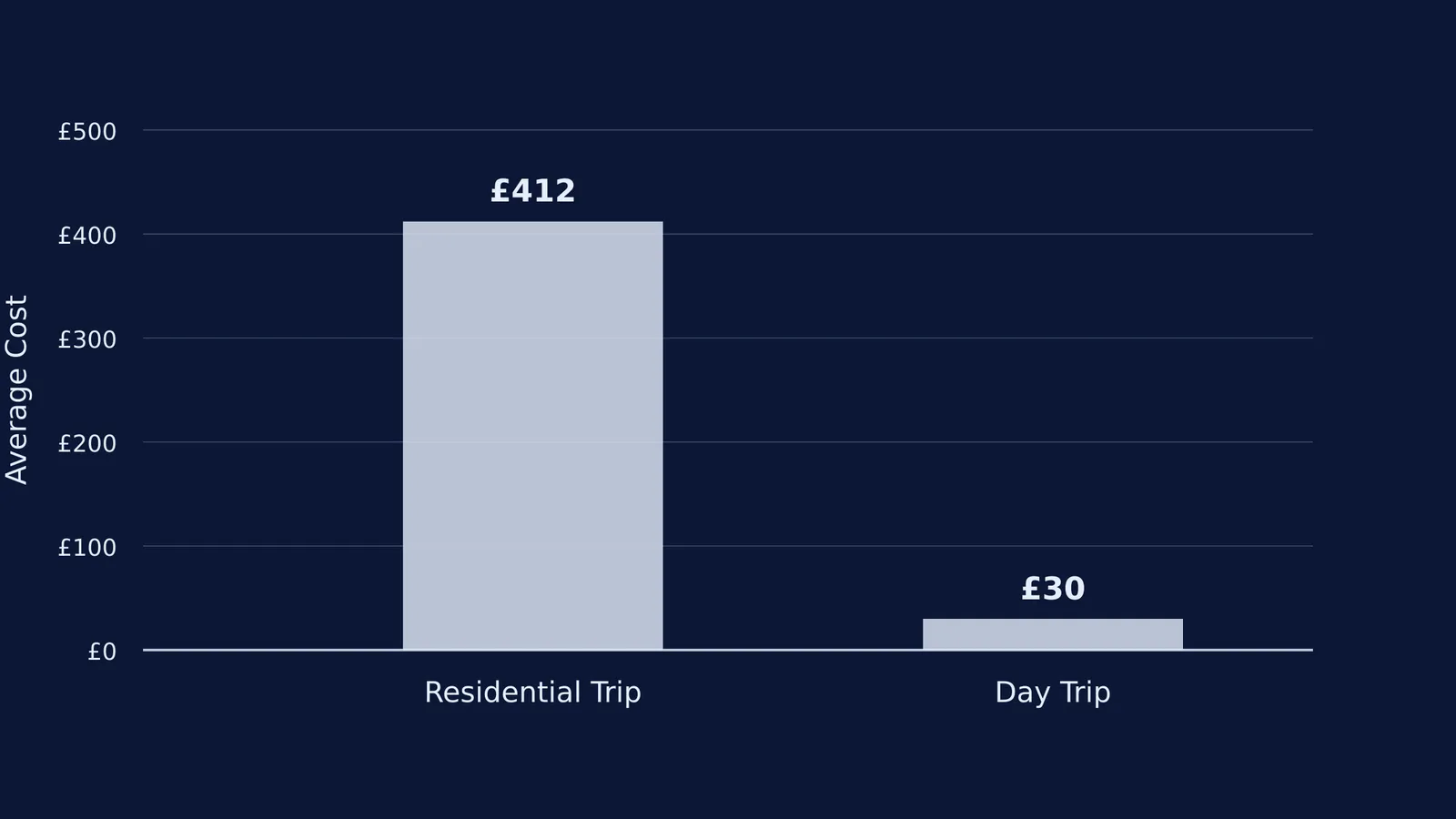
You are not alone in this dilemma. According to research by Zurich Municipal, the average residential school trip in the UK now costs £412, while a day trip averages £30. The financial strain is very real: to afford these excursions, 15% of parents go without everyday essentials, 13% take on extra overtime at work, and 9% sell possessions on sites like Vinted or eBay. When the numbers simply do not add up, 29% of parents report feeling guilty that they have to say no.
However, saying no does not have to be a source of shame or a lasting disappointment. Handled thoughtfully, it can become a crucial moment to build trust and teach your child about financial reality in a healthy way.
Why do I feel so guilty saying no?
The guilt stems from a natural parental desire to provide every opportunity, combined with a fear that your child will feel left out. Missing a major school event can feel like a social setback for a teenager, and parents often worry that this will damage their child's confidence or educational progress.
Yet, stretching the budget to breaking point or going into debt creates a background stress that children almost always sense. By making the difficult decision to say no, you are actually modeling responsible financial behaviour. Acknowledging your own feelings of guilt before the conversation helps you approach your child as a calm guide rather than an anxious provider.
How to tell your child you cannot afford the school trip?
Experts at the Child Mind Institute and the American Psychological Association suggest tailoring the conversation to your child's age, focusing on honesty without burdening them with adult worries.
Acknowledge the disappointment: Start by validating their feelings. Missing a major social event is a real loss in their world. Saying, "I know how much you wanted to go, and it is completely okay to feel sad about it," shows that you are on their side.
Talk about choices, not scarcity: Instead of using phrases that trigger anxiety like "We are broke" or "We cannot afford that," reframe the conversation around budgeting. Explain that every family has a budget, and right now, yours is focused on everyday needs or saving for a different goal. This gives the situation a sense of order and control rather than panic.
Keep the language concrete: For younger children, you might say, "We are choosing to spend our money on things we need right now, like our home and food, instead of the trip." For teenagers, you can be more transparent about the specific cost and why it does not fit into the current plan.
Do not get defensive: It is easy to point out past expenses ("Well, we just bought you a new phone!"), but this often leads to resentment. Keep the focus on the current decision and their feelings.
For more everyday guidance on supporting teenagers through difficult emotional moments, you might find our guide on exam stress and when to get help useful.
What are some alternatives to an expensive school trip?
Missing the school trip does not mean missing out on discovery. You can often recreate the educational spark of the excursion without the high price tag.
Explore locally: If the school trip was to a science centre or historical site, look for something similar nearby. A local visit can be highly engaging if approached with curiosity. (We have put together some tips on getting more from science museum visits.)
Bring the exploration home: If the trip was focused on seeing physics or biology in action, you can explore those ideas together. The Fermi Simulation Lab allows students to experiment with concepts that are easier to see than read—from orbital mechanics to electric fields. Instead of just reading about the topic they missed, they can manipulate the variables while Fermi's AI tutor teaches them through the interactive models.
Focus on the effort: If your child decides to save part of their allowance toward a future trip or local outing, acknowledge their dedication. As we discuss in our post on how to praise children, recognizing the process builds long-term resilience and good habits.
Saying no is never easy, but when you approach the conversation with empathy and clear boundaries, it opens the door to honest conversations about money and creative ways to learn together.