

On this page
It is no secret that digital feeds have replaced the morning paper for most students. According to the OECD's *21st-Century Readers* report, 88% of 15-year-old students read news online several times a week, while only 21% read news in print. However, scrolling through headlines on a smartphone screen does not build the sustained attention required for demanding academic work, nor does it encourage deep reading.
The same OECD report found a striking advantage for those who stick to print: students who read books more often in paper format than in digital format score 49 points higher on the PISA reading scale than those who rarely read. That 49-point difference is roughly equivalent to more than an entire year of formal schooling. Building a daily newspaper habit is one of the most effective ways to bridge this gap. It naturally improves a student's vocabulary, strengthens their attention span, and builds the broad general knowledge needed for competitive exams like JEE and NEET.
Which newspaper section should a teenager read first?
The biggest mistake parents make is handing over the entire newspaper and expecting their teenager to read the front-page political news or economic forecasts. A 16-page broadsheet is overwhelming and can quickly feel like a chore. Instead, break the task down into manageable pieces.
Let them choose the single section that genuinely interests them. If they are passionate about cricket or football, let them read the sports page exclusively. If they love gadgets, cars, or space exploration, point them to the weekly science and technology pull-out. Just as Michael Faraday's scientific journey was ignited by reading Jane Marcet's Conversations on Chemistry, a single compelling article in a subject they love can spark a lifelong intellectual interest. The immediate goal is simply to build the physical habit of holding a paper and reading a long-form article from start to finish without digital distractions. Once the habit is established, their curiosity will naturally spill over into other sections.
How do you discuss the news at dinner?
Reading should not feel like another homework assignment. If you quiz your teenager on what they just read, they will quickly treat the newspaper with resentment. To help children learn without adding pressure, integrate the news into your daily routine by casually discussing one article at the dinner table.
Ask open-ended questions that invite their opinion rather than testing their memory of the facts. You might say, "I saw the headline about the new electric vehicle policy, but I didn't get a chance to read it. What did you think of it?" This simple question shifts the power dynamic. They become the resident expert sharing new information with you, which builds their confidence. Defending an opinion over dinner is excellent practice for the critical thinking and verbal communication skills they will need for future university interviews and group discussions. Newspapers are also full of data and graphs. Understanding how to read these visual arguments—a practice pioneered by figures like William Playfair with the bar chart—is a crucial part of modern media literacy.
Why use newspaper editorials for older teens?
As students enter Classes 11 and 12, they need to move beyond simply absorbing facts to actively analyzing arguments. This is where the editorial and op-ed pages become invaluable tools. The OECD notes that on average, only 9% of 15-year-olds can reliably distinguish between fact and opinion in complex texts. Editorials are the perfect training ground for developing this precise skill.
When reading an op-ed, ask your teen to identify the writer's main argument and the specific evidence they use to support it. Often, these editorials will touch upon complex scientific or economic topics, from climate modelling to genetic engineering or energy policy.
When a newspaper article introduces a scientific term they have not yet encountered in their syllabus, they can look it up in the Fermi Concept Library to see exactly how it works. If an editorial sparks a deeper question about the physics or chemistry behind the news, Fermi's AI tutor can work out what they already know and build a plan for the session, helping them understand the principles behind the headlines without giving away easy answers.
A script for the transition
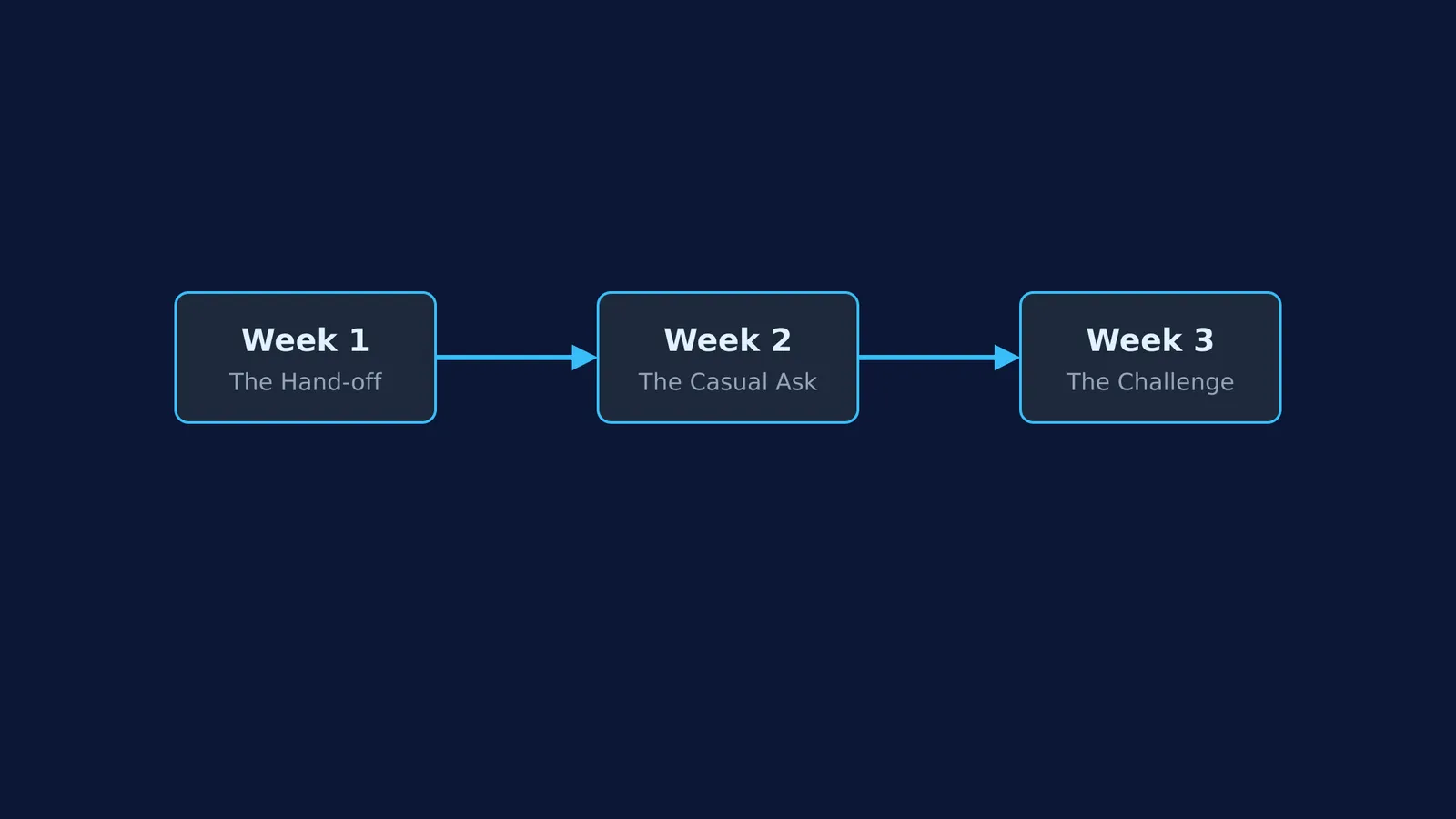
If you are wondering how to actually introduce this routine without meeting resistance, try this simple three-week progression to ease them into the habit:
Week 1 (The Hand-off): "I left the sports section on your desk. There is a great breakdown of yesterday's match in there." (Leave it there; no follow-up required).
Week 2 (The Casual Ask): "Did you see the piece on the new Mars rover? I did not understand how the landing gear works. Did it make sense to you?"
Week 3 (The Editorial Challenge): "The editor is arguing that artificial intelligence will soon replace basic coding jobs. I think they are missing the point. Read it when you have a minute and tell me if you agree with them."


