On this page
A coaching parent-teacher meeting is usually short, crowded and full of rank lists. If you walk in asking "How is my child doing?", you often walk out with a percentile and "needs to work harder". Sharper questions get you something your child can act on before the next test.
What questions should parents ask at a JEE coaching PTM?
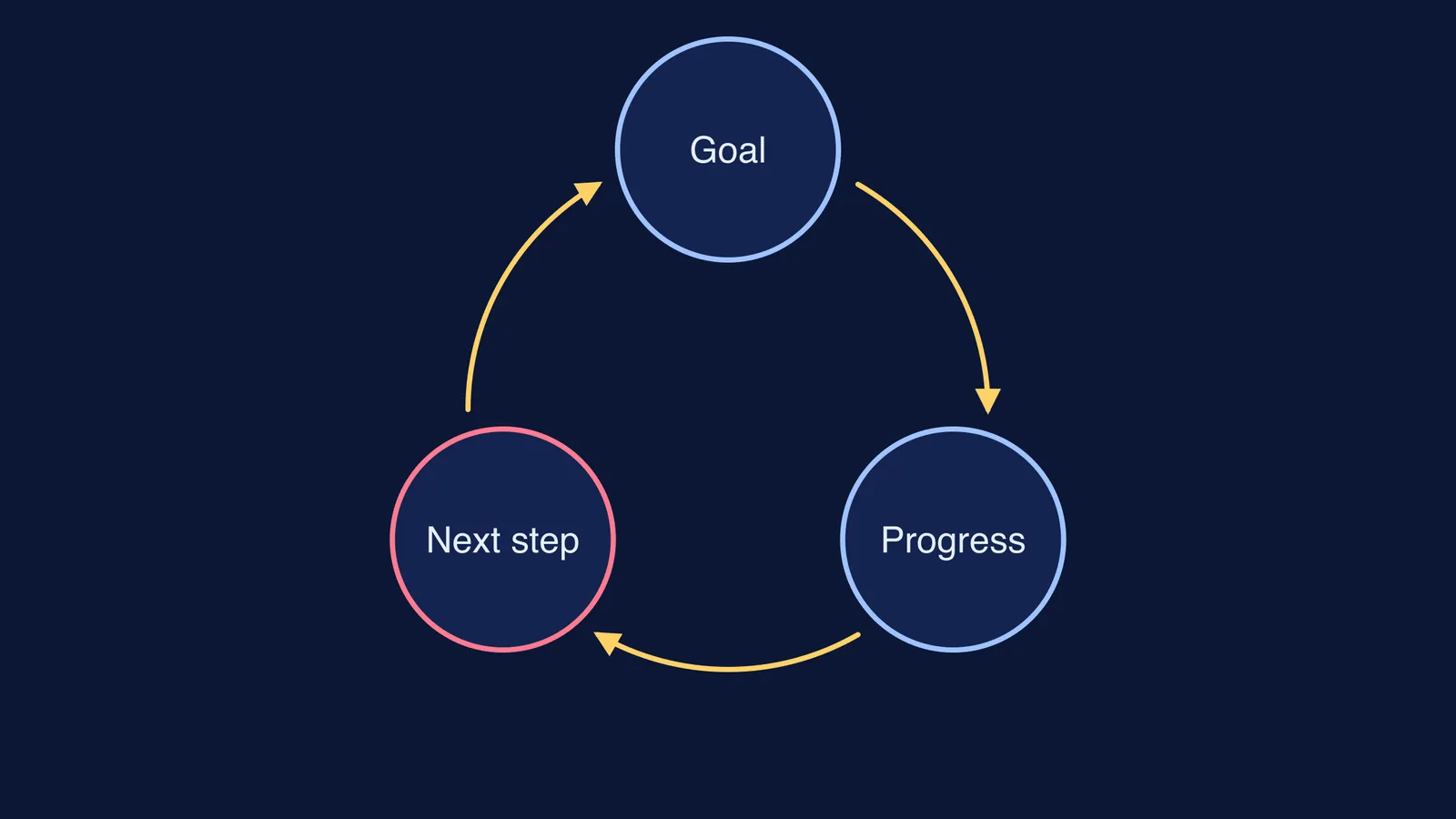
Build your questions around the three that make feedback useful. In their review The Power of Feedback, John Hattie and Helen Timperley found that feedback is among the major influences on learning, but that its effect can be positive or negative, and depends on the type of feedback and the way it is given. Their model, summarised by the University of Twente's teaching portal, asks three questions: Where am I going? How am I going? Where to next?
At a PTM, that becomes:
Where is my child going? "What should my child be able to do by the next phase test, chapter by chapter?"
How are they doing? "Compared with that target, not with the batch, where are they now?"
Where to next? "What is the one thing you would change in the next two weeks?"
If the teacher answers the third question with something specific, such as "redo the rotational motion practice sheets, timed", the meeting worked.
Which test analysis questions should you ask?
A rank tells you where your child stood in the batch that week. It does not tell you why marks were lost. Ask for the latest test report or answer sheet and go through these:
"Of the marks lost, how many came from questions left out, wrong concepts, calculation slips or misread questions?"
"Is accuracy, correct answers out of those attempted, rising or falling across recent tests?"
"Where there is negative marking, is my child guessing too much or skipping too much?"
"Which subject runs out of time first: physics, chemistry or maths?"
If your child already reviews tests at home, a 60-minute mock test review routine gives them a structure, and you can ask the teacher whether it matches what they see. After a bad week, read how to read coaching test ranks in context before you react.
How do you find out which chapters are weak?
"Weak in physics" is not a chapter. Push for names:
"Which two or three chapters cost the most marks this term?"
"Is the gap in understanding the concept, or in applying it to JEE-style problems?"
"Was that chapter taught while my child was absent or still catching up?"
"Is there a backlog of practice sheets or assignments for it?"
"What should be revised first, and from which material?"
Here is how that can play out. A parent hears "average in maths" and asks the second question. The teacher looks at the last two tests: the marks are going in definite integration, and the student knows the properties but picks the wrong one under time pressure. That is an application gap, not a concept gap. So the plan is a short set of timed integration problems every day until the next test, and a check of that section when the result comes out.
The concept-or-application split also tells your child how to practise at home. A concept gap needs the idea taught again, for example in the Fermi Concept Library, where each concept in physics, chemistry and mathematics has its own lesson. An application gap needs worked problems, and the Fermi Problem Library has a step-by-step solver that explains the reasoning rather than printing an answer.
What should parents do after the coaching PTM?
What happens at home matters as much as the meeting. A 2009 meta-analysis of 50 studies by Nancy Hill and Diana Tyson found that parental involvement in middle school was positively associated with achievement, with the exception of help with homework. The strongest link was with what the authors call academic socialization, which includes communicating expectations for education, discussing learning strategies with children, and making plans for the future. Those students were younger than JEE aspirants, but the lesson travels: your job is the conversation, not checking every sum.
A simple plan for the week after:
Same day: tell your child the one strength and the one change the teacher named, in that order.
Within three days: agree together on what the change looks like in their timetable.
Next test: look only at the chapter you discussed, and ask whether the change helped.
If your child seems persistently low, anxious or withdrawn, speak to a doctor or counsellor; the government's Tele MANAS helpline, 14416 or 1800-891-4416, offers free counselling and emotional support round the clock.
For how to keep a good working relationship with teachers between meetings, read how to talk to coaching teachers about your child's progress.