

On this page
Building general knowledge for a school quiz requires more than just reading lists of facts. When your child needs to hit the buzzer or write an answer under pressure, the way they studied matters as much as what they studied. Whether they are preparing for a local trivia night or a national science bowl, the goal is to ensure the information is instantly accessible.
Here is how you can use the science of memory and family routines to help them prepare.
How do you build general knowledge for a quiz?
The most common mistake students make is reading a trivia book or encyclopedia and expecting the facts to stick. This feels productive, but research shows it is highly inefficient.
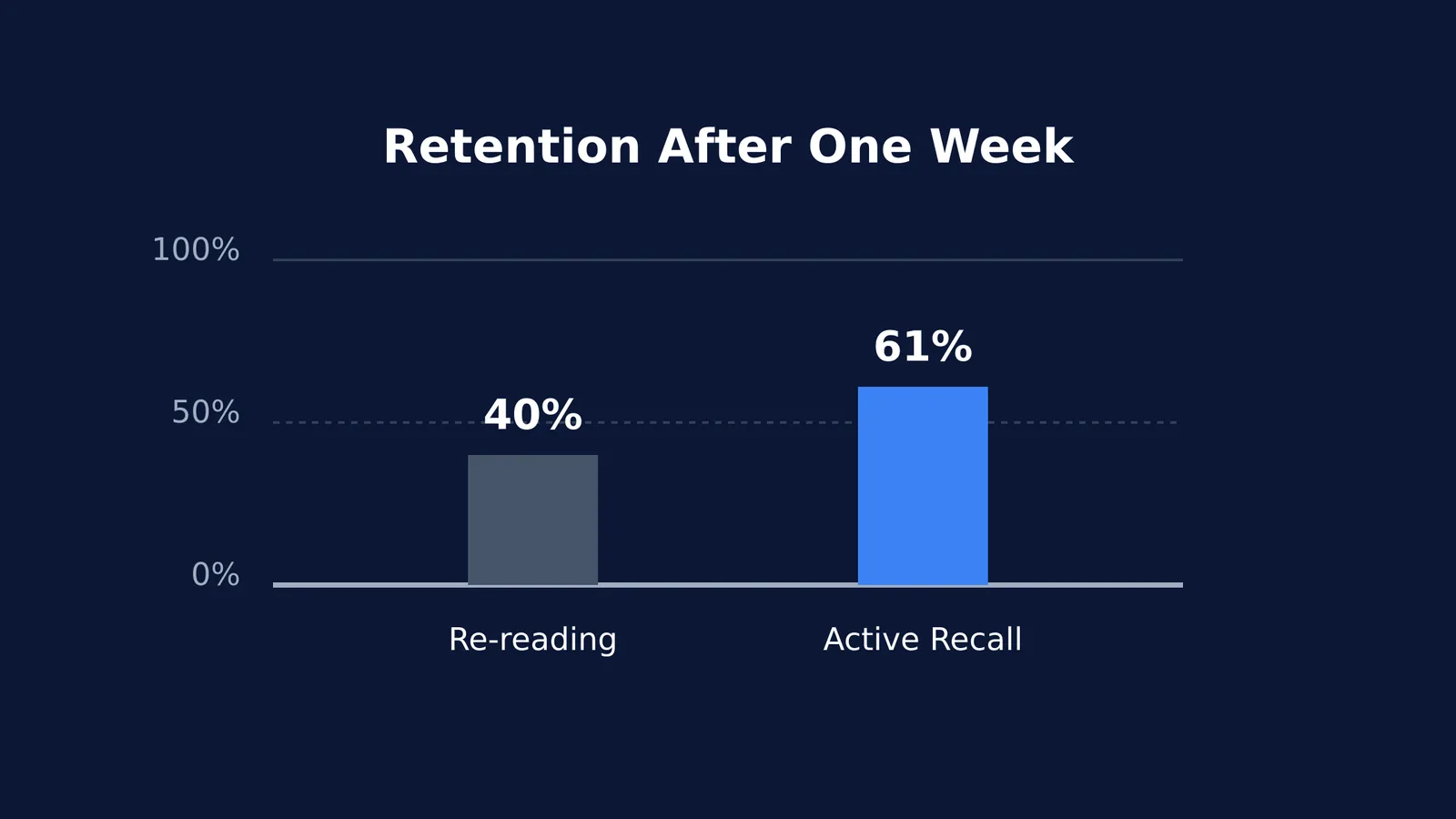
The solution is active recall, which means testing memory by forcing the brain to retrieve an answer without looking at the source. A 2006 study found that students using active recall retained 61% of the material after a one-week delay, whereas those who simply re-read the material retained only 40% source.
Instead of reading a list of European capitals, your child should cover the answers and try to recall them, or use flashcards. One of the most effective ways to practice active recall is the Feynman Technique. This method involves choosing a concept and explaining it in plain language, as if teaching a beginner. If your child struggles to explain a historical event or a scientific principle clearly, they have found a gap in their knowledge.
If they encounter a complex science or maths concept during their reading, they can explore it in the Concept Library, which covers every idea in physics, chemistry, biology, mathematics and computing, each with its own lesson and its place in the map.
What is the best way to remember facts?
Active recall works best when you leave a gap before testing yourself. This is known as the spacing effect. Cramming the night before might help them remember facts the next morning, but that knowledge fades rapidly over the following days.
You should not review the same facts every single day. A 2008 study involving over 1,350 individuals showed that the optimal gap between study sessions is 10% to 20% of how long you want to remember the information source. For example, if the quiz is in a month, the ideal time to review a new fact is about a week after first learning it.
Spacing out reviews forces the brain to work harder to pull the memory back, which signals that the fact is important enough to store long-term.
When learning the reasoning behind the facts, rather than just the facts themselves, Fermi can help. The AI tutor holds a line of reasoning across a whole session, notices where a student is stuck, and decides whether to explain, ask, or show.
How to structure a study session
While reviewing material over several weeks is important, the structure of a single study session also matters. Short, focused bursts of study are more effective than marathon reading sessions. Encourage your child to study a topic for 25 minutes, then take a short break to let their brain rest.
Additionally, instead of spending an entire hour on a single subject like geography, they should interleave their practice. Mixing history, science, and geography questions in one session forces the brain to constantly switch gears. This mimics the unpredictability of a real quiz competition, where they will not know which category is coming next.
How can parents help with quiz preparation?
Your involvement changes how your child approaches learning. Students with involved parents are 40% more likely to earn mostly A's in school source. For a quiz competition, you can turn study time into a game.
A weekly family quiz plan
Here is a simple routine to introduce active recall and spaced repetition at home without making it feel like homework:
Monday to Wednesday: Your child reads their books, watches documentaries, or browses topics they find interesting.
Thursday: Ask them to write down 10 questions based on what they learned that week.
Friday Dinner: Host a family quiz round. You ask them their 10 questions, and they get a point for each correct answer. If they stumble, ask them to explain the idea to you—teaching someone else is a powerful form of active recall. By simulating the pressure of a real quiz, you also help them manage their nerves.
Sunday Review: Mix three questions from last week's quiz with a few older ones to take advantage of the spacing effect.
If a question involves a tricky numerical problem, they can run it through the Fermi Problem Library. It provides a step-by-step solver that explains the reasoning rather than printing an answer.
By shifting from passive reading to active testing, you help your child build a deep, reliable pool of general knowledge that stays with them long after the competition is over. For more study strategies, read about why rereading feels like learning, and what to do instead or explore the benefits of desirable difficulties. You can also learn how to make an AI chatbot quiz you properly.


