

On this page
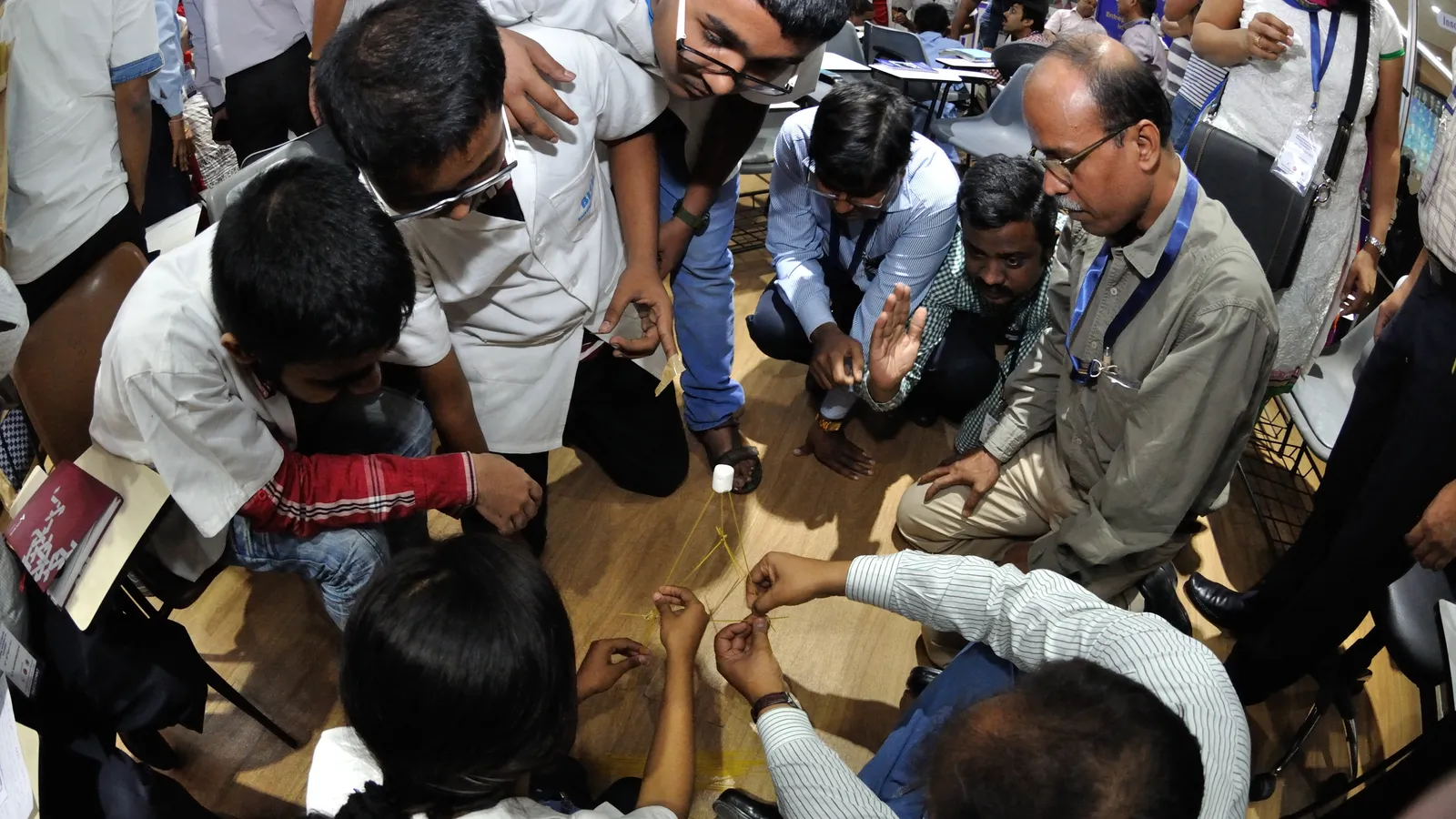
Science and STEM camp brochures look alike: robots, rockets, smiling children in lab coats. What separates a good camp from an expensive day out is easier to check than it looks. Ask about four things before you pay: hands-on time, who teaches, group size and what your child will have at the end.
How much hands-on time should a science camp have?
Doing beats watching. A meta-analysis of 225 studies of university science, engineering and maths courses in PNAS (Freeman and colleagues, 2014) found that average exam scores rose by about 6% under active learning. In the same analysis, students in traditional lecture classes were 1.5 times more likely to fail than students in active-learning classes. We explain that study in more detail in what the 2014 Freeman active learning meta-analysis found.
But "hands-on" alone is not enough. In a 2012 American Educator article drawing on their 2006 paper, Richard Clark, Paul Kirschner and John Sweller argue that beginners learn more when concepts are explained clearly first and then practised. They say small-group projects can be effective as a way to practise what was just taught, not as a way to discover it alone. So the question is not only "how much time with materials?" but "does someone explain the idea, then let my child try it, then check it worked?"
How do you compare two camp schedules?
Ask each camp for a sample day, then count the minutes.
Camp A (6 hours): 90 minutes of talks, 60 minutes of demonstrations by staff, 60 minutes for lunch and breaks, 30 minutes of a video, 120 minutes of "activity". If that activity is a solar-system colouring sheet, real hands-on time is near zero.
Camp B (5 hours): 30 minutes explaining one idea (say, why a bridge shape carries load), 150 minutes building and testing bridges in pairs, 30 minutes comparing results, 60 minutes for breaks, 30 minutes of a short talk.
Camp B is shorter, but 150 of its 240 teaching minutes (about 63%) go to children building and testing. Camp A gives at most 120 of 300 (40%), and possibly none. A rough rule of thumb we suggest: if less than half the teaching time has your child's hands on the materials, ask why.
Who will actually teach your child?
The founder on the website may never enter the room. Ask:
Who leads each session, and what did they study or work in?
Are there helpers, and are they trained students or volunteers?
Has every adult who works with children had a background check, and is there a written child-safety policy?
Can I speak to one instructor for five minutes before I enrol?
A good instructor can tell you what your child will understand by Friday that they do not on Monday.
What group size is safe and useful?
For supervision alone, the American Camp Association's recommended minimums, as reproduced by Cleveland State University, are one staff member for every ten campers aged 9 to 14 at day camps, and one for every eight at residential camps.
Those numbers are about safety, not teaching. For lab work, also ask how many children share one kit, and how many one instructor helps at once. If four children share one circuit board, one builds and three watch.
How can you tell if a camp delivers results before you pay?
Last-day happiness matters, but ask for more:
What will my child make, record or present by the end? Can I see last year's examples?
Is there a final project or test, and will I get feedback on my child's work?
What can my child continue at home afterwards?
What happens if my child misses a day or the camp is cancelled? Is the refund policy written down?
Compare paid camps with free and selective options too. ISRO runs YUVIKA, which teaches school students the basics of space science, technology and applications; its 2023 edition was a two-week residential programme. Check its current page for who can apply and when.
What should you say when you call the organiser?
You can read this almost word for word:
"Hello, my child is in Class 8 and enjoys science. Before we register, could you email me a sample day's schedule with timings? Who teaches each session, and what is their background? How many children are there per instructor, and per kit? What will my child make by the last day, and could I see an example from last year? And what is your refund policy?"
Clear answers within a day or two show you how the camp runs. Vague replies, or pressure to "book now", tell you something too.
If the camp leaves your child curious about one idea, keep it going at home. Fermi Simulation Lab has interactive simulations for the ideas that are easier to see than to read. For simple ways to fill the rest of the break, see summer learning loss: what the research shows. The same questions also work when you evaluate a coaching institute before you pay the fee.


