

On this page
Every evening, you find your teenager staring blankly into their phone, scrolling past dozens of videos a minute. What starts as a brief break after homework quickly stretches into hours of lost time. If you have ever wondered why it is so hard for them to put the device away, the answer lies in the design of the platforms themselves.
Why does my child watch Instagram Reels for hours?
Short-form video apps are built to remove "stopping cues." In the past, reading a chapter or watching a TV episode had a clear end. Today, platforms like Instagram Reels and TikTok offer an infinite scroll that constantly delivers novel, high-engagement content without any natural break points.
The grip these videos have on a developing brain is not accidental. A 2024 report by Kentucky Public Radio on a multi-state lawsuit revealed that internal TikTok research found users form a habit after viewing just 260 videos. Because the videos are so brief, a teen can reach that threshold in as little as 35 minutes of continuous scrolling. The algorithms are finely tuned to feed them exactly what keeps them watching, making it incredibly difficult for a tired teenager to voluntarily switch tasks.
Is short-form video addiction real?
Yes, and the evidence points to significant impacts on adolescent well-being. The constant barrage of quick entertainment affects how teens process information and manage their emotions.
A 2024 study published in *BMC Psychology* surveyed 1,629 adolescents and found that short-form video addiction is significantly and positively correlated with poor sleep quality and social anxiety. The researchers detected poor sleep in 31% of the participants. When a teen stays up late scrolling, they are not just losing sleep; they are actively disrupting their brain's ability to wind down. If you want to understand more about How much sleep teenagers need, establishing a clear evening boundary is the first step.
The habit also spills over into their academic life. A brain trained to expect constant rapid rewards struggles to focus on a challenging physics problem or a dense chapter of history. They might try to study with their device nearby, which only creates more friction. Does a phone on your desk hurt focus? The brain drain study shows that merely having a smartphone in the room reduces cognitive capacity.
When a student sits down to study but feels overwhelmed by the friction of starting, they often retreat to scrolling. The Fermi Problem Library has worked problems with a step-by-step solver that explains the reasoning rather than printing an answer. This gives them a clear next step instead of a blank page. Or they can use Fermi's AI tutor, which can work out what they already know and build a plan for the session, removing the frustration that usually drives them back to their phone.
How do I stop my child from watching short videos?
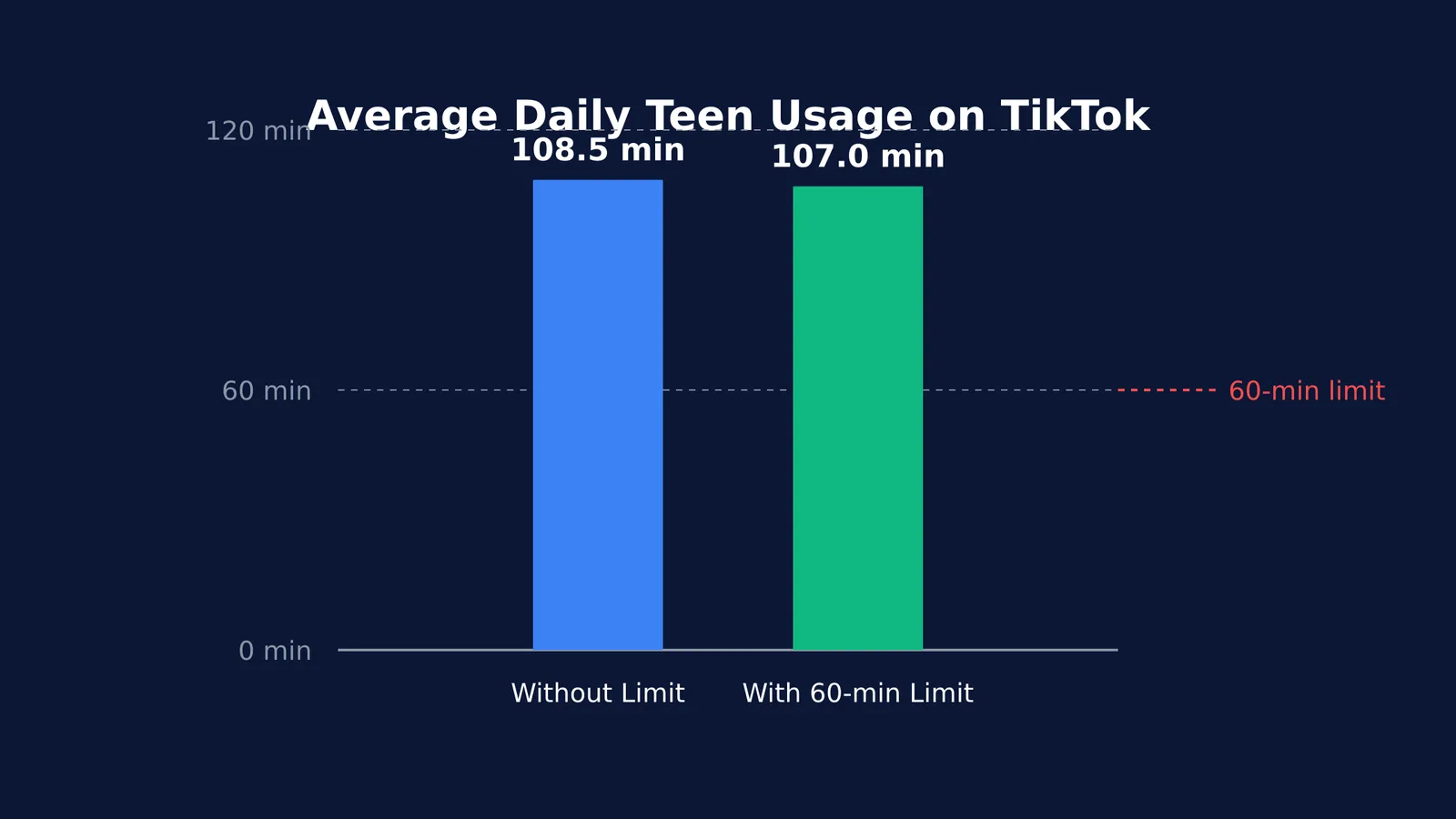
The solution is not just taking the phone away, which often leads to conflict. Instead, you need to set boundaries together and replace the scrolling habit with high-value alternatives. Built-in screen time limits often do not work; the same leaked TikTok documents noted that the app's 60-minute daily limit only reduced teen usage by about 1.5 minutes per day.
To help your teen build a healthier relationship with their phone, try using this evening framework.
A framework for evening screen limits
Have a collaborative conversation
Do not approach the issue when they are mid-scroll. Choose a neutral time on a weekend. *Script idea:* "I have noticed you seem really exhausted in the mornings, and I know how easy it is to lose track of time on Reels. Let's figure out a way to give your brain a break before bed."
Move the chargers out of the bedroom
The single most effective change you can make is to charge all devices in the kitchen or living room overnight. This stops the late-night scrolling in its tracks and forces a physical separation from the phone.
Set a "device sundown" time
Agree on a specific time—such as 9:00 PM—when all phones go on the charger. The key is that parents must follow this rule too. If you are scrolling in bed, your teenager will spot the hypocrisy immediately.
Offer a structured alternative
A brain used to constant stimulation will feel bored when the phone disappears. You have to fill that gap.
Start a family reading habit for twenty minutes before bed.
Listen to a podcast or an audiobook together.
Play a quick card game or sit down with a sketchbook.
Breaking the short-form video habit takes time, but by understanding the mechanics behind the endless scroll and setting firm, shared boundaries, you can help your teen reclaim their evenings.


