On this page
Your child has found an online course in Python, astronomy or "AI for teens" that ends with a certificate. Before you pay, ask together: who runs it, what does it really cost, and where does it lead?
Are online certificate courses useful for school students?
They can be, mostly for what your child learns rather than for the paper. A certificate is a record that someone finished a course and, sometimes, passed a test. What it can do is give a curious 15-year-old a structured way to try a subject before choosing a stream or a degree, and something real to talk about in an application essay or interview.
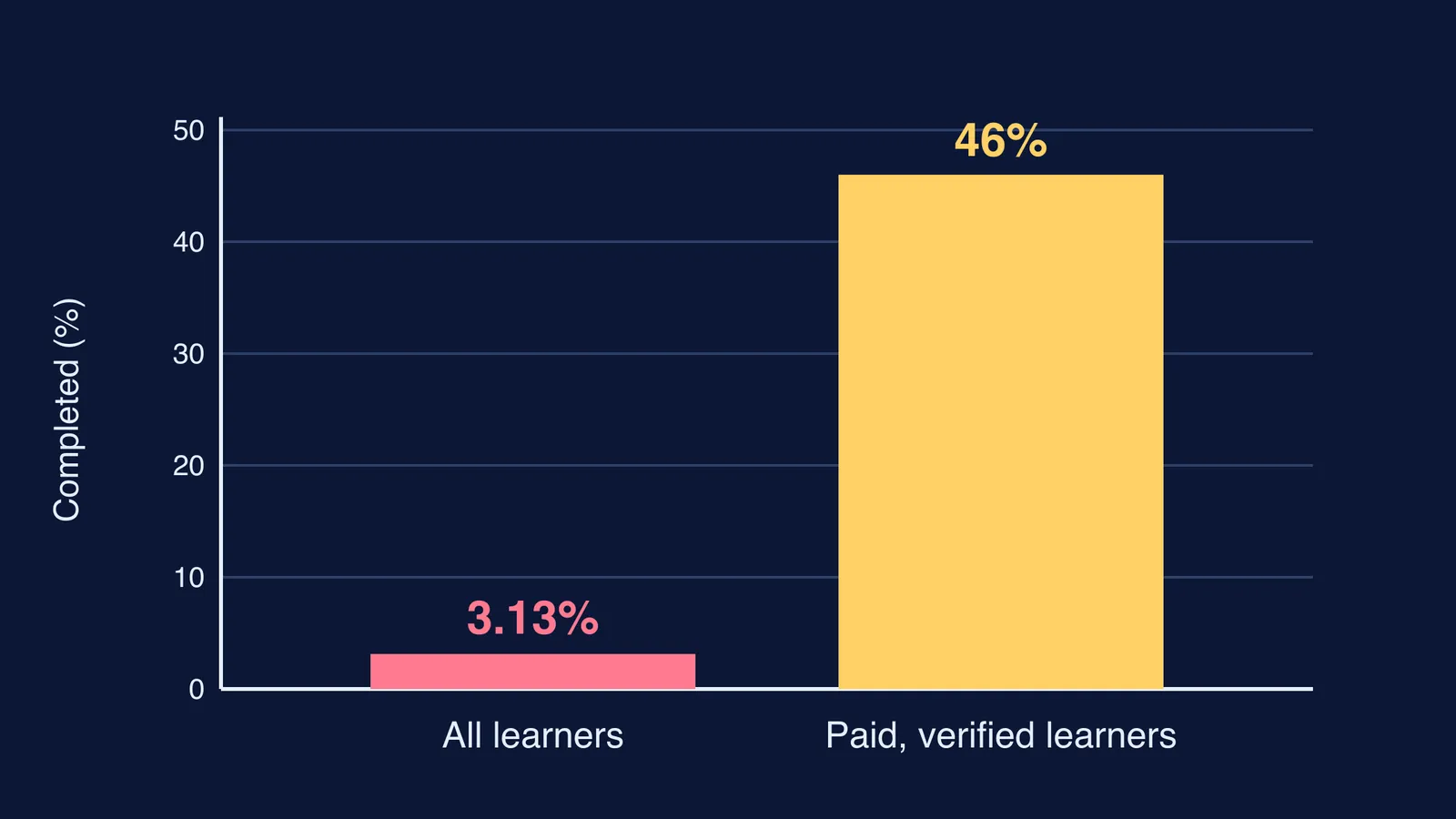
The bigger risk is not finishing. In a paper in Science, MIT researchers Justin Reich and José Ruipérez-Valiente analysed 5.63 million learners in MIT and Harvard courses on edX from 2012 to 2018, as summarised by Inside Higher Ed. Only 3.13% of all participants completed their courses in 2017-18. Among learners who paid for the verified track, 46% completed.
The study covered all edX learners, not school students in particular, and paying may simply go with being more committed, so treat this as a warning rather than a forecast.
Who runs the course, and whose name is on the certificate?
Courses aimed at Indian teenagers usually come from one of three kinds of provider:
Government platforms. SWAYAM is a Ministry of Education initiative, with national coordinators including NCERT, NIOS, UGC, AICTE and NPTEL, and it hosts courses from Class 9 to post-graduation, free to any learner.
University courses on global platforms such as edX and Coursera, where a named university designs the course and the platform hosts it.
Private edtech companies and individual creators, whose certificate carries only their own name.
What matters is whether the name on the certificate means something to the people your child will show it to, and whether a graded test stands behind it. A certificate for watching videos says much less than one for passing a proctored exam.
What does an online certificate course really cost?
The learning is often free; the certificate is what you pay for. SWAYAM courses cost nothing, but learners who want a SWAYAM certificate must register for a proctored final exam that carries a fee (SWAYAM).
NPTEL, a joint venture of the IITs and IISc funded by the Ministry of Education, says enrolment is free and the optional certification exam costs Rs 1000 per course (NPTEL). To be certified, a learner needs an average assignment score of at least 40 out of 100 and at least 40 out of 100 in the final exam.
Set that against a private course charging several thousand rupees for recorded videos and an automatic PDF. Then count the cost nobody advertises: time. A course asking four hours a week for 12 weeks takes 48 hours, and those hours come from sleep, school or revision.
Does a certificate lead anywhere after school?
Sometimes, later. SWAYAM notes that universities and colleges that approve credit transfer can use the marks or certificate from its courses (SWAYAM); our guide on getting college credits for NPTEL courses explains how that works. For a school student, the payoff is usually indirect: a clearer sense of what they enjoy, and evidence that they started something and finished it.
If your child lists a course, list it the way our one-page resume guide for college applications suggests: what they did and made, not just the course title.
The five-question test before you pay
Sit down together for 15 minutes and answer these out loud:
Who issues the certificate? Find the institution's name on the course page, then confirm the course on that institution's own website.
Is there a graded or proctored test, or is the certificate for attendance only?
What is free and what is paid? Can your child do the first two weeks free before paying for anything?
How many hours a week, and which weeks clash with unit tests, pre-boards or board exams?
What will exist at the end? A program that runs, a notebook of solved problems or a short write-up beats a PDF.
A worked example: your Class 10 child wants a Rs 6,000 "AI for teens" course from an app advert. The issuer is the app itself, there is no proctored test, and it runs through pre-boards. That fails questions 1, 2 and 4. A free government or university course on the same basics, started after boards and audited first, passes more of them.
Here is a script that keeps the decision theirs: "I'm glad you want to learn this. Show me who gives the certificate and one thing you'll make by the end. Do the first two weeks free, and if you're still going, we'll pay for the exam." That ties the money to finishing.
If the real aim is understanding a science subject more deeply rather than collecting a credential, Fermi Courses are university-level courses taught by working scientists, with the AI tutor available on every lecture. The same five questions also work for judging internships for school students.