

On this page
If your child is constantly turning over rocks to look at bugs or asking how plants grow, you already have a young biologist in the house. Biology is fundamentally the study of life, and it begins with observation. You do not need a laboratory to foster this interest; the backyard, a local park, or a potted plant on a balcony is enough.
The goal at a young age is not to memorise taxonomy or complex cell structures, but to develop the habits of a scientist. By giving a child the tools to record what they see, you help them build a strong foundation for future science learning.
How does nature journaling improve science learning?
Keeping a nature journal is one of the most effective ways to translate curiosity into structured scientific inquiry. When a child sketches a leaf and writes notes about its texture, they engage multiple learning pathways.
This practice slows the mind down and forces deep observation. Instead of glancing at a flower and walking away, the child must study the number of petals, the shape of the stem, and the presence of insects. A journal acts as a personal field guide. Over time, this builds what educators call a "science identity," helping students move beyond isolated facts to understand how ecosystems change across seasons.
How does caring for pets build empathy and observation skills?
Interacting with animals teaches responsibility, but it also provides a daily lesson in animal behaviour and anatomy. Children who care for pets learn to interpret non-verbal cues and understand the needs of another living being.
A 2006 study by Daly and Morton, published in Anthrozoös, found that children who owned both cats and dogs scored higher on empathy scales than those with only one type of pet or no pets at all. Pets serve as an accessible entry point into biology. You can encourage your child to track their dog's resting breathing rate, observe how a cat's pupils change in different lighting, or log the feeding habits of aquarium fish. These are real, tangible biology experiments that require no special equipment.
Which garden projects teach biology best?
A garden is a living laboratory where children can witness the entire life cycle of a plant, from seed germination to pollination and decay. This transforms abstract textbook diagrams into lived experiences.
A 2005 study of 647 elementary students by Klemmer, Waliczek, and Zajicek found that those who participated in school gardening scored significantly higher on science achievement tests compared to students who received only traditional classroom instruction.
To bring this into your home, try these projects:
Seed germination: Grow beans in a clear glass jar lined with wet paper towels so the root system is visible.
Phototropism: Place a potted plant inside a cardboard box with a single hole cut in the side, and watch how it bends towards the light.
Composting: Start a small compost bin to teach the biology of decomposition and nutrient cycling.
If you are looking for ways to expand these activities, How to plan a safe science experiment at home with AI is a good place to start.
How can you support a young biologist at home?
Beyond journals and gardens, providing the right environment is crucial. Keep a few field guides and natural history books accessible. Allow your child to lead the exploration. If they find a strange insect, rather than immediately telling them what it is, help them look it up or encourage them to sketch it first.
You can also integrate science into your family's routine. A weekly science question jar for family dinners is a simple way to keep the momentum going. As your child grows older, you might consider formal programmes. If you are exploring structured holiday activities, you might ask, Is a science summer camp worth it? Questions to ask first.
When their questions inevitably become too complex for a field guide—such as how photosynthesis works at a molecular level—they will need tools that adapt to their pace. Fermi's AI tutor can work out what a student knows and build a plan for the session, allowing a teenager to explore biology deeply without getting stuck.
A weekly checklist for young biologists
To keep the learning active without it feeling like homework, try this simple weekly rhythm:
One field trip: Visit a park, nature reserve, or even a different neighbourhood street to observe local wildlife.
Two journal entries: Dedicate 15 minutes twice a week to sketch a new plant or animal.
One garden check: Measure a growing plant or water a specific patch of seeds.
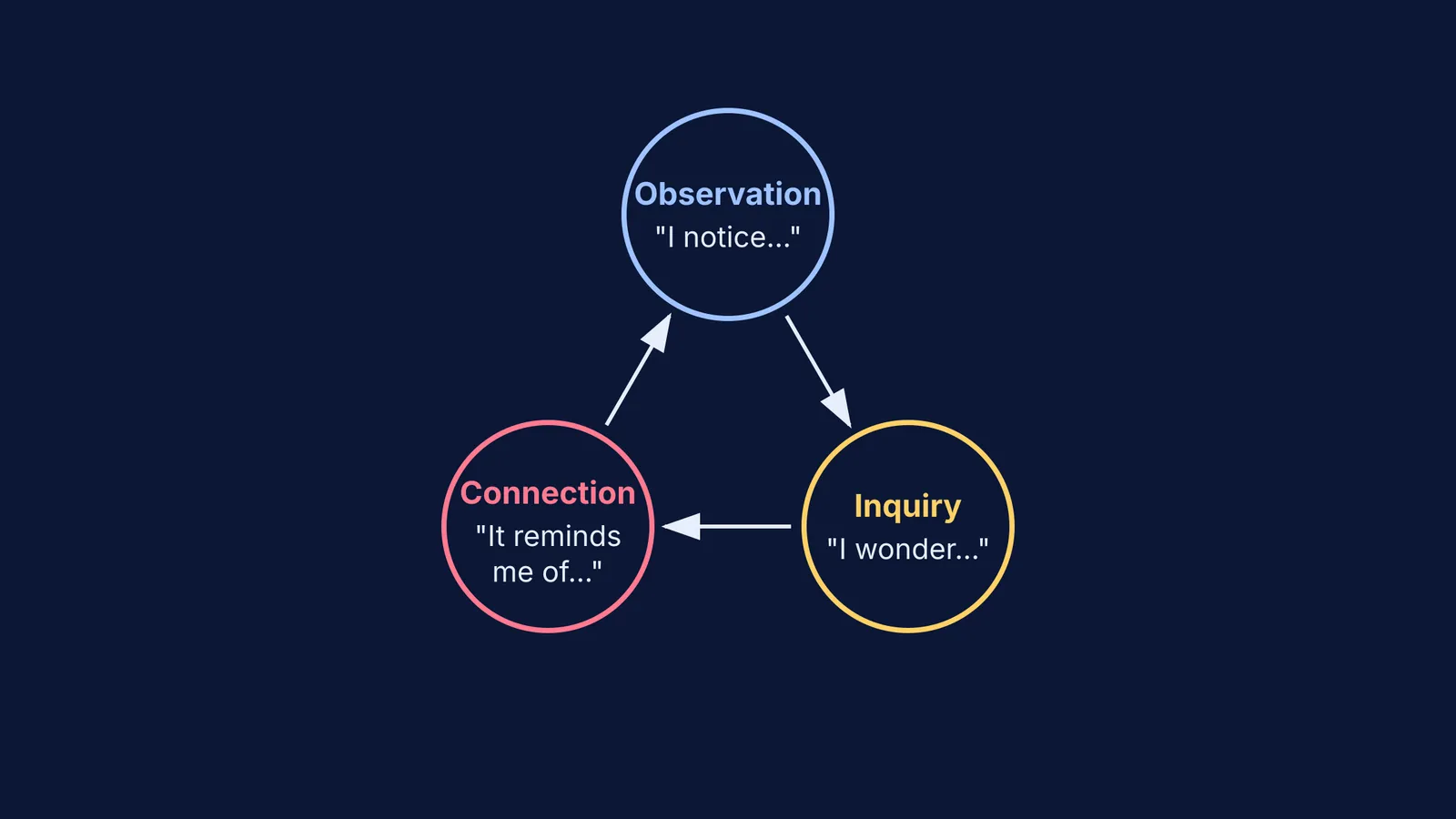
One question explored: Pick one "I wonder..." question from the journal and research the answer together.


