On this page
When parents see their teenager spending hours in their room texting, gaming, or talking to a screen, it is easy to assume they are isolating themselves. However, the landscape of adolescence has moved heavily onto the internet. Rather than shutting out the world, many teenagers are simply socialising in a different venue.
Understanding how to navigate this shift requires validating the friendships they have built online while gently encouraging physical, offline connections. It also involves ensuring they learn the digital literacy needed to stay safe without feeling like their privacy is constantly invaded.
Are online friendships real?
Digital connections provide genuine emotional intimacy and companionship for teenagers today. A landmark 2015 study by the Pew Research Center found that 57% of all teens had met a new friend online. Of those adolescents, 64% met through social media platforms, while 36% connected via networked video games. The medium often differs significantly by gender: 57% of boys who made online friends did so through gaming, whereas girls predominantly connected through social media feeds.
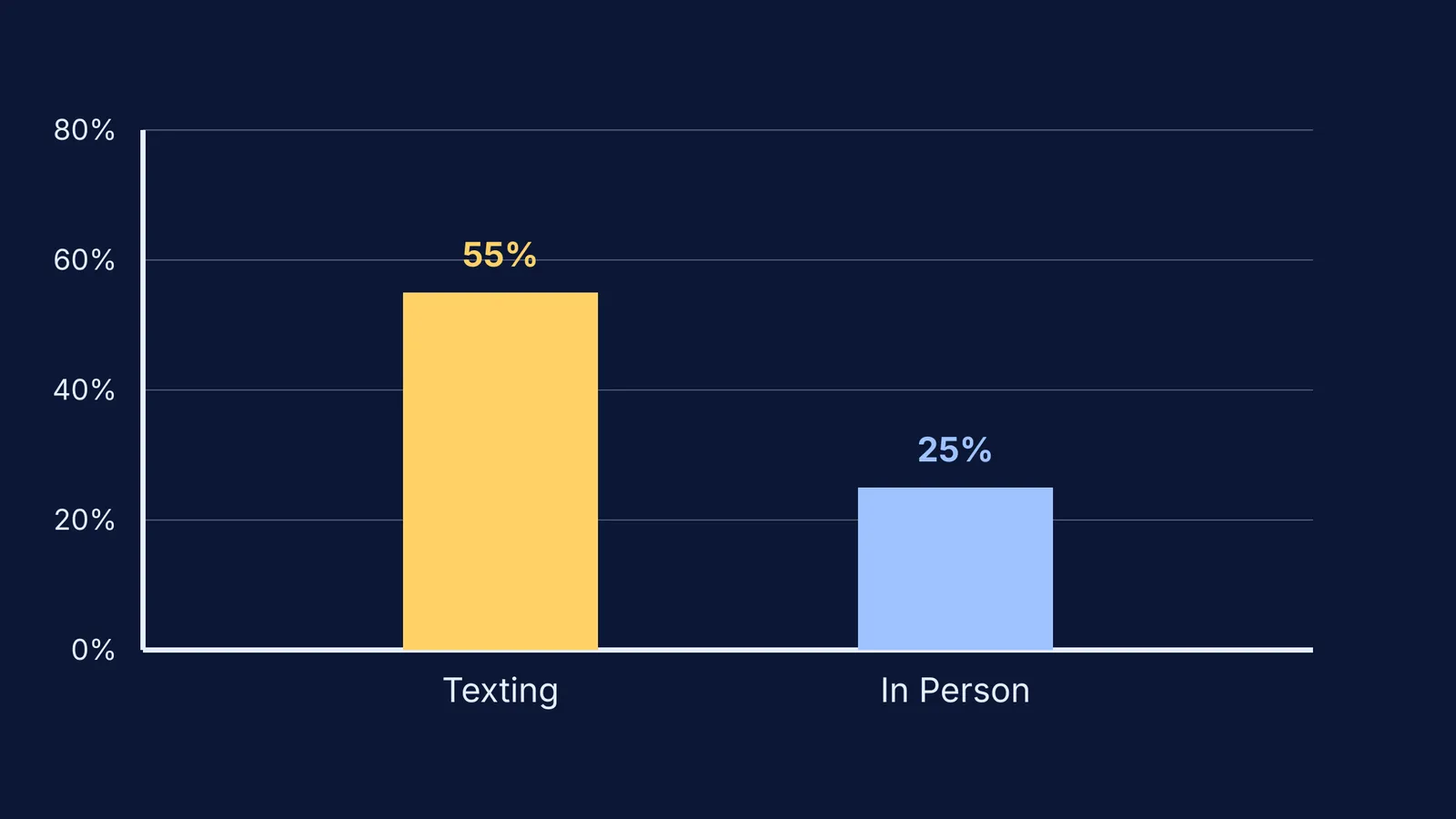
These online relationships are not a fringe activity; they are a significant part of daily routines. The Pew Research Center also notes that 55% of teens text their friends every day, while only 25% see friends in person daily outside of school hours. For adolescents who feel geographically isolated, or those dealing with social anxiety, these digital communities offer critical support systems. They provide a space to share interests and build confidence, which should not be dismissed as "fake" just because the communication happens on a screen.
When should parents worry about digital-only friends?
The American Psychological Association (APA) released its first-ever Health Advisory on Social Media Use in Adolescence in May 2023, emphasising that social media is neither inherently harmful nor inherently beneficial. The primary concern arises when online interactions begin to replace fundamental physical and developmental needs.
Parents should screen for signs of "problematic use", which happens when a digital life interferes with the physical world. The APA warns that online habits become dangerous if they cut into the recommended eight hours of sleep, reduce physical activity, or if a teenager regularly lies to stay online. If your child is choosing screen time over essential face-to-face interactions, family obligations, or schoolwork, it is a strong sign that their digital friendships are pulling their life out of balance.
You can learn more about how our physical environment and screens interact to drain attention in our look at Does a phone on your desk hurt focus?.
How can you check online safety without spying?
Instead of secretly reading a teenager's private messages or tracking every keystroke, the APA recommends a strategy similar to teaching a child to drive. The "driver's license" analogy suggests that young people need explicit coaching and instruction in social media literacy before they are handed the keys to total digital freedom.
For younger adolescents (ages 10 to 14), parents should provide ongoing review and initiate open discussions about their online interactions. Ask them who they are talking to in their games, what they are sharing, and how they handle disagreements online. As teens mature and demonstrate better digital literacy—such as knowing how to block cyberhate or step away from appearance-based social comparisons—they earn increasing privacy and autonomy. The goal is to build trust so that if something goes wrong online, they come to you instead of hiding it.
How do you encourage offline connections?
If your teenager has friends only online, a sudden total ban on their digital life will likely cause resentment and further isolation. Instead, use a balanced and gradual approach to introduce offline habits.
Validate their digital friends: Acknowledge that their online guild or group chat matters to them. Treat these friends with the same respect you would offer to classmates.
Set physical boundaries: Establish tech-free zones in the house, such as the dinner table, and enforce a strict offline hour before bed to protect their developing brains and sleep schedules.
Bridge the gap: Look for real-world activities that match their online interests. If they spend hours playing team-based strategy games, they might enjoy an offline robotics club, a local chess league, or a coding camp.
Alleviate academic isolation: Sometimes teenagers retreat online because they feel stuck and overwhelmed in their offline work. Not knowing where to start on difficult homework can drastically increase feelings of isolation. Fermi's AI tutor can work out what you already know and build a plan for the session, so you sit down to a clear next step instead of staring at a blank page.
Building a well-rounded social life takes time and practice. You can explore how adopting new psychological strategies helps teenagers overcome challenges in our review of Growth mindset: what the big studies found. Encouraging offline friendships is not about replacing their online world entirely, but ensuring they have a sturdy, reliable foundation in both.