On this page
Watching your child experience social rejection is incredibly painful. As a parent, your first instinct is often to intervene. You might want to call the teacher, text another parent, or try to fix the friendship dynamic immediately so your child stops hurting.
However, child psychology experts advise a different approach. Before solving the social puzzle, children need a safe space to process the immediate emotional sting. Jumping to solutions too quickly can accidentally signal that their painful feelings are wrong or need to be rushed away.
Why do children feel left out at school?
Shifts in social dynamics are a normal, if difficult, part of growing up. Friend groups fracture, interests change, and sometimes a child is simply the odd one out on a given day because of a miscommunication or a new clique forming.
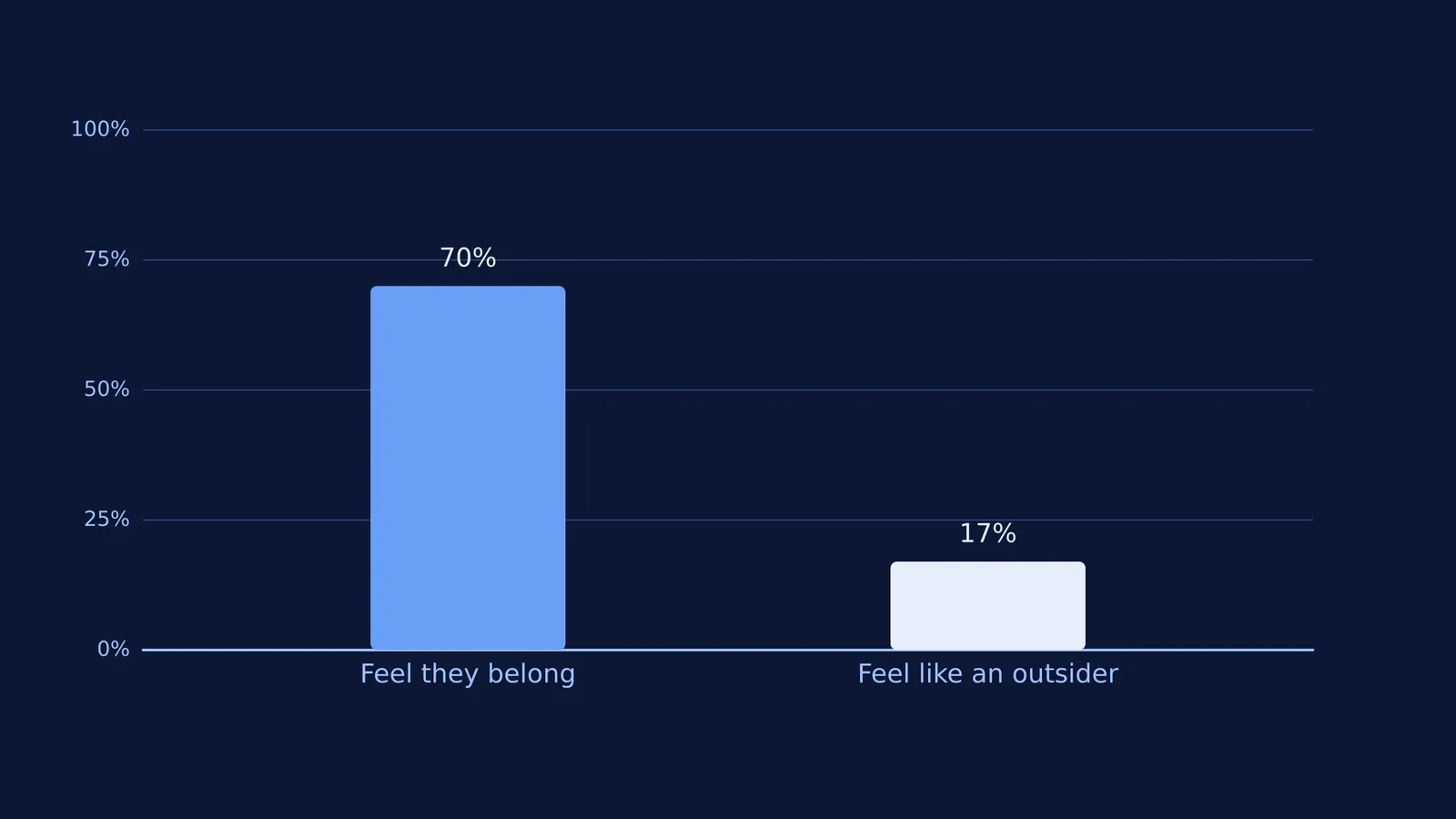
It is also far more common than many families realise. According to the OECD PISA 2022 survey, 17% of students on average across OECD countries report feeling like an outsider or left out of things at school. The same survey found that 17% feel lonely at school, while 70% feel they belong. This data shows that feeling excluded is a widespread experience, not a reflection of your child's inherent worth or social skills.
When your child comes home upset, normalizing this experience is a powerful way to reduce their shame. Knowing that nearly one in five students feels the same way can take the personal sting out of the rejection. The OECD survey also highlights that students who report stronger family support experience a greater sense of belonging at school and higher life satisfaction.
How should you respond when a child feels left out?
The most critical first step is validation. According to Katherine Prudente at the Child Mind Institute, parents should comfort and validate their child's experience without immediately trying to minimize it. Many well-intentioned parents attempt to minimize feelings of disappointment, but miss the big picture. Your child is disappointed and needs comfort before they can consider alternatives.
Prudente offers practical tips for building your child's resilience:
Comfort and validate first: Acknowledge their disappointment by saying, "That is so disappointing," before trying to solve the problem.
Make failing safe: Help them view failure as a learning experience rather than a permanent flaw. You can discuss how to talk about failure at home so they learn that setbacks are normal.
Take a back seat: Try problem-solving together and let your child take the lead. Intervening directly can send the message that you do not think they can handle it on their own.
How can they find other friends or build confidence?
Once your child is ready to move forward and has asked for your help, you can guide them to cast a wider net and try again. Remind them that one bad day does not define their entire school life. If their primary group is excluding them, suggest they sit with someone new at lunch, join a different club, or look for peers who share their niche interests.
You should also focus on praising their character rather than their social status. Commend them for being kind, brave enough to talk to someone new, and willing to try a second time.
Sometimes, children lean heavily into their academics when social dynamics are tough. If your child finds refuge in studying during a lonely period, Fermi's AI tutor can work out what they already know and build a plan for the session, so they sit down to a clear next step. A structured win in their coursework can rebuild the confidence they lost on the playground.
When should you contact the school teacher?
While most everyday social friction resolves itself, adults must step in if the exclusion crosses the line into systematic bullying, or if it begins to severely affect the child's daily functioning and mental health.
Watch for physical and behavioural signs like a sudden drop in grades, refusing to go to school, frequent stomach aches, or significant changes in eating and sleeping habits. If you see these red flags, it is time to speak to the teacher or the school counsellor to understand exactly what is happening during the school day.
If you are dealing with exam stress in teenagers and when to get help alongside these social issues, professional support is invaluable. For clinical mental health support in India, you can always reach out to the national Tele MANAS helpline at 14416 to speak with a trained professional.