On this page
Scurvy, the disease of bleeding gums, was high on the list of dangers for 18th-century sailors who spent long periods at sea. Nobody yet knew about vitamins, and surgeons faced many proposed treatments with no way of telling which worked. James Lind, a ship's surgeon, did something unusual: instead of trusting one remedy, he compared several side by side in sailors who were as alike as he could find. This post explains what he did, why it counts as a fair test, and the lesson in what happened next.
Who was James Lind?
The James Lind Library article by Iain Milne (2012) gives the facts that are known. Lind was born in Edinburgh on 4 October 1716 and apprenticed to a surgeon in 1731. He joined the Royal Navy in 1738 and in 1740 joined the 50-gun ship Salisbury. He left the Navy in 1748, took his MD at Edinburgh that year, and practised in the city. In 1758 he became chief physician at the Royal Hospital Haslar. He died in Gosport in 1794.
What exactly did he do in 1747?
According to Ulrich Tröhler's account in the James Lind Library, the experiment began on board on 20 May 1747. Milne's article summarises Lind's own report. He took twelve sailors with scurvy who were, in his words, "as similar as I could have them". They slept in the same part of the ship and ate the same basic diet. He put two men on each of six daily treatments for fourteen days:
about 1.1 litres of cider
25 millilitres of elixir of vitriol (dilute sulphuric acid)
18 millilitres of vinegar three times a day
half a pint of sea water
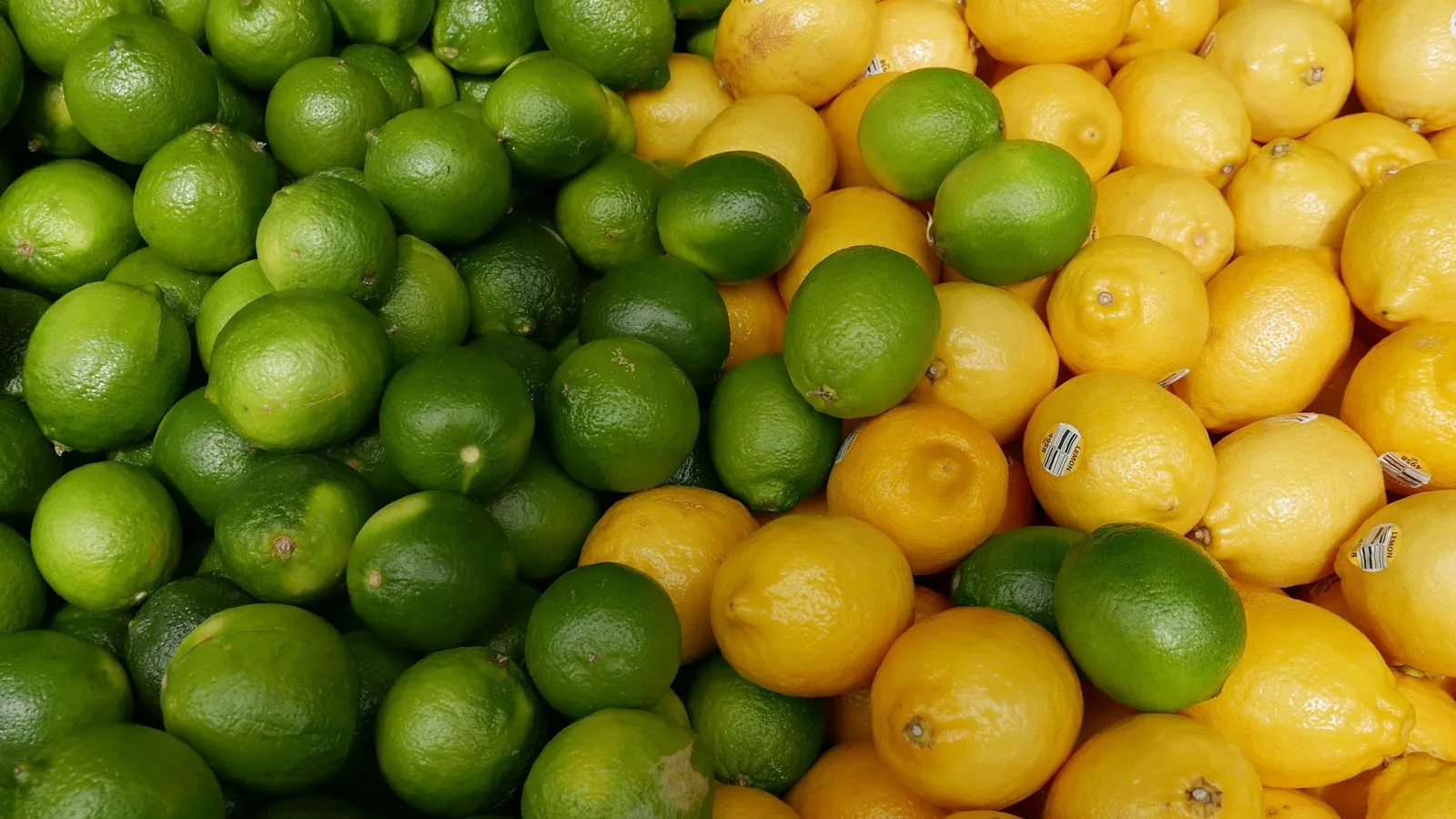
two oranges and one lemon, for six days only, when the supply ran out
a paste of garlic, mustard seed, dried radish root and gum myrrh
The citrus pair recovered fastest. Lind wrote that "the most sudden and visible good effects were perceived from the use of oranges and lemons"; one of those men was fit for duty after six days, and the other recovered well enough to nurse the rest.
How big a test was it? A worked example
Twelve patients is tiny by modern standards, and it is worth seeing why that matters. Lind did not say how he decided which man got which treatment, Milne notes. Suppose he had assigned the pairs completely at random.
Step 1: Count the ways to make pairs. The number of ways to split 12 people into 6 unlabelled pairs is 12! ÷ (2⁶ × 6!) = 479,001,600 ÷ (64 × 720) = 10,395.
Step 2: Ask about bad luck. Say two of the twelve men had the mildest scurvy. What is the chance that random allocation put both of them in the citrus group? The citrus group is one particular pair out of the C(12, 2) = 66 possible pairs, so the chance is 1 ÷ 66, about 1.5%.
Step 3: Read the result. Bad luck of that kind is unlikely but not impossible. With so few patients, one unlucky allocation could change the picture, which is why bigger trials give more trustworthy answers. Lind himself judged his twelve cases convincing, Tröhler writes, "particularly because the differences shown were so dramatic". If you want to practise this kind of counting, our guide to permutations and combinations works through the formulas.
What did he get wrong?
Here the story gets more interesting. The report of the trial takes about four pages of his 1753 book, A Treatise of the Scurvy, which runs to some 450 pages, Milne writes. Lind believed scurvy had several causes, including diet, foul air and lack of exercise. Despite the strong evidence of his own trial, Milne writes, Lind "leaves his readers confused about his recommendations". He also tried to preserve juice by boiling it down into a "rob", which was later shown to contain practically no vitamin C.
The book was still valuable in another way. Lind searched the earlier literature, found 54 books worth appraising and summarised each, which Milne calls an early example of a systematic review.
The chemistry came much later. Milne points to Frederick Gowland Hopkins's 1912 paper on "accessory food factors" as the start of the idea of vitamins. In 1937 Albert Szent-Györgyi received the Nobel Prize in Physiology or Medicine for discoveries "with special reference to vitamin C". Your NCERT Class 12 chemistry chapter on biomolecules lists vitamin C (ascorbic acid) from citrus fruits, amla and green leafy vegetables, and scurvy with bleeding gums as its deficiency disease.
What can a student take from how he worked?
Compare, do not assume. He tested six popular remedies side by side instead of trusting the most famous one. Try two revision methods on similar chapters and compare your test scores.
Hold everything else constant. Same quarters, same food. When you test a change to your routine, keep the rest steady.
Read your own results. Lind had the answer in his data but buried it. When a mock test shows a clear pattern, write it down as a plain conclusion and act on it.
Look at what others found. His review of 54 earlier books is the habit of checking the literature before deciding.
If ideas such as vitamins and deficiency diseases are hazy, the Fermi Concept Library covers every concept in physics, chemistry, biology and mathematics, each with its own lesson.
Pick one study habit you are unsure about and plan a two-week comparison with everything else kept the same.