
On this page
If you are revising the minerals chapter for a biology exam, three elements carry most of the questions: iron, iodine and calcium. Each has a main job, named deficiency conditions and a short list of foods. Here they are as plain facts, with a memory chain and self-test at the end.
What does iron do in the body?
Iron is needed to make haemoglobin and myoglobin, the proteins that carry oxygen in blood and muscle, according to MedlinePlus, the US National Library of Medicine's encyclopedia. A low iron level over a long period can lead to iron deficiency anaemia.
The World Health Organization defines anaemia as a condition in which the number of red blood cells, or the haemoglobin concentration within them, is lower than normal, and names iron deficiency as the most common nutritional deficiency leading to it. MedlinePlus lists lack of energy, shortness of breath, headache, irritability and dizziness among the symptoms, with a pale tongue and spoon-shaped nails as physical signs.
An analysis of National Family Health Survey data published in Cureus in 2024 found that anaemia among Indian adolescents aged 15 to 19 rose from 54% in NFHS-4 (2015-16) to 59.2% in NFHS-5 (2019-21).
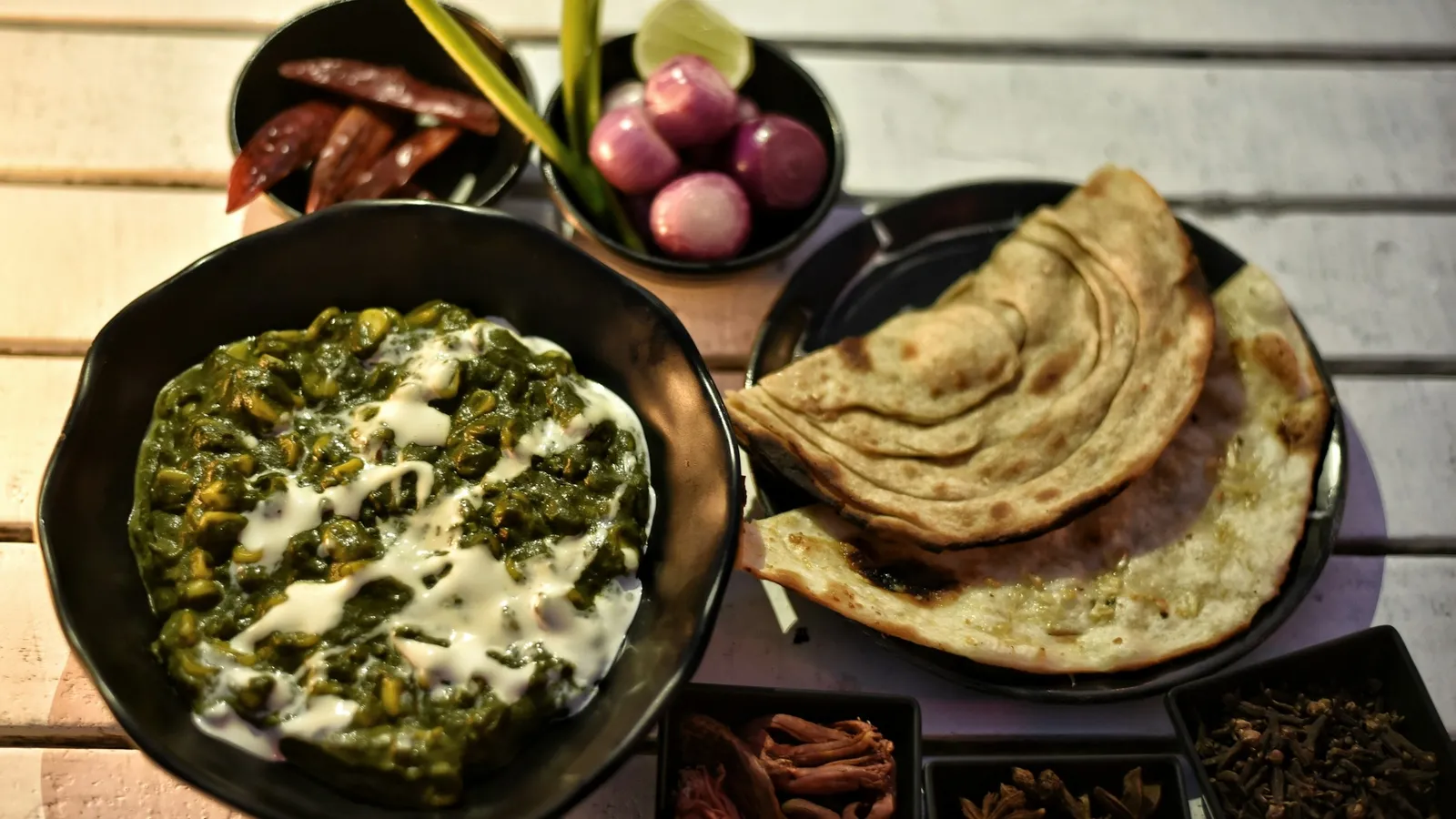
Food sources listed by MedlinePlus include dried beans, eggs, lean meat, poultry, fish, whole grains and iron-fortified cereals, with legumes, seeds and leafy greens as plant options. Iron from plants is harder to absorb, and foods rich in vitamin C, such as citrus fruits and tomatoes, increase absorption.
What does iodine do, and why is salt iodised?
Iodine is needed for normal thyroid function and to make thyroid hormones, and it helps cells turn food into energy, says MedlinePlus. Many months of low iodine may cause goitre (an enlarged thyroid gland) or hypothyroidism (an underactive thyroid). MedlinePlus adds that enough iodine may prevent cretinism, a form of physical and mental abnormality. Iodised salt is the main food source, with seafood and dairy products as others.
A review in the Indian Journal of Medical Research records that the National Goitre Control Programme began in 1962 and was renamed the National Iodine Deficiency Disorders Control Programme in 1992. A ban on selling non-iodised salt, first imposed in 1997 and withdrawn in 2000, was reinstated in 2005. The same review calls iodine deficiency disorders the single largest cause of preventable brain damage worldwide.
Iodised salt does not mean more salt. The ICMR-National Institute of Nutrition dietary guidelines say to use iodised salt and to keep added salt to a maximum of 5 g a day.
What does calcium do besides building bones?
Calcium builds bones and teeth, but MedlinePlus lists more jobs: clotting blood, sending and receiving nerve signals, squeezing and relaxing muscles, releasing hormones, and keeping a normal heartbeat. Vitamin D is needed to help the body use calcium. Dairy products are the best source, and green leafy vegetables, canned fish with bones, nuts, seeds and fortified foods also supply it. The ICMR-NIN guidelines ask families to give adequate milk, curd or yogurt to children and adolescents.
Textbooks name three bone conditions. Rickets is where a child's bones become weak and soft; in adults the same condition is called osteomalacia; both are usually caused by not getting enough vitamin D or calcium, according to the NHS. The main sign in children is bowed legs. Osteoporosis, the thinning of bone tissue and loss of bone density over time, can develop in people who do not get enough calcium over a long period (MedlinePlus).
How much of each does a teenager need?
The US reference values quoted by MedlinePlus for ages 14 to 18 are 11 mg of iron a day for boys and 15 mg for girls, 150 mcg (0.15 mg) of iodine, and 1,300 mg of calcium for ages 9 to 18. Each step down is roughly a hundredfold. India's ICMR-NIN publishes its own Nutrient Requirements for Indians; a doctor or dietitian can tell you what applies to you.
How do you remember this for the exam?
Learn each mineral as one chain, from job to deficiency to food.
Iron: haemoglobin, carries oxygen; lack causes anaemia; beans, eggs, meat, greens, plus vitamin C.
Iodine: thyroid hormones; lack causes goitre, hypothyroidism, cretinism; iodised salt, seafood, dairy.
Calcium: bones, teeth, muscles, nerves, clotting, heartbeat; lack causes rickets, osteomalacia, osteoporosis; milk, curd, greens, plus vitamin D.
Then test yourself on using the chain:
A swelling at the front of the neck in a region where non-iodised salt is common. Which mineral, and what is the condition? (Iodine; goitre.)
Why might squeezing lemon on a spinach dish help? (Vitamin C increases absorption of plant iron.)
A child eats enough calcium but rarely gets sunlight and has soft bones. What is missing? (Vitamin D, which the body needs to use calcium; the condition is rickets.)
If a link feels shaky, such as why haemoglobin needs iron at all, the Fermi Concept Library has every concept in biology with its own lesson and its place in the map. For practice, the Fermi Problem Library has worked problems with a step-by-step solver that explains the reasoning rather than printing an answer.