

On this page
Every kitchen in India runs a small separation lab: picking stones from dal, sieving flour, straining tea. Chapter 9 of Class 6 science names these methods and asks one question for each: what difference between the parts makes this work? This post lists the methods with that difference, works a seawater calculation, plans a three-step separation, and covers the common mistakes.
Where is this chapter?
"Methods of Separation in Everyday Life" is Chapter 9 of Curiosity, NCERT's Class 6 science book marked Reprint 2026-27. The chapter follows Malli and Valli on a trip across India, meeting a new method in each place.
Which method uses which difference?
Handpicking: picking out stones or husk by hand, using differences in size, colour and shape. Useful when the unwanted part is small in amount.
Threshing: beating stalks to separate grains from them.
Winnowing: letting wind or blown air carry off the lighter husk while heavier grains fall nearby.
Sieving: fine particles pass through the holes, bigger ones (bran, small stones) stay. Works when solid parts differ in size.
Evaporation: heating or sunlight removes water and leaves the dissolved solid, as when salt is made from seawater in shallow pits.
Sedimentation and decantation: the heavier insoluble part settles (sedimentation), then the liquid is poured off by tilting the vessel (decantation). Tea leaves settle; rice is washed this way.
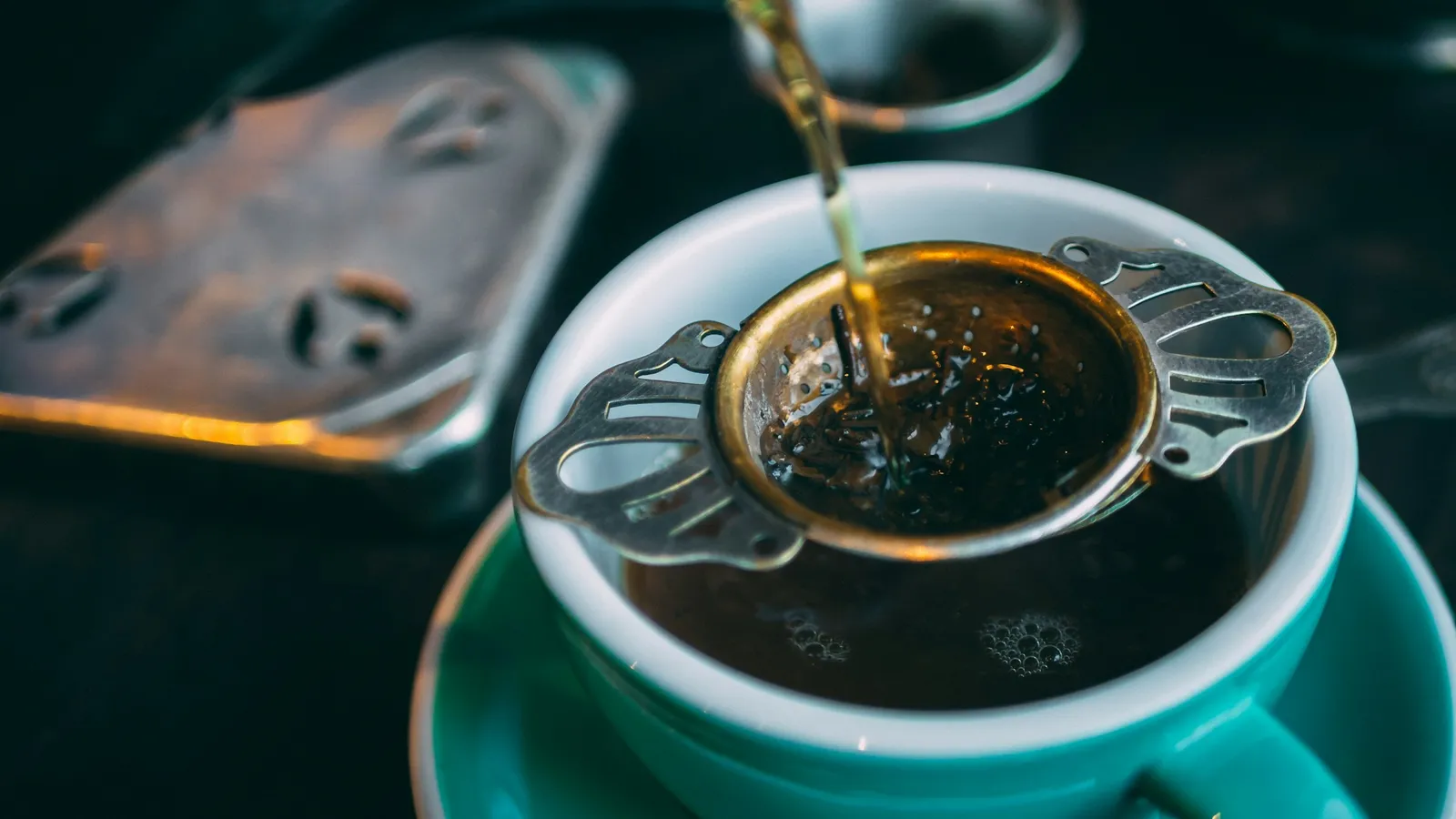
Filtration: a filter with small pores (strainer, cloth, filter paper) holds back insoluble solids. What stays on the paper is the residue; the clear liquid that passes is the filtrate.
Churning: curd is churned so lighter butter floats up, leaving buttermilk.
Magnetic separation: a magnet pulls iron nails out of sawdust. Recyclers use magnets on cranes to pull scrap iron from waste.
Worked example 1: how much salt is in seawater?
NOAA says the average salinity of seawater is about 35 parts per thousand, so about 3.5 percent of its weight is dissolved salts. How much solid would be left after evaporating 2 kg of seawater?
3.5 percent means 3.5 g in every 100 g.
2 kg = 2000 g.
Salts = 2000 × 3.5 ÷ 100 = 70 g.
So about 70 g of solid would be left. Not all of it is common salt. NOAA notes that chloride and sodium make up around 85 percent of the dissolved ions, and the chapter says the solid from salt pans needs further purification. That is why the book calls it a "solid mixture" first.
A common slip is to use 35 percent instead of 3.5 percent, which would give 700 g, about a third of the seawater. Ask whether the answer is sensible: seawater does not leave a third of its weight as salt.
Worked example 2: a three-part mixture
Exercise 9 gives a mixture of potatoes, salt and sawdust. Plan the order:
Handpick the potatoes. They are big and few.
Add water to the salt and sawdust and stir. Salt dissolves; sawdust does not.
Filter. Sawdust stays on the filter as residue; salt water passes through as filtrate.
Evaporate the filtrate. Salt is left behind.
The book's hint applies to every such question: a mixture with more than two parts needs several methods, and the order matters. If you evaporated first, salt and sawdust would stay mixed.
Which mistakes cost marks?
"Decantation separates completely." The chapter shows a few tea leaves still slip through; that is why we use a strainer.
"Filtration can remove dissolved salt." Filters hold back insoluble solids only.
"Sieving separates rice flour from water." Sieving is for solid-solid mixtures that differ in size.
Mixing up threshing (grain from stalks) and winnowing (grain from husk).
"Oil and water can be filtered." They form layers, so let them settle and pour off the top layer.
Forgetting that the book's muddy-water story boils the water as well as filtering it before drinking.
A one-week practice routine
Day 1: List every separation you see at home in one day and name its method.
Day 2: Dissolve salt in water, spread drops on dark paper and let them dry, as in Activity 9.2.
Day 4: Plan, in writing, how to separate iron nails, sand, salt and water (a version of the chapter's "Think like a scientist" task).
Day 7: Close the book and write all nine methods with the difference each uses. Recall helps more than rereading: students who tested themselves remembered more a week later than those who re-read.
If "solution", "residue" or "filtrate" is still unclear, the Fermi Concept Library covers every concept in physics, chemistry, biology, mathematics and computing. Magnetic separation uses ideas from exploring magnets, and evaporation comes from states of water.
Tonight, strain your tea and name the residue and the filtrate out loud.


