

On this page
A Thing of Beauty is a short Flamingo poem in Class 12 English Core, so it is easy to underrate. The lines are dense and the words old (“bower”, “pall”, “brake”). Here is the meaning, the themes, the speaker and questions in the current board format.
What is A Thing of Beauty about?
The poem is the opening of Endymion: A Poetic Romance by John Keats, printed in London in 1818, according to the Project Gutenberg text of the first edition. Keats lived from 1795 to 1821, as the Academy of American Poets page for the poem records. In the 1818 text, the opening verse paragraph runs 24 lines, from “A thing of beauty is a joy for ever” to “Pouring unto us from the heaven’s brink.”
Here is the summary in our own words.
A beautiful thing gives joy that lasts. Its loveliness grows and never fades into nothing.
Like a quiet shelter (a “bower”), it gives us sleep full of sweet dreams, health and quiet breathing.
So every day we weave a “flowery band” that ties us to the earth, despite sadness, a lack of noble people, gloomy days and dark paths.
Still, some shape of beauty lifts the dark cloth (“pall”) off our spirits.
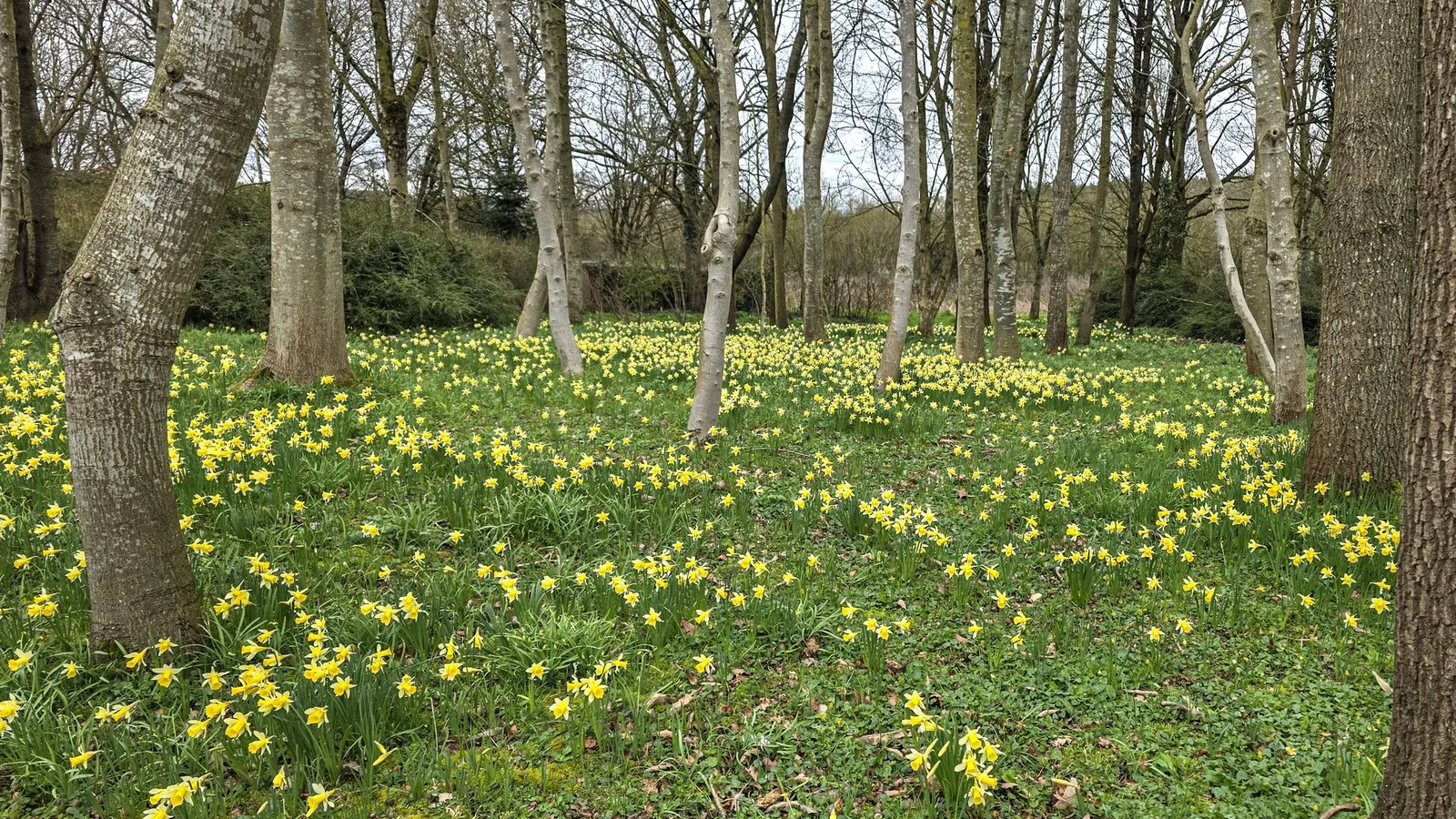
Keats lists these shapes: the sun and moon, trees shading sheep, daffodils in their green world, streams that keep cool in summer, and thickets sprinkled with musk-roses.
Beauty also lives in the grand fates we imagine for the great dead, and in every lovely story we have heard or read.
All of it is “an endless fountain of immortal drink” poured on us from heaven.
What are the themes of A Thing of Beauty?
Beauty is permanent. Its loveliness “increases” instead of wearing out. Use the first three lines as evidence.
Beauty heals. It keeps “a bower quiet for us”, with sweet dreams, health and quiet breathing: mind and body together.
Beauty against suffering. The poem names “despondence” and “gloomy days”. Beauty does not remove them; it helps us bear them. This contrast is the heart of most long answers.
Nature and art are both sources. The list moves from flowers to tales of the “mighty dead”; a story counts as much as a daffodil.
Beauty is a gift. The closing fountain pours from heaven’s brink: we receive beauty.
Who is the speaker, and are there characters?
There is no character in the usual sense, so a “character sketch” question really asks about the speaker. The voice says “we” and “us”, standing for all people. It is hopeful but not naive: it names grief and “o’er-darkened ways” before offering comfort. The other presences are nature and the “mighty dead” of old stories.
Describe the speaker with three adjectives and a quoted word each: hopeful (“joy for ever”), realistic (“despondence”), grateful (“immortal drink”).
What questions come in the board exam from A Thing of Beauty?
The CBSE English Core syllabus for 2026-27 lists A Thing of Beauty among the prescribed Flamingo poems. One poetry extract, chosen from two, from Flamingo carries 6 marks. Short answers from Flamingo prose and poetry take 40-50 words each, five out of six, for 10 marks. One long answer from Flamingo prose or poetry, in 120-150 words, carries 5 marks.
Practise these:
Short answer: How does a thing of beauty help us despite our troubles?
Short answer: What image does Keats use for the bond that ties us to the earth, and why?
Short answer: Why does Keats call beauty “an endless fountain of immortal drink”?
Long answer: “Beauty does not remove sorrow; it makes sorrow bearable.” Discuss with reference to the poem.
Worked example for question 1: A thing of beauty gives lasting joy that grows instead of fading. Even when life brings despondence, gloomy days and a lack of noble people, some shape of beauty, such as the sun, trees or daffodils, lifts the “pall” from our spirits and gives us peace and hope.
The pattern is the claim, two quoted words, a concrete example and the effect.
How should you revise this poem in one week?
Day 1: read the poem aloud twice; write the seven-point summary from memory.
Day 2: find one quotation for each theme.
Day 3: mark every figure of speech; our guide to checking figures of speech in NCERT poems shows how to catch wrong labels.
Day 4: answer questions 1-3, timed.
Day 5: write the long answer.
Day 6: check any online summary against the text, line by line, using how to spot invented details in a chapter summary.
Day 7: do one extract under exam time and mark it yourself.
The steps in how to write a poem appreciation still work in Class 12. If English revision is squeezing your science, Fermi’s AI tutor works out what you already know and builds a plan for the session, so you sit down to a clear next step.


