On this page
If you like biology and keep reading about growing new tissue or repairing organs, stem cell research can look like a dream job. It is a real career in India, but it looks different from the headlines. Most of it happens at a lab bench, over years, and the road runs through research degrees rather than a single entrance exam.
What do stem cell scientists actually study?
The Indian Council of Medical Research defines stem cells as cells that can renew themselves and also act as a lifelong source of specialised cells for different organs (ICMR, Evidence Based Status of Stem Cell Therapy for Human Diseases, 2021). The same report explains that some organs, such as skin, blood and liver, can often regenerate, while nerve cells in the brain and spinal cord have limited or no capacity to do so. Research that tries to restore an organ's form and function from stem cells or tissue engineering is called regenerative medicine.
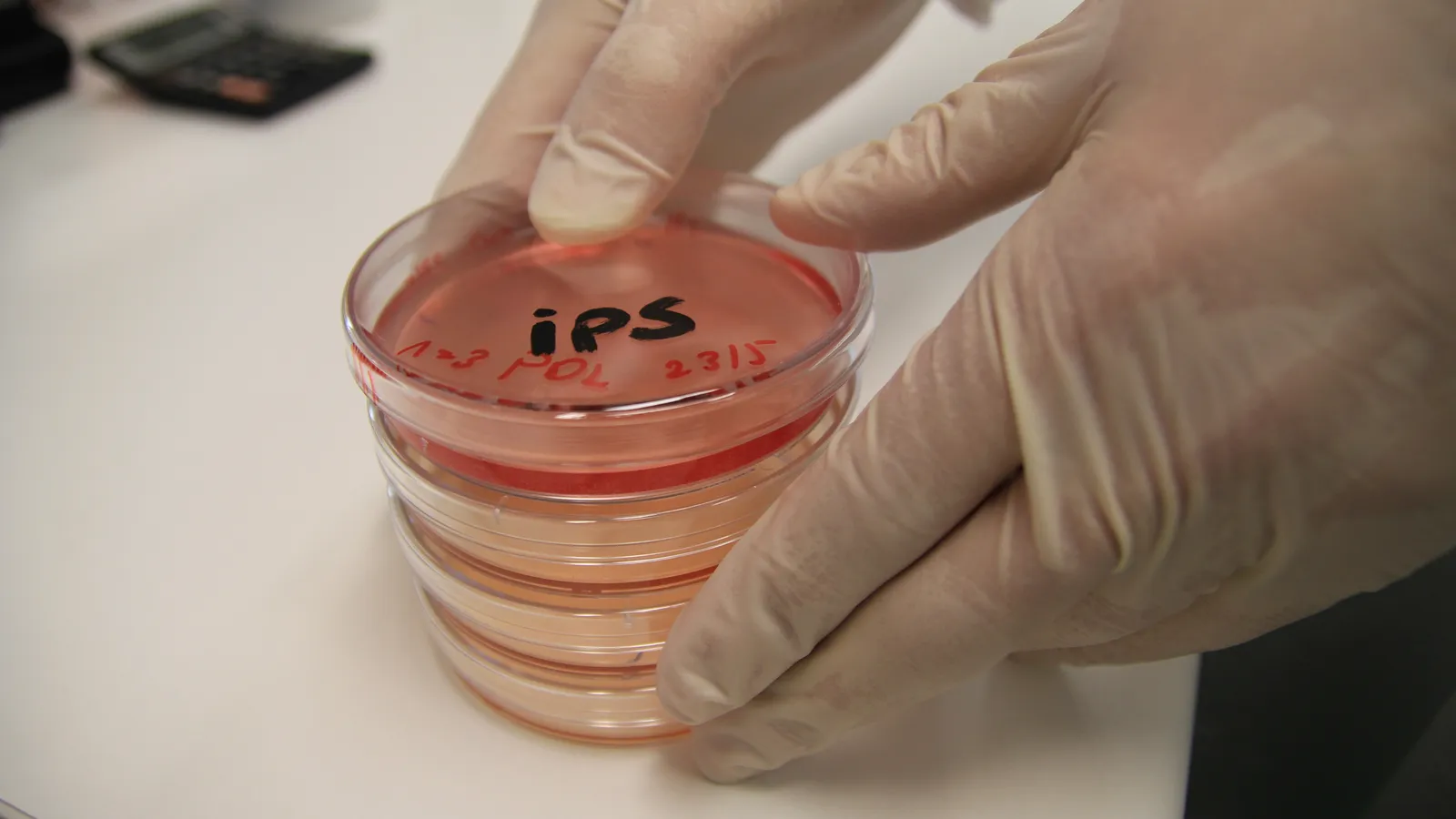
A landmark result shows what lab work in this field looks like. In 2006, Kazutoshi Takahashi and Shinya Yamanaka reported in Cell that adding four factors (Oct3/4, Sox2, c-Myc and Klf4) to mouse connective-tissue cells called fibroblasts turned them into cells that behaved like embryonic stem cells, which they named induced pluripotent stem (iPS) cells (Takahashi and Yamanaka, Cell, 2006). When the cells were transplanted under the skin of mice, they formed growths containing tissues from all three germ layers. That is Class 12 genetics and development, pushed to the frontier.
That warning matters for your career too. The same ICMR report notes that India has issued national guidelines on stem cell research since 2007, with the most recent in 2017. Honest work in this field means slow, careful science under those rules.
What is the path into stem cell research in India?
There is no single route, but most researchers follow the same broad steps:
Undergraduate degree in a science such as biology, biotechnology, biochemistry or zoology.
Master's degree in a basic or life science.
A national research exam or fellowship, which funds your PhD.
PhD in a lab that works on stem cells, development or tissue repair.
Postdoctoral work, then a scientist's post in a research institute, university, hospital research unit or company.
Here is what one specialist institute asks for. The PhD programme at BRIC-inStem, the Institute for Stem Cell Science and Regenerative Medicine in Bengaluru, says candidates typically need a Master's degree in any basic science discipline and must have qualified in a national-level exam such as CSIR NET, UGC, DBT-BET, INSPIRE or ICMR (inStem PhD programme page). Shortlisted students are interviewed, then complete coursework and a comprehensive exam on fundamental biology and framing research questions. The same page lists two intakes a year, in August and January. Rules change, so always check the current notice on an institute's own site.
What does lab work in a stem cell lab look like?
Most of the day is careful, repeated handwork. A typical week might include:
Growing cells in sterile conditions and feeding them fresh culture medium
Checking cells under a microscope to see if they look healthy or have changed type
Running tests to measure which genes or proteins the cells are switching on
Keeping a detailed lab notebook so anyone could repeat what you did
Reading papers and presenting results to your lab group
Experiments fail often. If you enjoy precision and puzzling out why something did not work, you may like this more than you expect.
How can a school student start now?
You do not need a lab to begin. Use this plan across Class 11 and 12:
Build the base. Cell biology, genetics, molecular biology and development carry the field. Chemistry matters too, because cells run on it. If a chapter feels shaky, the Fermi Concept Library has every concept in biology and chemistry with its own lesson, so you can fill gaps one idea at a time.
Read one real paper. Open the abstract of the Takahashi and Yamanaka paper above. Underline every word you do not know and look each one up.
Ask a scientist a small question. Some researchers reply to short, specific emails, so keep yours brief. Here is a script you can adapt:
"Dear Dr ___, I am a Class 12 student interested in stem cell biology. I read your lab's work on ___ and wanted to ask: what did you study in your undergraduate years that helped you most? Thank you for your time."
Pick degrees with research in mind. Choose colleges where undergraduates can work in labs during holidays.
If you are not sure where to begin, Fermi's AI tutor can work out what you already know and build a plan for the session, so you sit down to a clear next step in biology.