

On this page
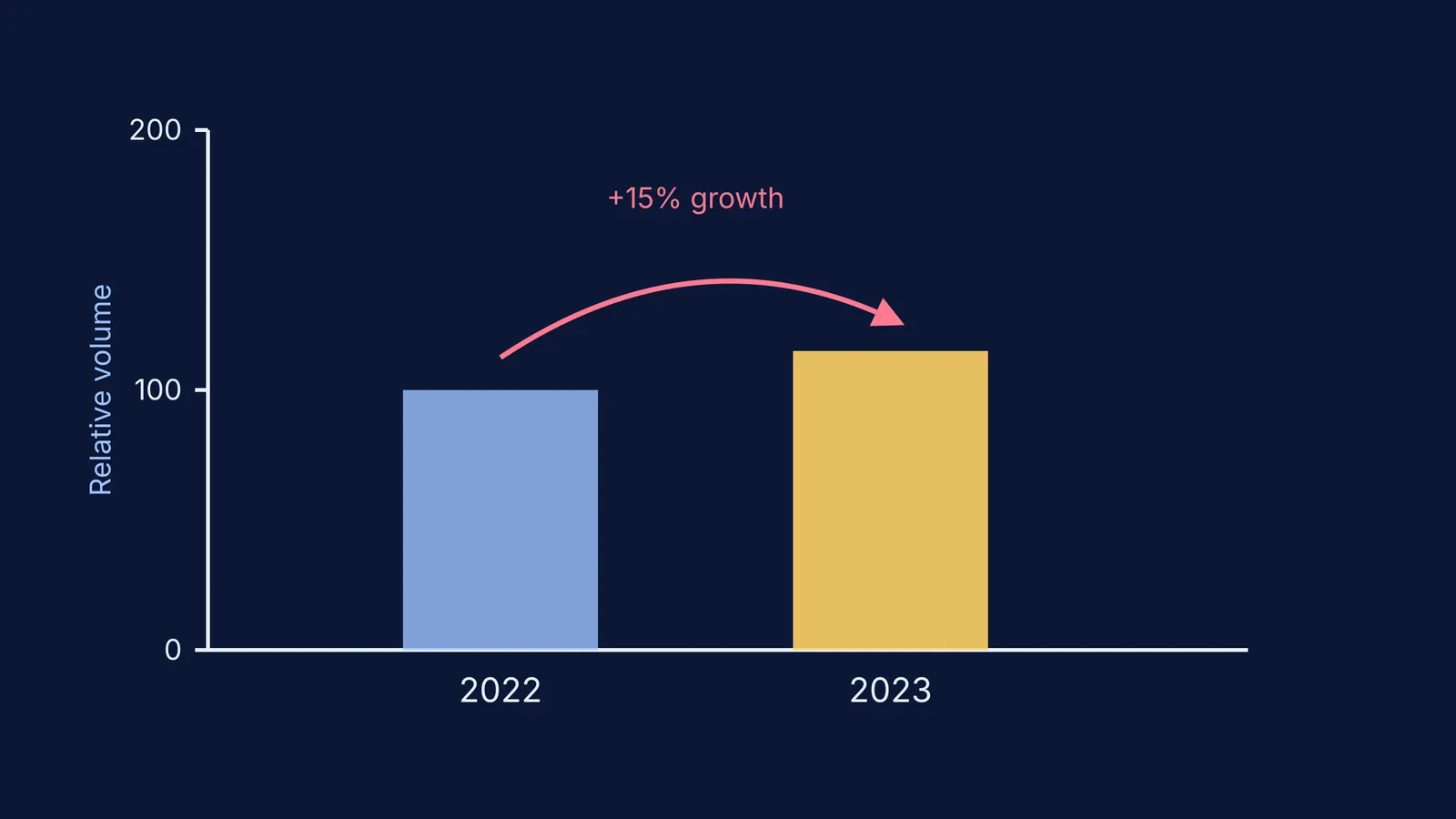
The job market for environmental science in India is undergoing a major transition. Driven by government mandates and corporate net-zero targets, sustainability is no longer just a corporate social responsibility function—it is a core business requirement. According to the LinkedIn Global Green Skills Report 2023, green job postings in India grew by 15% year-on-year, with green talent hired at a rate 29% higher than the overall workforce.
For students and their parents, this means environmental science is now a stable, high-growth career path rather than a niche passion project. The surge in demand is creating lucrative roles across policy, research, consulting, and field engineering.
What are the main environmental science career options in India?
Graduates in this field can work across several different domains, each demanding a specific focus and skill set.
Corporate and ESG consulting: Large companies are actively hiring Environmental, Social, and Governance (ESG) analysts and sustainability managers. These professionals measure carbon footprints, manage waste reduction, and audit supply chains to ensure compliance with the Securities and Exchange Board of India's (SEBI) new reporting laws.
Government and regulatory roles: State and central boards employ environmental scientists to enforce pollution laws and monitor ecosystems. Forest officers and wildlife biologists work extensively in conservation and land management.
Engineering and technical field roles: Environmental engineers design and run wastewater treatment plants, air pollution control systems, and renewable energy grids. Understanding the science behind these systems, such as sewage treatment and BOD, is a core part of the job.
Research and academia: Research institutions investigate climate change models, new green technologies, and biodiversity. Their work informs both national policy and global science, often building on the foundational work of pioneers like Ruth Patrick and her use of diatoms to measure river health.
Which degrees lead to an environmental science career?
Your educational path depends on whether you lean towards pure science, engineering, or corporate policy.
The Science Route: A B.Sc. in Environmental Science (usually three years) covers ecology, pollution chemistry, and earth systems. Topics you study in school, such as biological magnification of pesticides, form the bedrock of this degree. However, to qualify for most scientific roles, a Master's degree (M.Sc.) is necessary. For example, the Central Pollution Control Board (CPCB) requires a Master's Degree in Environmental Sciences or Chemistry for its entry-level Scientist 'B' positions.
The Engineering Route: A four-year B.Tech in Environmental Engineering, Civil Engineering, or Chemical Engineering focuses on practical, large-scale solutions. Engineers typically work on the design and operational side of sustainability, such as building green infrastructure and industrial scrubbers.
The Management Route: For those interested in the corporate side, an MBA in Sustainability Management or a postgraduate diploma in environmental law bridges the gap between business and ecology.
What skills do you need to succeed?
Employers are shifting from seeking general environmental awareness to demanding specific execution skills. Technical abilities like carbon accounting, life cycle assessment (LCA), and geographic information systems (GIS) are highly sought after. In addition, professionals must understand regulatory frameworks and environmental chemistry.
If you are preparing for these degrees, you need a strong grasp of the foundational sciences. You can master the underlying concepts in physics, chemistry, and biology using the Fermi Concept Library, which offers a lesson for every concept and its place in the map. When you are stuck on complex numericals, such as those in physical chemistry or thermodynamics, the Fermi Problem Library provides worked problems with a step-by-step solver that explains the reasoning rather than printing an answer.
How do you transition from a different field?
You do not always need a dedicated environmental degree to enter the green economy. Because sustainability touches every sector, there is a growing demand for professionals who can combine environmental science with other disciplines.
Data scientists are needed to model climate risk, chemical engineers are essential for developing green hydrogen technologies, and financial analysts are required for green investing. Many professionals successfully enter the field by completing specialized certifications in ESG reporting or environmental auditing on top of their existing engineering or science qualifications.


