

On this page
When you hear about engineering, you might first picture software, circuits, or bridges. But as populations grow and the climate shifts, the infrastructure that keeps our air breathable and our water clean is under strain. According to a 2023 report from the World Health Organization, 2.2 billion people worldwide lacked safely managed drinking water services in 2022. Solving problems of this scale is the work of environmental engineers.
Environmental engineering is an interdisciplinary branch that draws on chemistry, fluid mechanics, and biology to design systems for water treatment, pollution control, and waste management. It is a field that has evolved from basic compliance to leading the charge on the circular economy and climate technology.
What do you study in the environmental engineering branch?
The standard B.Tech curriculum in India covers a broad mix of sciences. A typical AICTE model syllabus requires around 160 credits over four years. Because the environment is a complex system, you will take foundational courses across multiple disciplines before specializing.
Key areas of study include:
Water and wastewater engineering: Designing supply systems, intake structures, and understanding the stages of sewage treatment and BOD.
Air and noise pollution: Studying the sources of emissions and the technologies used to scrub industrial exhaust.
Environmental chemistry and biology: Learning how chemical kinetics and microorganisms break down waste, and tracking issues like biological magnification: how pesticides build up, Class 10.
Solid waste management: Managing municipal, hazardous, and electronic waste (e-waste), from collection to landfill design.
What are the main jobs and career paths?
The demand for environmental engineers is growing steadily. The US Bureau of Labor Statistics projects a 6% job growth for environmental engineers from 2025 to 2035, which is faster than the average for all occupations. The median pay in 2025 was $107,110 per year.
Graduates usually move into one of these core sectors:
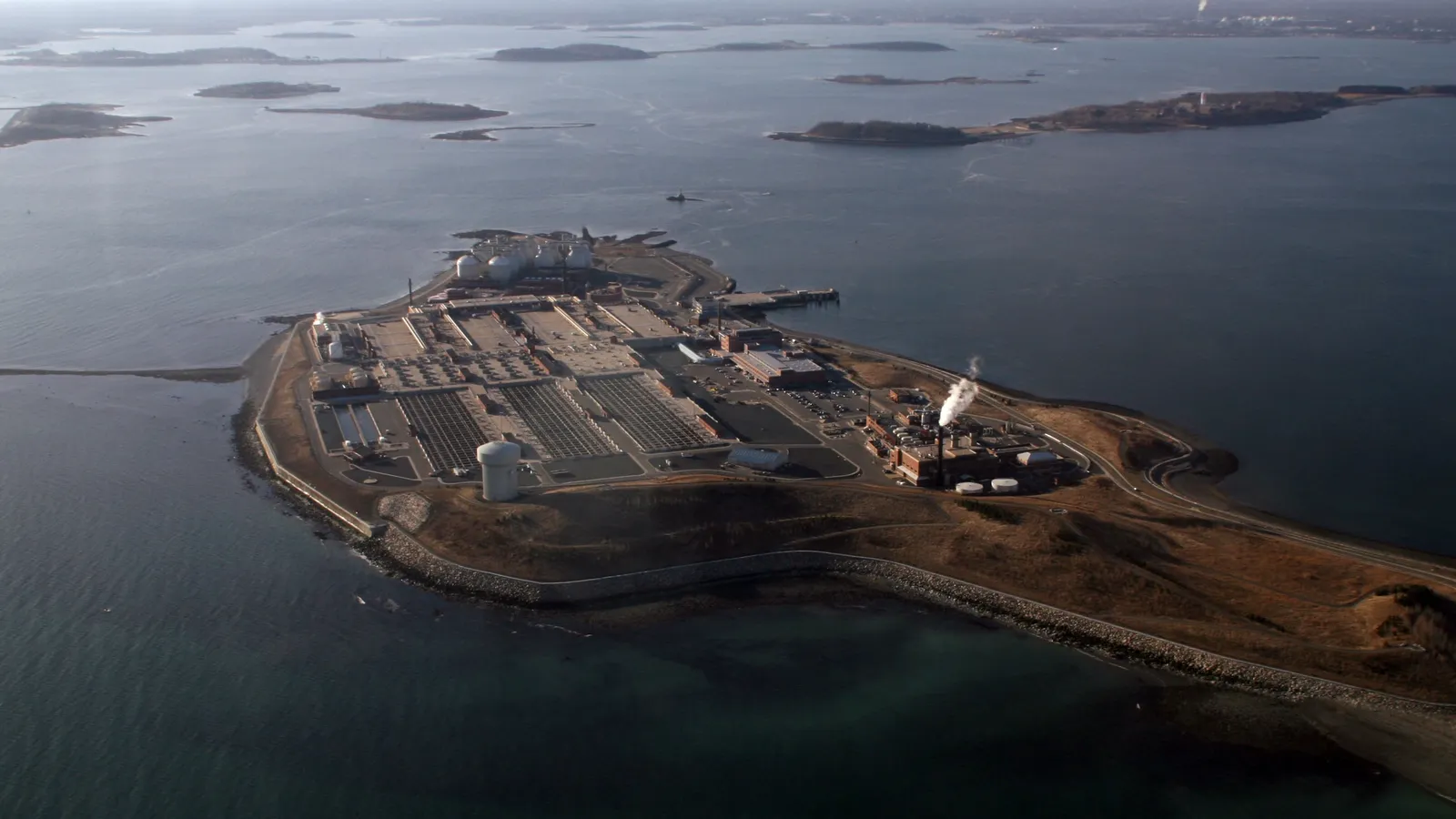
Water treatment and pollution control: Engineers design and run Sewage Treatment Plants (STP) and Effluent Treatment Plants (ETP) for cities and large industries. They ensure that discharged water meets safety standards.
Sustainability consulting: Many corporations hire environmental consultants to conduct Environmental Impact Assessments (EIAs) for new projects, such as dams or highways, and to help track and reduce their carbon footprints.
Public sector jobs: Government bodies are major employers. In India, the Central Pollution Control Board (CPCB) and state equivalents regularly hire graduates for technical roles. For example, the entry-level Scientist 'B' post begins at Level 10 of the government pay matrix (starting at ₹56,100 basic pay) and involves monitoring environmental quality and enforcing regulations.
Is environmental engineering right for you?
Choosing a branch is a heavy decision. If you are weighing environmental engineering against other fields like civil or chemical engineering, use this quick checklist to see if it aligns with your goals:
You prefer physical reality over virtual products: You want to build tangible systems like filtration plants or air scrubbers, rather than spending your day purely writing code.
You enjoy applied chemistry and biology: The field requires a solid grasp of how chemicals interact with ecosystems. If you liked learning about the contact process for sulphuric acid or the carbon cycle, you will use those principles often.
You want a balance of field and office work: The role involves designing systems at a desk, but also visiting sites to take soil or water samples and oversee plant operations.
You are interested in public sector stability: The branch offers clear pathways into government roles and regulatory boards.
If you find yourself stuck on the foundational science while preparing for these courses, the Fermi Concept Library maps out every concept in physics, chemistry, and biology. When you need to practice fluid mechanics or chemical kinetics, the Fermi Problem Library provides a step-by-step solver that explains the reasoning rather than just printing an answer.
Environmental engineering is not just about protecting nature; it is about designing the infrastructure that allows human progress to continue safely.


