On this page
You do not need to be a hacker to break India's cyber laws. Logging into a friend's Instagram as a joke, making a fake account in a teacher's name, or forwarding an edited photo of a classmate can each fall under the Information Technology Act, 2000. This guide walks through the offences students can stumble into, what the Act says about each, and what to do if you are already caught up in one. It explains the law in general terms; for a specific case, talk to a lawyer.
What counts as cyber crime in India?
Cyber crime is an offence where a computer, phone or network is the tool or the target. The National Crime Records Bureau counts cyber crimes as those "involving communication devices as medium/target", and it recorded 101,928 such cases in 2024, according to a Ministry of Home Affairs reply published by PIB. Of those, 36,920 were recorded under "computer related offences", which is also the title of section 66 of the IT Act.
The sections below are the ones that can catch ordinary teenagers out.
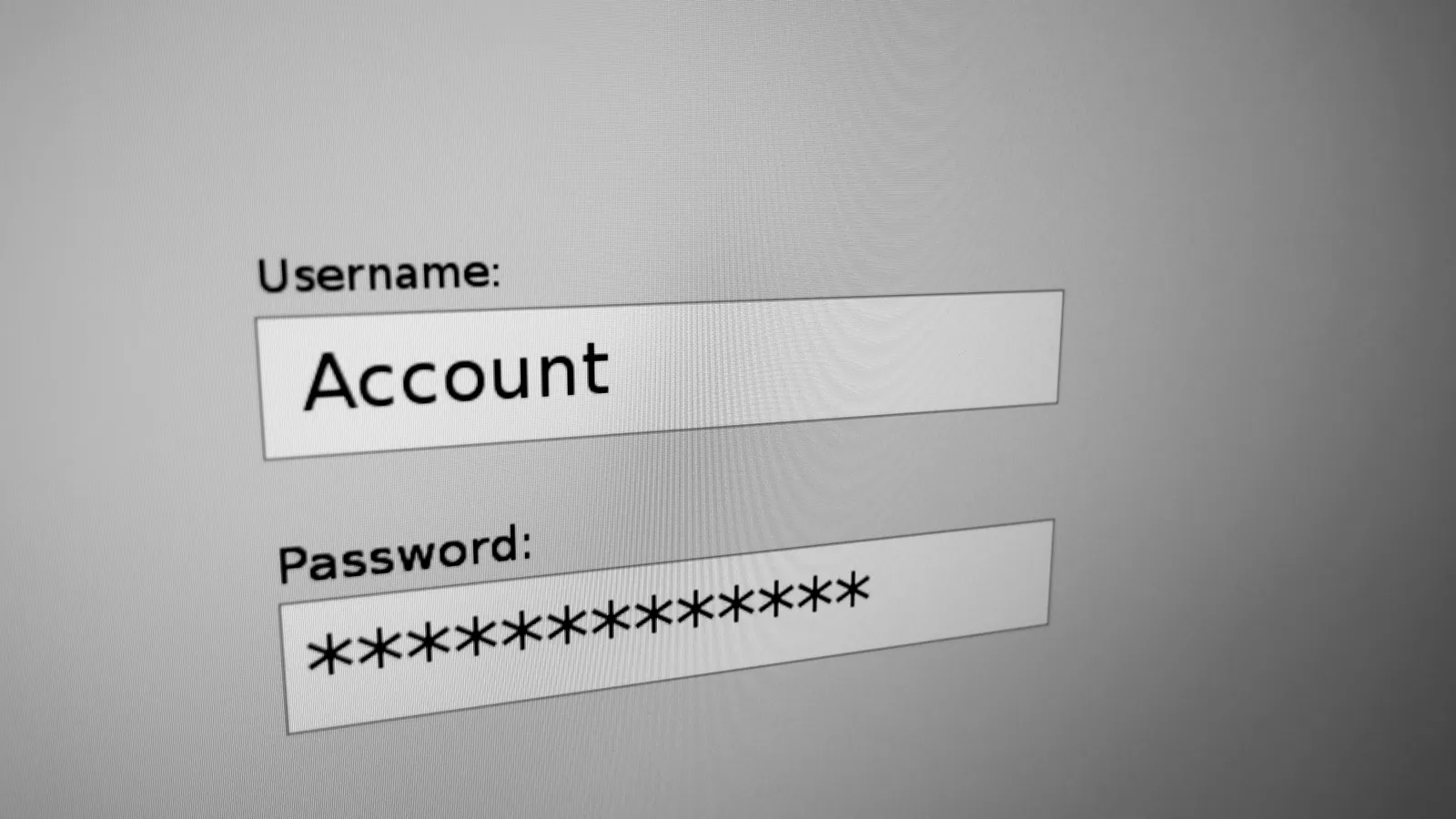
Is it a crime to use someone else's password?
It can be. Section 43 of the IT Act covers anyone who gets into a computer, phone or network "without permission of the owner", and section 66 makes that a criminal offence, with up to three years in prison or a fine of up to five lakh rupees, when it is done dishonestly or fraudulently.
Section 66C, identity theft, is more specific: fraudulently or dishonestly using another person's password, electronic signature or "any other unique identification feature" is punishable with up to three years in prison and a fine of up to one lakh rupees.
Notice the words "dishonestly or fraudulently". Your cousin giving you the Wi-Fi password is not a crime. Logging into a friend's account after they have told you to stop, reading their messages, or posting as them is where the risk starts.
Is a fake or parody account illegal?
Section 66D punishes anyone who "cheats by personation" using a phone or computer, with up to three years in prison and a fine of up to one lakh rupees. Personation means pretending to be someone else. A fake profile of a classmate that sends messages they never wrote, or a "teacher" account that tricks students into sharing details, fits the pattern. The cheating part matters: people believe it really is that person and act on it.
What does the law say about morphed photos?
Morphing means editing someone's face or body into another picture, which AI apps now make easy. Three sections of the Act can apply:
Section 66E: capturing, publishing or transmitting an image of a person's private area without their consent, up to three years in prison or a fine of up to two lakh rupees. Transmit means sending it so that someone sees it.
Section 67A: publishing or transmitting sexually explicit material, up to five years in prison and a fine of up to ten lakh rupees on a first conviction.
Section 67B: the same for material showing children, where children means anyone under 18, also up to five years on a first conviction. It also covers anyone who collects, downloads or exchanges such material, not only the person who made or posted it.
Forwarding an explicit morphed image of a classmate in a group chat is not just passing it on; under the Act, forwarding is transmitting. If you receive one, do not forward it, even to show an adult. Tell the adult and let them see it on your phone. Our guide on talking to your teen about AI-edited photos of classmates has words parents can use.
What should you do if you are already involved?
Whichever side you are on, act today:
Stop. Delete the fake account you made, log out of the other person's account, stop forwarding.
If you are the target, do not delete what was sent to you. Take dated screenshots of the messages, profile links and usernames.
Tell a parent or a teacher you trust now, not after it spreads.
Report it on the National Cyber Crime Reporting Portal or the national cyber crime helpline, 1930. Our step-by-step guide to reporting cybercrime in India shows what to keep ready, and what counts as cyberstalking in India covers repeated online harassment.
If any of this is making you anxious or you feel you cannot cope, talk to someone now. Tele MANAS, the government's free mental health helpline, is on 14416.
Sometimes a shared login starts with one study app split between friends. If you want help with a topic on your own account, Fermi's AI tutor works out what you already know and builds a plan for the session, so there is no reason to borrow anyone's.