

On this page
Every year, as students move into Class 11 and start attending evening coaching classes, a familiar negotiation begins. The coaching centre is far, public transport is crowded, and the teenager wants to ride a scooter. It seems like a practical solution to save time, especially when you see other children doing it. However, the legal and safety realities of underage riding in India require careful consideration before handing over the keys.
What do Indian traffic rules say about teenagers driving?
The rules around underage driving are often misunderstood. Under Section 4 of the Motor Vehicles Act, 1988, a person who has turned 16 can obtain a learner's licence, but only for a motorcycle without gear with an engine capacity not exceeding 50cc (Indian Kanoon).
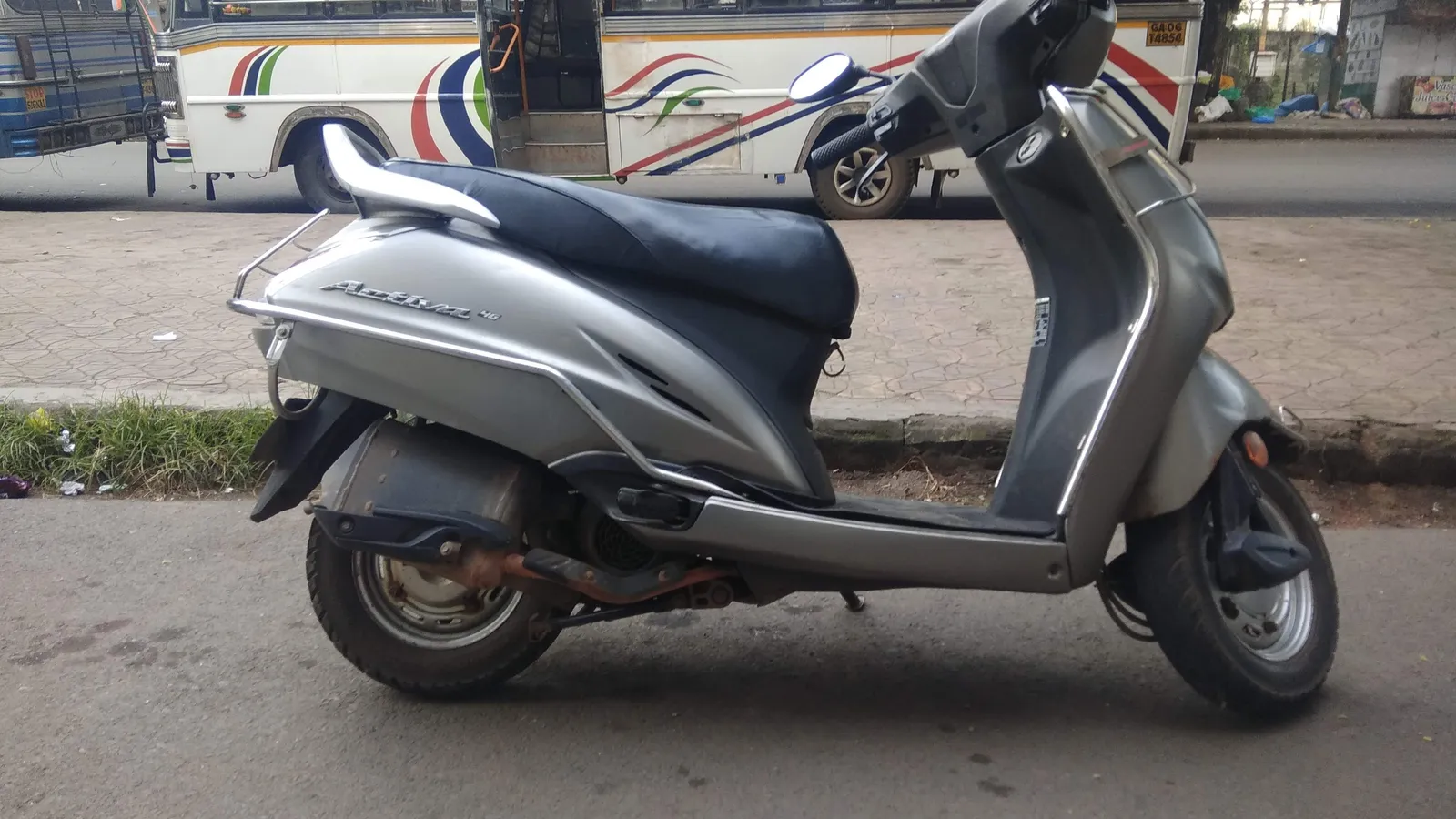
This 50cc limit is the crucial detail. Almost all popular scooters on Indian roads today, such as the Honda Activa or TVS Jupiter, have engine capacities of 100cc or more. Therefore, a 16-year-old cannot legally ride them. Riding a standard scooter requires the rider to be 18 years old and possess a full licence.
Even for electric scooters, the rules are strict. Only low-speed electric scooters—those with a motor power under a specific wattage and a very low top speed limit—are exempt from licence requirements. Anything faster is treated as a standard motor vehicle. If a minor is caught riding a regular scooter, the parents or the vehicle owner can face heavy fines and severe legal action under the amended Motor Vehicles Act, 2019.
The penalties for parents are steep. The guardian or vehicle owner can face imprisonment, significant financial penalties, and the cancellation of the vehicle's registration. In addition, the minor becomes ineligible to apply for a driving licence until they are much older. The law presumes the minor used the vehicle with the guardian's consent unless proven otherwise, placing the responsibility squarely on the parents.
What are the safety risks of the coaching commute?
The commute to coaching often happens during peak traffic hours or late in the evening when visibility is low. This exposes inexperienced riders to high-risk environments. The Ministry of Road Transport and Highways (MoRTH) report "Road Accidents in India 2022" recorded 9,528 fatalities among minors, accounting for 6% of all road deaths that year (MoRTH).
Two-wheelers offer very little protection in a crash compared to closed vehicles. According to the same MoRTH report, the non-use of helmets led to 50,029 deaths in 2022, which is nearly 30% of total road accident fatalities. Even a minor slip on a busy road can result in severe head and bodily injuries. The pressure to reach class on time, combined with youthful impulsiveness, can lead to speeding or reckless overtaking, significantly compounding these physical risks on poorly lit roads.
Handling the "everyone else is driving" argument
When you say no, your teenager will inevitably point out classmates who ride to the centre every day. This peer pressure is powerful, but it does not change the law or the physics of an accident.
Acknowledge their desire for independence and their frustration. You can say, "I know it feels unfair when your friends are riding, but my job is to keep you safe, and riding a 100cc scooter at your age is against the law." Consistency is important; giving in occasionally undermines the rule. If the conversation becomes tense, our guide on how to talk to your teenager about marks without a fight offers useful techniques for de-escalating conflicts that apply just as well to driving rules.
Finding safer alternatives for the commute
If the distance to the coaching centre is the main issue, look for practical alternatives that do not compromise your child's safety or break the law.
Carpools: Organise a carpool with parents of other students who live nearby. This shares the burden and ensures the children travel in a much safer vehicle.
Public transport: Metro trains or local buses are safer and much more predictable, though they may take slightly longer.
Dedicated transport: Some coaching institutes offer their own van or bus services for students travelling from far away.
If a daily commute of two hours in heavy traffic is the only reason they go to a coaching centre for doubt-clearing, you might reconsider the setup. An alternative is Fermi's AI tutor, which teaches, explains and works through problems alongside the student from home, saving the commute entirely. For more on evaluating these choices, read our breakdown of coaching, online classes or self-study for JEE: how to decide.
Ultimately, saving twenty minutes on a commute is never worth the risk of an underage road accident or the heavy legal penalties. Hold firm on the safety rules and help your child plan their travel time better.


