

On this page
A teenager preparing for board exams, JEE Main or NEET-UG can sit for ten hours and barely notice. Classes, coaching, self-study and a phone at the end of it leave very little time for anything else. You don't need a fitness plan or a lecture to change that. You need a few small habits that fit around the timetable they already have.
How much movement does a teenager need?
The World Health Organization's 2020 guidelines say children and adolescents aged 5 to 17 benefit from an average of 60 minutes a day of moderate-to-vigorous physical activity across the week. The same guidelines recommend that all age groups cut down on sedentary time, such as long stretches of sitting.
Most teenagers don't get there. A pooled analysis of 298 school-based surveys from 146 countries, published in The Lancet Child & Adolescent Health, found that 81% of students aged 11 to 17 were insufficiently active in 201630323-2). Girls were less active than boys: 84.7% of girls fell short, against 77.6% of boys.
The 60 minutes is an average across the week, so a quieter day can be balanced by a more active one. A brisk walk, the stairs and a weekend game of badminton all add to it.
Does a short walk actually help with studying?
The research is more modest than the headlines, but it points the same way.
In a small study of 20 children aged about nine, Charles Hillman and colleagues found that 20 minutes of moderate treadmill walking was followed by better accuracy on an attention task and better scores on an academic achievement test than a session of rest.
Marily Oppezzo and Daniel Schwartz at Stanford found that walking raised the scores of 81% of participants on a creative idea-generation test, but of only 23% on a test with one right answer. Some of the boost remained when people sat down again shortly afterwards.
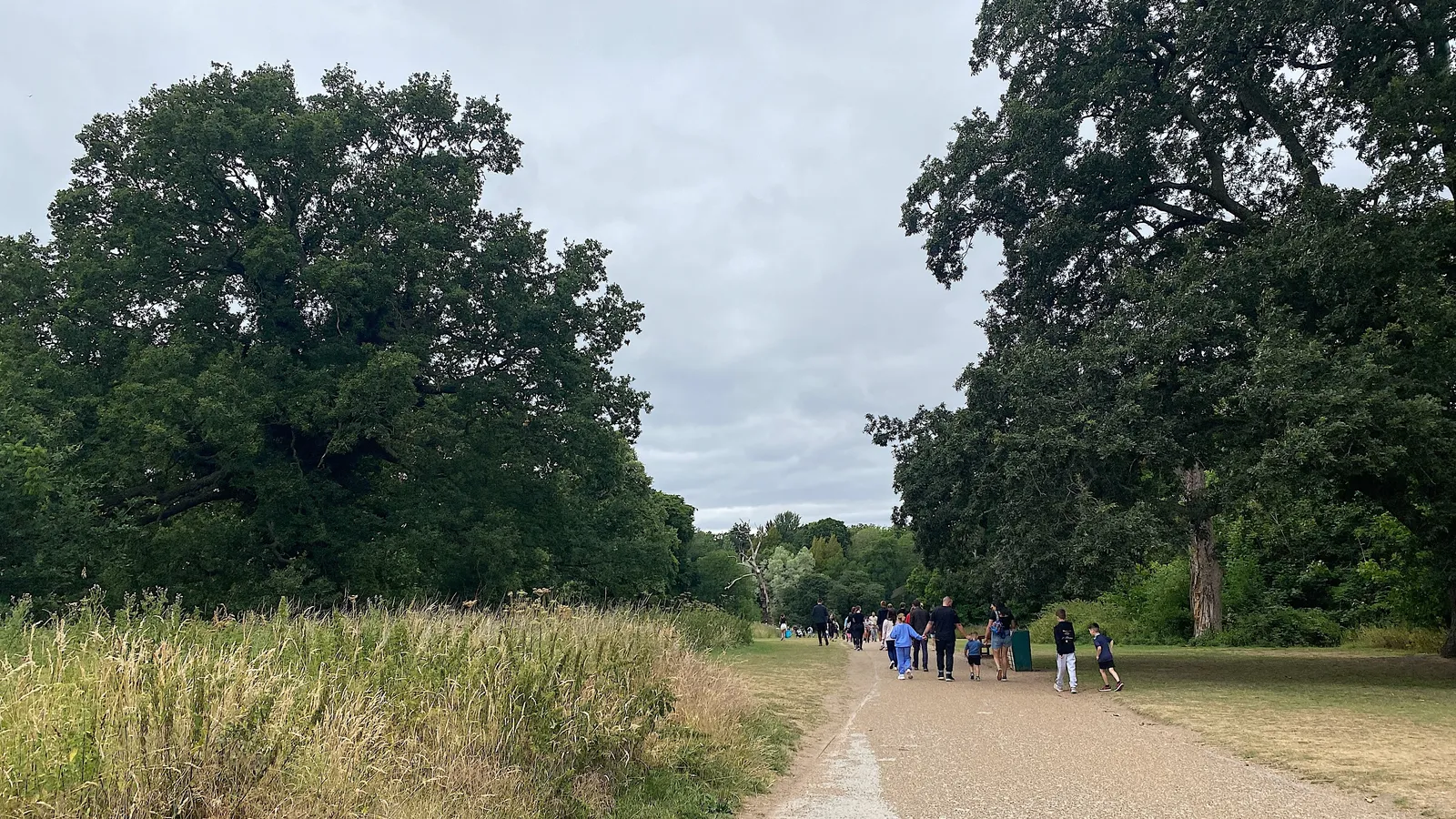
In two experiments, Marc Berman, John Jonides and Stephen Kaplan found that walking in nature improved directed attention more than walking in a busy urban setting.
The honest reading is that a walk is a good break: it can freshen attention and loosen a stuck idea. It isn't a shortcut to marks. For a wider look at the reviews, see our post on whether exercise helps students learn.
How do I get my teenager to move without nagging?
Teenagers often push back against advice about their health. They are more willing to do something that feels like a break, involves you, or has a purpose. A few principles:
Join in, don't assign. "Come with me" works better than "You should go for a walk."
Attach it to something that already happens: after dinner, before the evening study block, after a mock test.
Give it a job. Buying milk, dropping a parcel at the post office or walking a younger sibling to tuition all count as movement.
Keep marks out of it. A walk that turns into a talk about scores won't happen again.
Let them choose. Music, a friend, cricket in the lane or skipping on the terrace are all fine.
Here is a script you can try:
"I'm going to walk to the market for vegetables. Twenty minutes. Come along? You can pick the route, and we won't talk about studies."
If the answer is no, leave it and ask again tomorrow. Asking without pressure is what matters.
What does a study day with movement look like?
Here is one example for a Class 12 student studying at home on a holiday or weekend. Adjust it to your family's timetable.
7:00 A ten-minute walk or terrace stretch before breakfast, ideally in daylight.
9:00 to 12:30 Study blocks of about 50 minutes. Between them, stand up, refill water, do a lap of the house or two flights of stairs.
13:00 After lunch, a short errand on foot instead of a delivery app.
16:30 A 20-minute break outdoors: a walk in the park, a game in the lane, or cycling.
20:30 A family walk after dinner.
That adds up to roughly an hour of moving, spread through the day and mostly fitted into breaks and meals rather than study blocks. Our post on what to do in a study break has more ideas for the gaps between blocks.
The walk is also a good time to think over a problem that wouldn't come out at the desk. If it still won't budge afterwards, the Fermi Problem Library has worked problems with a step-by-step solver that explains the reasoning rather than printing an answer.
When is it more than needing a walk?
Sometimes a teenager won't move because they are exhausted, low or anxious, not because they're lazy. If you notice them withdrawing, sleeping badly or losing interest for weeks, talk to a doctor or counsellor. Our guide to exam stress and when to get help covers the signs. India's free, 24-hour Tele MANAS helpline is 14416.
For most families, though, the first step is small: ask your teenager to come out for a walk with you this evening.


