

On this page
In Class 7, the NCERT science syllabus shifts significantly from simply observing the natural world to understanding complex, invisible systems. Instead of just naming the basic parts of a plant, students are expected to learn how the xylem transports water against gravity. Instead of merely knowing that a physical switch turns on a light, they must draw abstract circuit diagrams and understand the flow of current. The curriculum introduces foundational concepts in physics, chemistry, and biology that will carry them all the way through their secondary education.
For many parents, this academic transition can be intimidating. You might feel you need to relearn physics or biology to adequately help your child with their evening homework. But research shows that acting as a subject-matter tutor is not the best way to support a middle school student. You can guide them effectively without knowing the answers.
Why does direct homework help backfire?
When children reach middle school, they are in a crucial phase of developing the academic autonomy they need for high school and higher education. Hovering over their desk, monitoring every calculation, or immediately correcting every mistake can actively undermine this independence. If a parent jumps in to solve a problem the moment a child gets stuck, the child learns to rely on that external intervention rather than trusting their own reasoning and resilience. Over time, this decreases their confidence when facing exams or independent assignments.
The most effective home support looks less like formal teaching and more like supportive coaching. The OECD PISA 2022 results revealed that students whose parents regularly ate a main meal with them and talked about their school day scored 16 to 28 points higher in mathematics. Consistent engagement, emotional support, and a general interest in their daily life matter significantly more than your specific subject expertise in science.
How to read the NCERT science chapter together?
You do not need to understand the entire chapter on light, heat, or cellular respiration to help your child process the material. When they bring home a reading assignment, sit down with them and look at the structure of the NCERT text before they dive into the dense paragraphs.
Read the section headings first to map out exactly what the chapter covers.
Scan the pages for bold terms or highlighted definitions, and ask your child what they mean in their own words.
Review the "What you have learnt" summary box typically found at the end of the chapter before they start answering the exercises.
This deliberate scaffolding helps them build a mental map of the topic before they get bogged down in the minute details. It teaches them how to study actively, rather than just passively reading words on a page.
How to help without giving the answers?
When your child is stuck on a difficult question, your natural instinct is likely to give them the answer so they can finish their work and move on to other activities. Instead, your goal should be to prompt them to find the answer themselves.
Try using this simple three-question script:
"Can you show me where this topic was covered in your textbook?"
"Have you solved a similar problem or done a similar experiment in class today?"
"What do you think is the very first step you need to take?"
If they are still stuck and you cannot help them find the path forward, this is where Fermi's AI tutor can step in. Rather than just printing the final answer and ending the struggle prematurely, Fermi works out what the student already knows, builds a plan for the session, and teaches through it—deciding whether to explain, ask, or show the next step.
How to check science diagrams for accuracy?
Class 7 science relies heavily on visual learning and spatial reasoning. A great way to check their homework without needing to grade complex mathematics or read through long explanatory paragraphs is to look critically at their drawn diagrams.
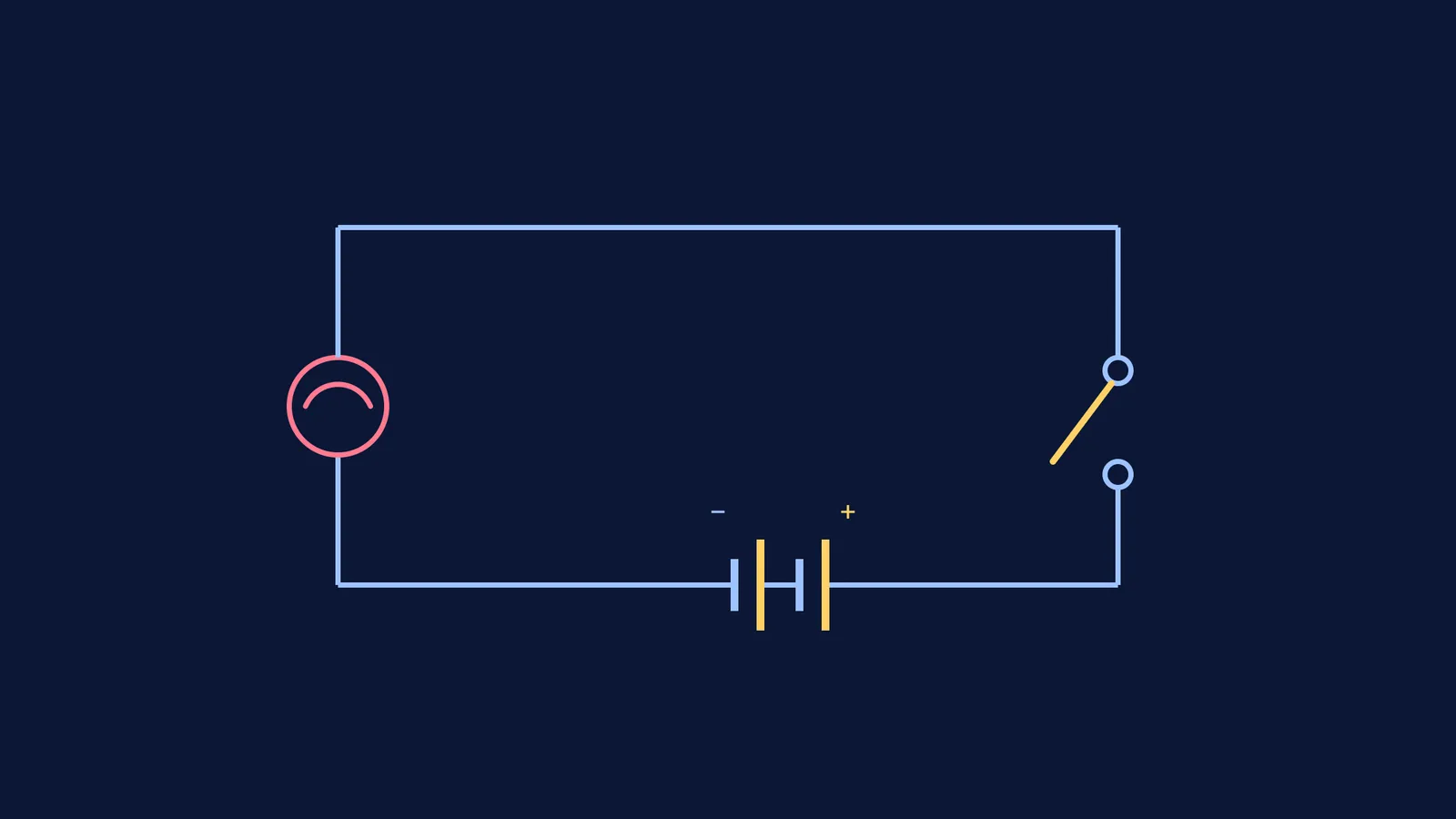
If they have drawn an electrical circuit, check that the connecting lines are straight and the switch is clearly depicted as open or closed. If they have sketched the human digestive system, ask them to trace the physical path of food with their finger. You do not need to know the name of every enzyme or organ; you only need to ensure they have labelled their drawing clearly and can confidently explain what the image shows.
By deliberately shifting your role from an answer-provider to a curious, engaged observer, you help your child build the robust problem-solving habits they will need for high school, university, and beyond.


