On this page
When your teenager suddenly asks for a specific, expensive brand of shoes or a bag, it rarely means they just need new clothes. More often, it is about fitting into a group. The request can cause friction at home, especially when the price tag goes far beyond what the family usually spends.
Why does the pressure to fit in hit teenagers so hard?
Adolescence is a time when the opinions of friends matter more than anything else. A 2019 Pew Research Center study found that 29% of U.S. teens feel "a lot" of pressure to look good, and 28% feel a lot of pressure to fit in socially. For many teenagers, this social pressure is a dominant force in their daily lives, driving their desire to own the same items as their peers.
The desire for a ₹10,000 pair of sneakers is rarely about the quality of the shoe. It is a way for a teenager to signal that they belong. Dismissing the request as shallow misses the point: to them, the social reward of wearing the right brand feels urgent and necessary. The teenage brain is wired to seek social acceptance, making the pain of being left out feel incredibly sharp.
How should you handle the request for expensive brands?
When your child asks for something expensive, giving a flat "no" shuts down the conversation. It leaves them feeling misunderstood and leaves you dealing with resentment, a dynamic often seen when parents cross the line between high expectations vs pressure in academics. Instead, separate the underlying need from the specific want.
First, validate their feelings. You might say, "I see that everyone is wearing these shoes, and I understand why you want them." Acknowledging the pressure they feel takes the fight out of the conversation.
Next, ask them why this specific brand is important to them. Listen without interrupting. Sometimes, just having their feelings heard is enough to reduce the intensity of the demand.
How can setting a budget teach them the value of money?
Once you have acknowledged the want, bring the conversation back to family budgets. Be clear about what you are willing to spend on a normal pair of shoes or a bag.
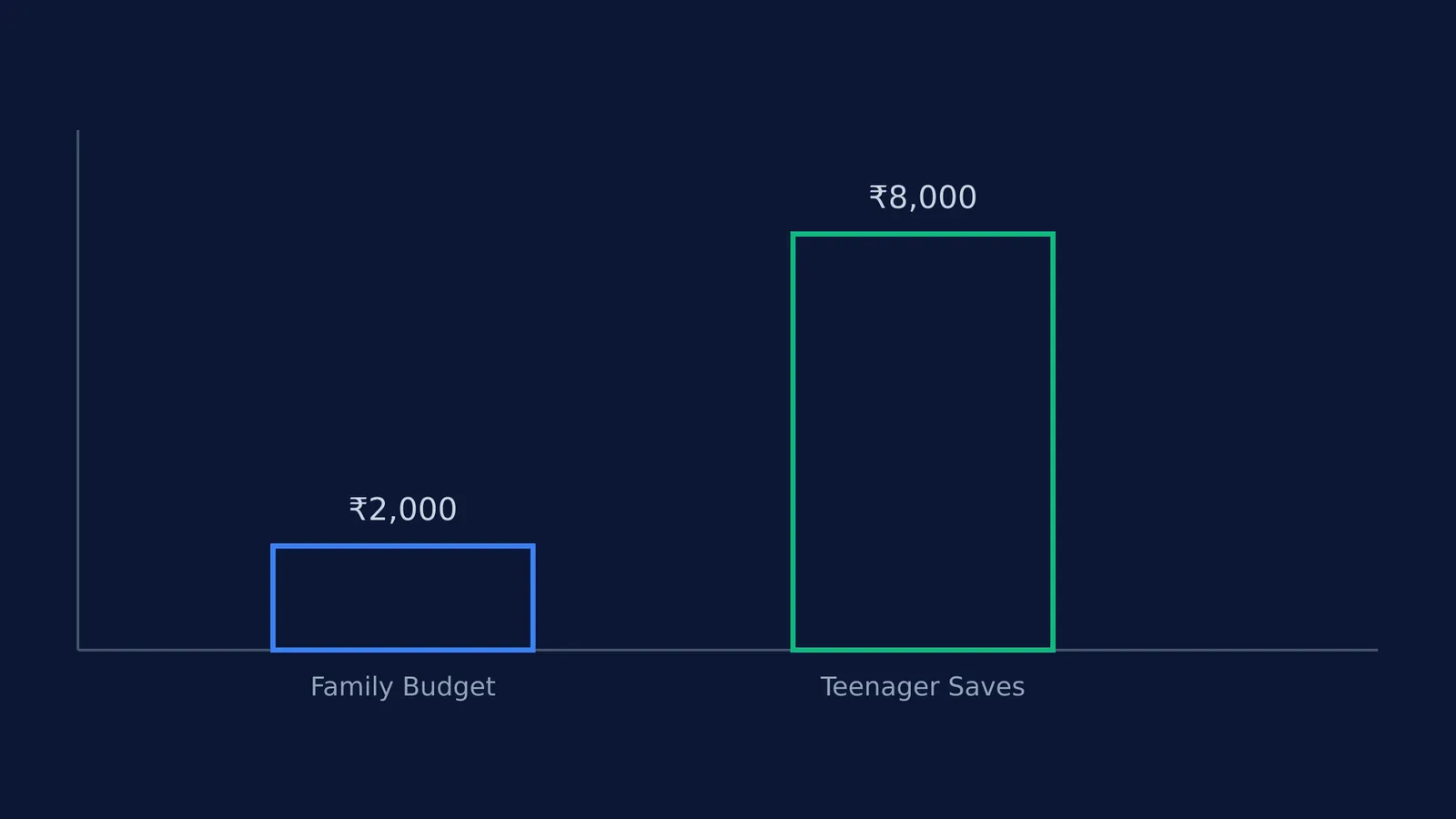
Offer to contribute that base amount. For example, if you normally spend ₹2,000 on school shoes, offer the ₹2,000. Tell your teenager that they are welcome to have the branded item, provided they can earn or save the difference. This shifts the dynamic completely: you are no longer the barrier to what they want, but a partner offering a starting point, which is just as important as knowing how to talk to your teenager about marks without a fight.
When they have to earn the extra ₹8,000 through chores, a part-time job, or saving their allowance, they begin to weigh the true cost of the brand. Often, the urge to buy the item fades once they realise how many weeks of saving it requires.
A script for the conversation
If you are not sure how to start, try a script like this:
Acknowledge: "I know those shoes are really popular right now, and they look great."
Set the boundary: "Our family budget for shoes this term is ₹2,000."
Offer the choice: "I can give you the ₹2,000 to buy a different pair, or you can use it towards the expensive ones and save up the rest yourself."
Building independence and long-term values
Learning to save up and plan for a purchase is a crucial step towards independence. It teaches teenagers that they can achieve what they want, provided they put in the effort. It also opens up a larger conversation about how marketing works and how companies create artificial urgency.
You can apply this same principle of guided independence to other parts of their life, such as their schoolwork. When they get stuck on a difficult physics concept, handing them the final answer does not help them learn. In contrast, Fermi's AI tutor works out what they already know and builds a plan for the session, so they sit down to a clear next step. In both saving for a purchase and studying for an exam, the goal is to equip them with a plan rather than just giving them the result.
By setting a budget and letting them cover the rest, you give them a clear next step. You respect their desire to fit in, while teaching them the financial reality of those choices.