

On this page
As the Class 12 board exams approach, the pressure to choose a definitive career path reaches its peak. Relatives, teachers, and peers constantly ask students what they plan to do next. For a teenager who genuinely does not know, this can be an incredibly isolating and stressful experience. Many parents worry that their child's indecision is a sign of lack of ambition, but in reality, it is a very common developmental stage.
Is it normal to be undecided at this age?
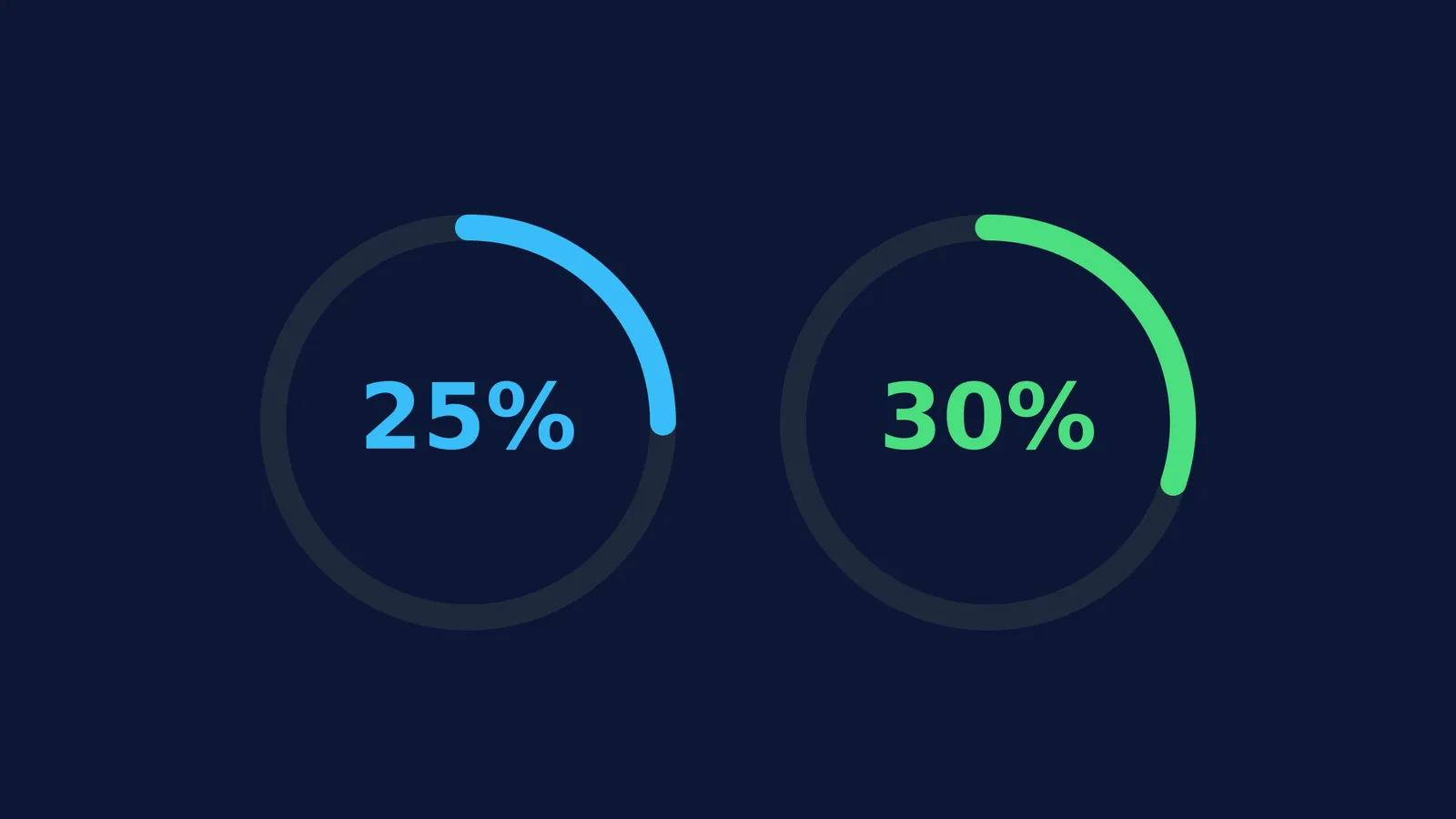
If your child is struggling to commit to a single path, they are in good company. According to the OECD's Dream Jobs report, roughly 25% of 15-year-old students are unable to name a specific career goal. The modern job market is vast and rapidly changing, making it nearly impossible for a teenager with limited real-world exposure to confidently pick a profession they will stick with for the next forty years.
Instead of viewing this uncertainty as a problem to be solved immediately, it is more helpful to view it as a period of necessary exploration. The goal at 17 or 18 is not to lock in a final destination, but to choose a starting direction that offers room to grow and pivot as they learn more about themselves and the world.
How can they explore subjects they actually enjoy?
When a student is stuck on the big "career" question, shift the focus back to their immediate interests. Ask them which subjects they genuinely enjoy studying right now, regardless of what job it might lead to. Do they love the logic of mathematics? Are they fascinated by how the human body works in biology?
By focusing on subjects rather than job titles, you remove the pressure of a lifelong commitment. If they are interested in science but unsure about becoming a doctor or an engineer, you might find our guide on talking about STEM careers beyond engineering and medicine helpful. It can open their eyes to fields like bioinformatics, environmental science, or data analytics that they may not have considered.
To help them explore, encourage active learning. If they are struggling to picture abstract ideas in physics or chemistry, they can try the Fermi Simulation Lab to see if hands-on, visual learning sparks a deeper interest. Sometimes, a subject only becomes engaging when a student can finally see how it works in practice.
Why keep degree options wide open?
If your child is still unsure by the time college applications are due, the best strategy is to choose a broad, foundational degree. Degrees in pure sciences (like a B.Sc. in Physics or Chemistry), mathematics, or liberal arts provide strong analytical skills that are valued across dozens of industries.
It is also reassuring to know that early decisions are rarely final. A report by the National Center for Education Statistics (NCES) found that about 30% of undergraduate students change their major at least once within three years of enrollment. The report notes that students who start in STEM fields actually change majors at a higher rate (35%) than non-STEM majors (29%).
This data proves that changing course is a normal part of higher education. Parents often worry when your child's career choice differs from yours, but being overly rigid early on can trap a student in a field they ultimately dislike.
Where is a good place to start?
If your teenager is overwhelmed and does not know where to start studying, sitting down to a blank page can increase their stress. In these moments, structured guidance makes a huge difference. Fermi's AI tutor can work out what you already know and build a plan for the session, giving students a clear next step without the pressure of a looming career decision.
Ultimately, the best way to support a confused Class 12 student is to give them permission to be undecided. Encourage curiosity, keep their academic options as broad as possible, and reassure them that their career will be a journey of discovery, not a single decision made at age eighteen.


