On this page
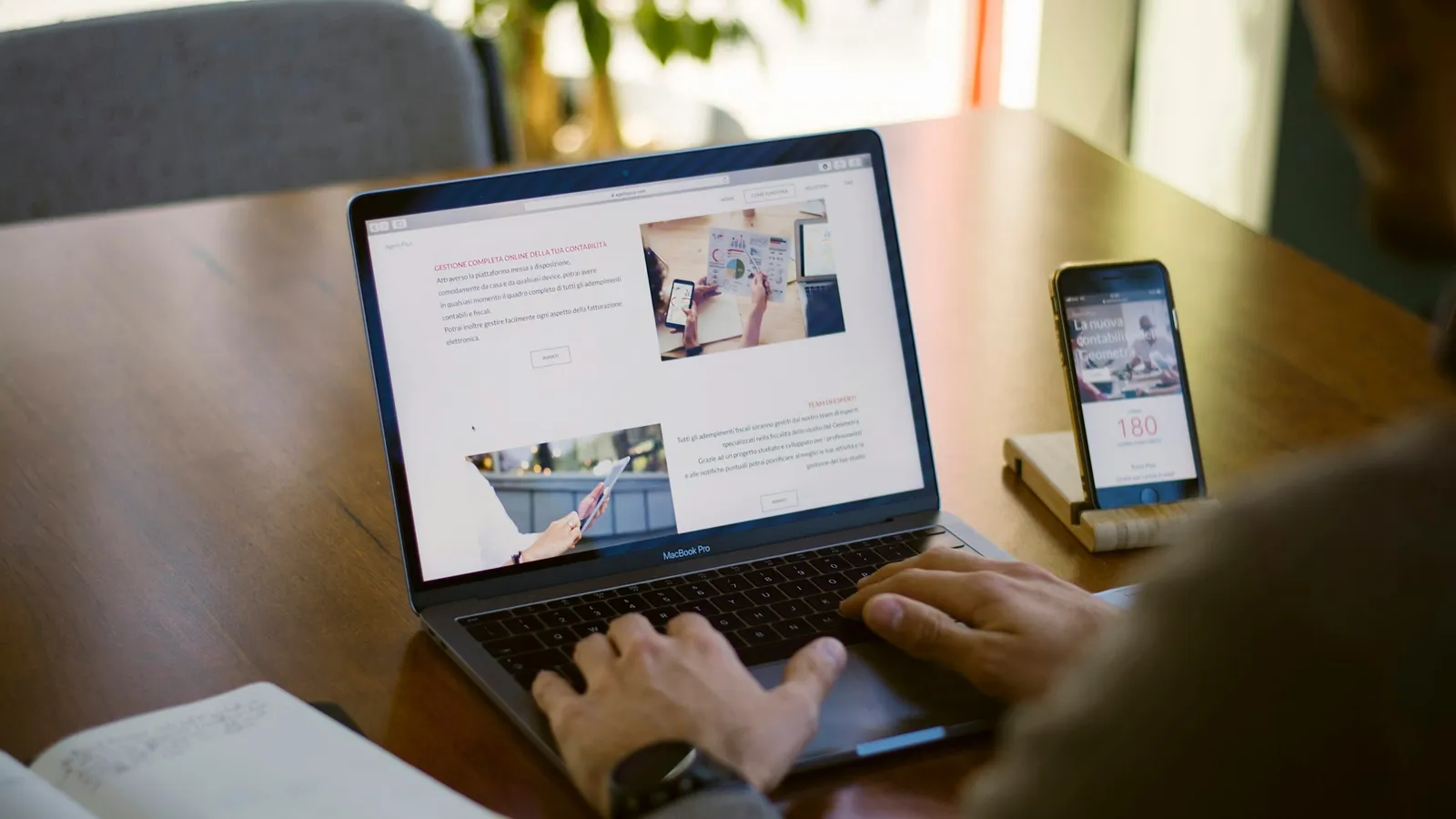
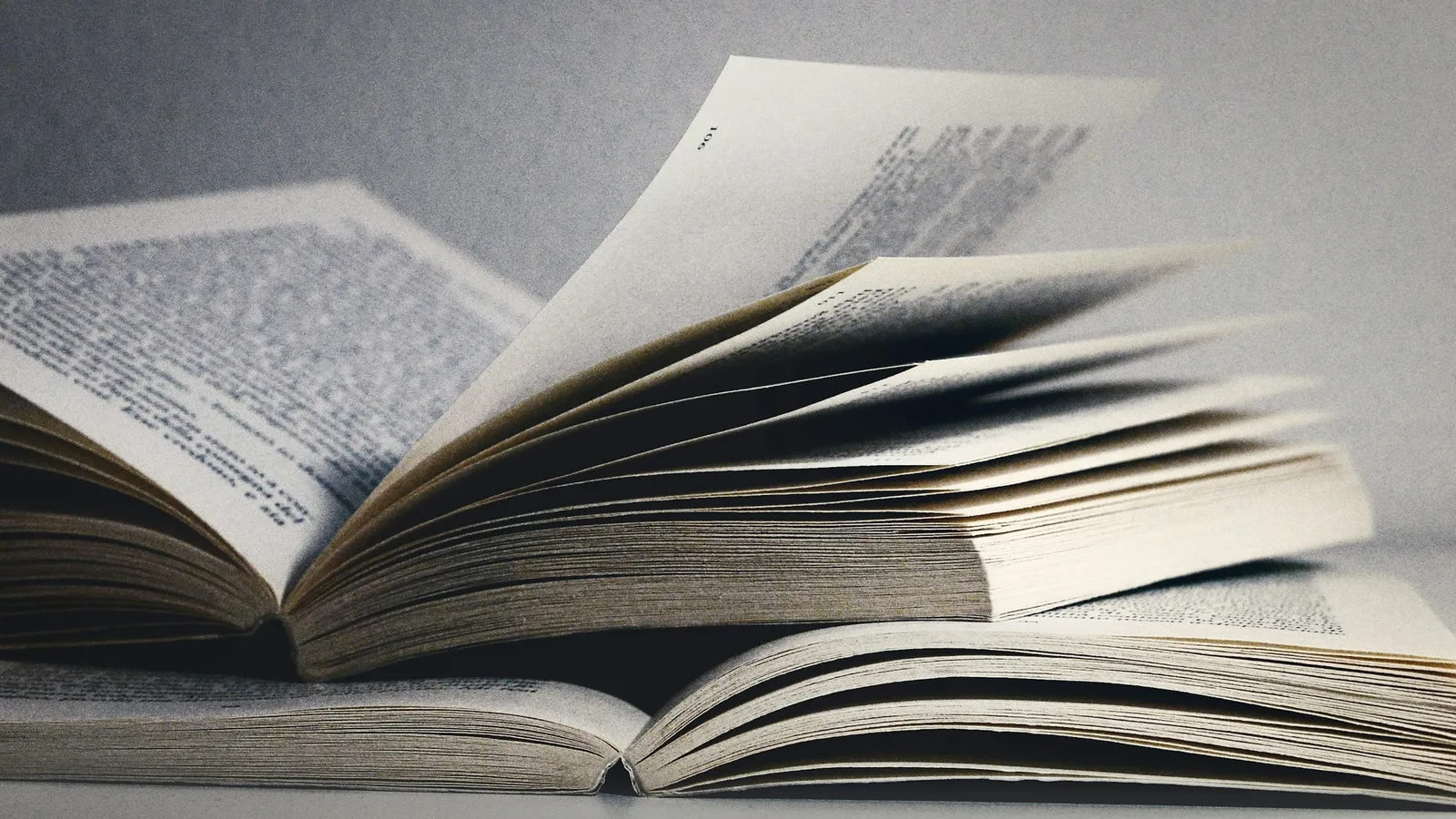
More of your study material now arrives as PDFs, slides and e-books. Does it matter whether you read a chemistry chapter on a tablet or on paper? Two large reviews give a fairly clear answer: a little, for the kind of reading students do most, and for a reason you can work around.
What did Delgado and colleagues find in 2018?
Delgado, Vargas, Ackerman and Salmerón pooled studies from 2000 to 2017 that compared reading comparable texts on paper and on digital devices. Their meta-analysis covered 54 studies with 171,055 participants and found an advantage for paper over digital reading, with an effect size of g = −0.21 (negative means screens did worse).
Three things changed the size of the gap:
Time pressure. The paper advantage was larger when reading was time-constrained than when readers set their own pace.
Type of text. The advantage held for informational texts, or a mix of informational and narrative, but not for studies that used only narrative texts.
Year. The advantage grew in more recent studies rather than shrinking as people got used to screens.
What did other studies add?
Clinton's 2019 meta-analysis included only randomised experiments from 2008 to 2018: 33 studies of reading performance with 2,799 participants. Reading from screens had a negative effect on performance (g = −0.25), which seemed limited to expository texts (g = −0.32), with no difference for narrative texts (g = −0.04). Reading time did not differ reliably. Readers' judgments of their own performance were more accurate on paper (g = 0.20).
That last finding points to a likely cause. In an earlier experiment, Rakefet Ackerman and Morris Goldsmith had students study expository texts on screen or paper. With fixed study time, test scores did not differ; when students controlled their own study time, they did worse on screen. The authors concluded the difference was mainly metacognitive: on screen, students predicted their performance less accurately and regulated their study time more erratically. In plain terms, on a screen it is harder to judge how well you have understood, so you may stop studying at the wrong point.
How big is an effect of 0.21?
Small. It is about a fifth of a standard deviation, which will not decide your exam on its own. But in the Delgado meta-analysis it applied to exactly the reading students do most, informational text like a physics or biology chapter, and it was larger under time pressure. Small, repeated costs add up over a year of study.
What should you do?
You don't need to print everything. Match the medium to the job and add one check.
Dense chapters on paper when you can. For an NCERT chapter you must understand deeply, use the printed book. Use screens for looking things up, light reading and stories.
On screen, slow down on purpose. The paper advantage was larger under time pressure. Don't skim a PDF chapter against the clock.
Test before you judge. After each section, close the file and answer three questions from memory: what was the main idea, why is it true, and how would it appear in a problem? Only then decide whether you have understood it. Our guide to why rereading feels like learning explains why this check matters.
Read actively on either medium. Preview headings, turn them into questions, and summarise from memory. See how to read a science textbook actively.
Practise in the exam's format. If your exam is taken on a computer, sit full mocks on a screen too, so the format isn't new on the day.
A quick routine for a PDF chapter
Read one section, about two pages, at your own pace.
Close the PDF. Write three answers from memory on paper.
Reopen and check. Mark anything you got wrong or left blank.
Reread only the marked parts, then move on.
Where Fermi fits
If the self-test shows a concept you can't explain, the Fermi Concept Library has a lesson for each concept in physics, chemistry, biology and mathematics, so you can fill that one gap instead of rereading the whole chapter.