On this page
A live online class asks for the same attention as a classroom with none of the help. Nobody sees your other tabs, your phone is within reach, and the teacher can't tell when you drift. The good news is that research points to a few specific habits that make a real difference.
What do studies say about attention in lectures?
Short tests keep the mind on track. Szpunar, Khan and Schacter ran two experiments with online lectures. Interpolating the lecture with short memory tests helped students sustain attention, reduced mind-wandering, encouraged note-taking and improved learning. Frequent testing was also linked to less anxiety about the final test.
Off-task browsing costs marks. Ravizza, Uitvlugt and Fenn tracked students' actual internet use in class through a proxy server, rather than relying on self-report. Nonacademic internet use was common and was inversely related to class performance, even after accounting for motivation, interest and intelligence. Class-related browsing brought no benefit.
Multitasking spreads. In a simulated classroom, Sana, Weston and Cepeda found that students who multitasked on a laptop scored lower, and so did students who could see a multitasking peer's screen. At home, the "peer" may be a sibling watching videos next to you.
None of these studies was done on Indian online coaching specifically, but the mechanisms, drifting attention and digital distraction, are the same.
Set up before class starts
A five-minute checklist:
One window. Class full-screen. Close every other tab and app. If you need a calculator, use a physical one.
Phone out of the room, or at least out of sight. Our piece on phones on your desk explains why sight alone matters.
Notes on paper, next to the screen, with the chapter name and date at the top.
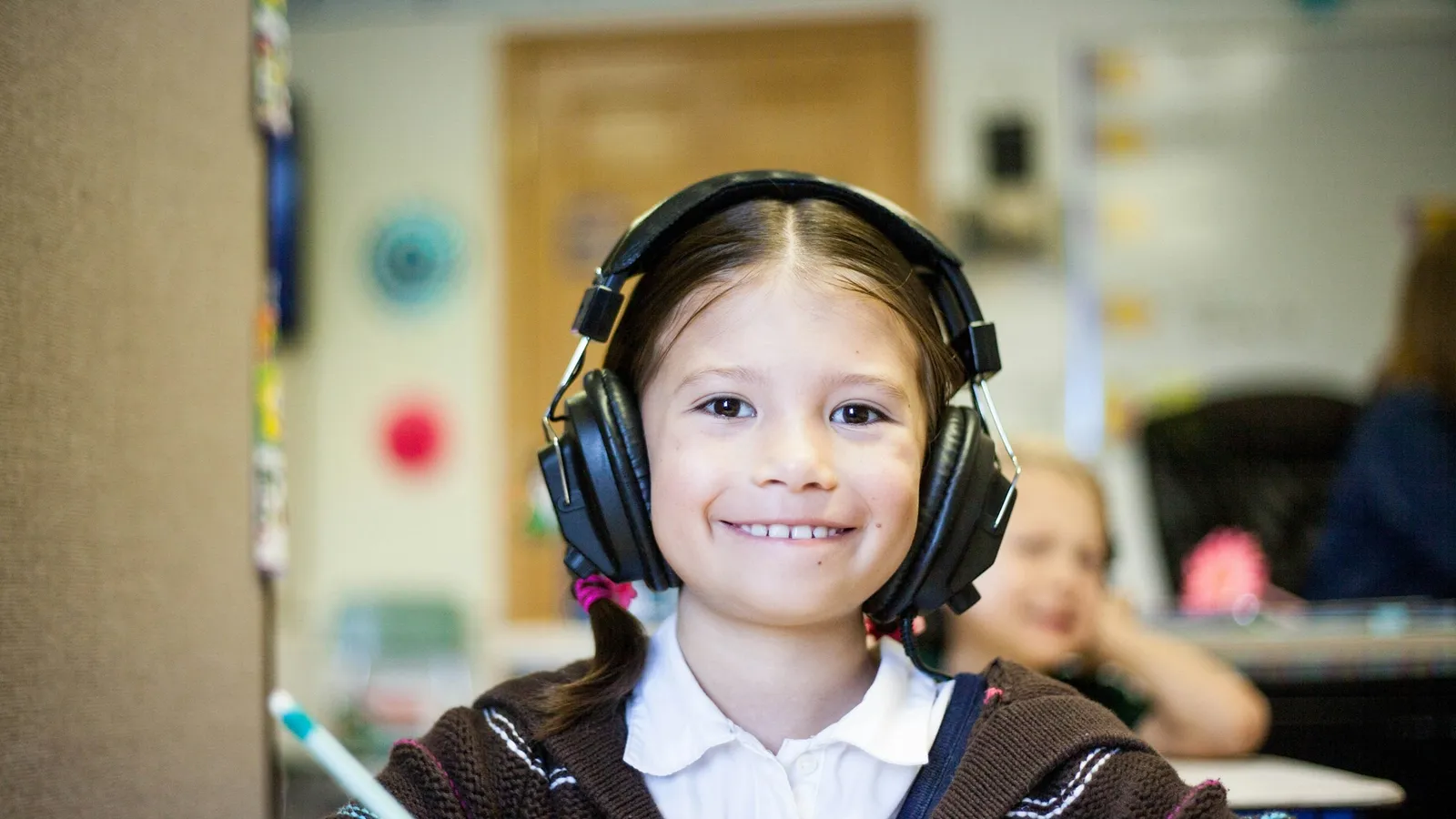
Headphones if anyone else is in the room.
Camera on if your class allows it. Being visible makes drifting less tempting.
Water and a pen within reach, so you don't get up mid-class.
Take notes that keep you in the class
Use a two-column page. On the left, write what the teacher says in your own words. On the right, write questions as they occur to you: "Why does this sign flip?", "Where would this appear in a numerical?" The right column keeps you thinking rather than transcribing. If you want a full system, the Cornell method builds this in.
When the teacher works an example, try to predict the next step before they write it. Mark a tick if you were right and a cross if not. The crosses are your revision list.
Participate, even when nobody is checking
Answer every poll, and commit to an answer before the results show.
Type answers in chat when the teacher asks the class, even if you are not picked.
Ask one question per class. If you can't think of one, ask how today's idea connects to an earlier chapter.
Unmute when invited. Explaining out loud shows you quickly what you don't yet understand.
After class: ten minutes that fix the gaps
Close your notes and write a five-line summary from memory.
Open your notes and fill in what you missed in a different colour.
Answer your right-column questions, or carry them to the next class or a doubt session.
Do two problems on the topic the same day.
If you mostly watch recordings, our guide to live classes and recorded lectures covers how to pause and test yourself.
Where Fermi fits
For JEE Main and Advanced students, Fermi Testprep includes live classes and a study plan. The same setup, notes and self-quiz habits apply there.