

On this page
Ask a chatbot "What JEE Main rank do I need for NIT Trichy CSE?" and you get a confident number. That number may come from an old year, the wrong round or the wrong category, or it may be made up. The questions an AI helps you ask are useful. The numbers it gives you are not safe to use as they are. Here is why, and how to split the work so you get the help without the risk.
Can you trust AI for college cut-offs and rankings?
Trust it to organise your thinking, not to supply the figures. A chatbot is good at turning "which college?" into a list of things to check: branch or institute, home state or other state, hostel costs, distance from home. It is unreliable at giving the exact numbers that answer those questions, for three reasons.
First, its knowledge stops at a date, and that date is fuzzier than you might think. A 2024 study found that a model's effective knowledge cut-off often differs from the cut-off its makers report, and varies by resource and topic (Cheng et al., 2024).
Second, language models can produce fluent text that is not true, a problem researchers call hallucination (Ji et al., ACM Computing Surveys, 2023). A closing rank is a precise number, so a made-up one looks exactly like a real one.
Third, a cut-off is not one number.
Why does one college have so many cut-offs?
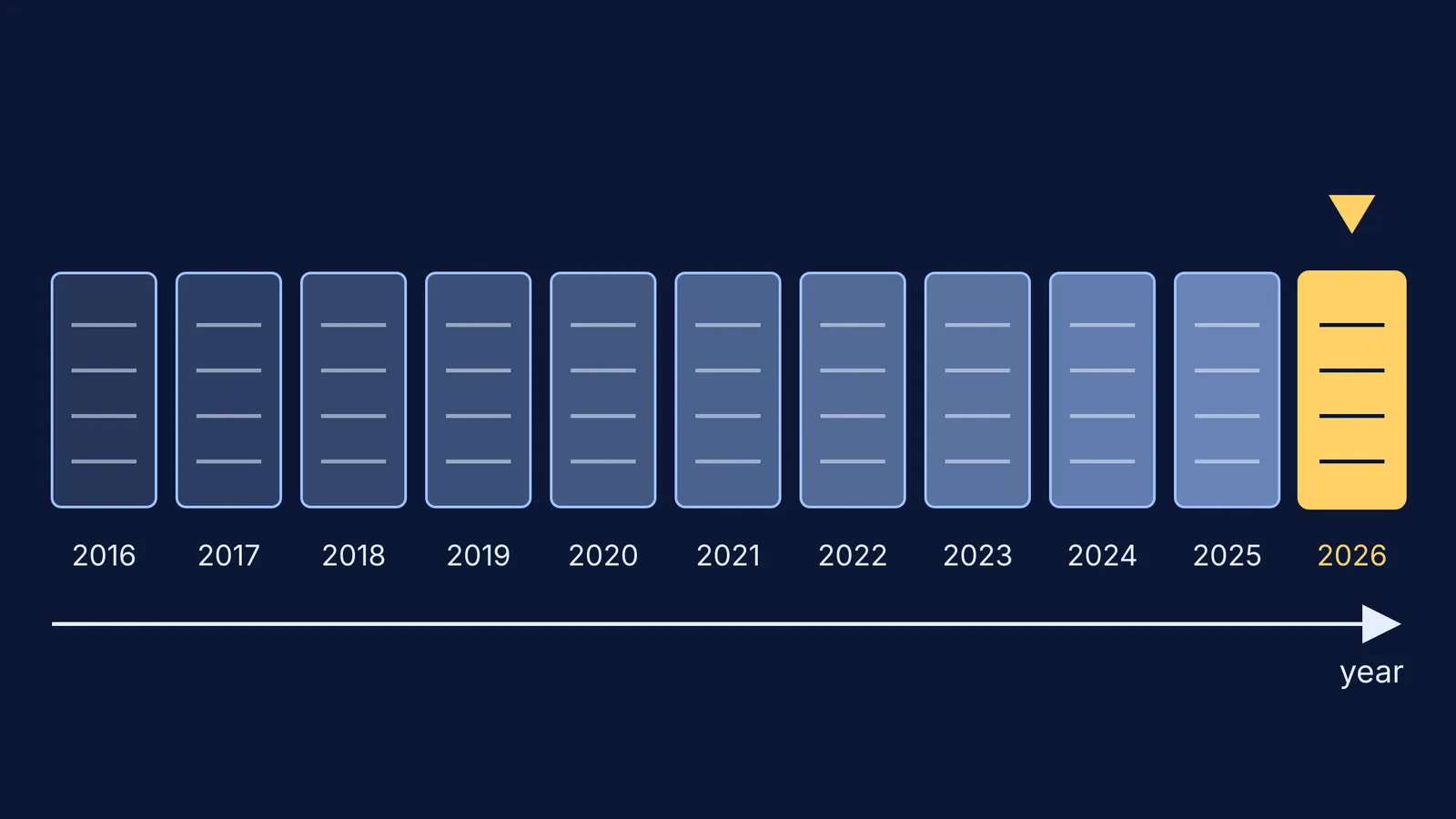
JoSAA publishes opening and closing ranks separately for each year, and its archive lets you filter by year, round, institute type, institute, academic programme and seat type (JoSAA rank archive). The archive goes back to 2016, and the current year's table has its own link (JoSAA opening and closing ranks). So "the cut-off for NIT X" could mean dozens of different figures. An AI that blends them, or quotes round 1 when you need the final round, gives you a number that was never true for your situation.
NEET-UG counselling works the same way: the Medical Counselling Committee posts allotment results round by round, up to a stray vacancy round (MCC UG medical counselling). Our guides to JoSAA rounds, choices and documents and to MCC, state quota and NEET counselling rounds walk you and your parents through the steps.
Fees can change from one year to the next, so take them only from the institute's own fee notice for your admission year.
What does a NIRF rank actually measure?
The NIRF India Rankings are released by the Ministry of Education, and the 2025 edition came out on 4 September 2025 (PIB press release). According to that release, institutions are scored on five groups of parameters: teaching, learning and resources (weight 0.30), research and professional practice (0.30), graduation outcome (0.20), outreach and inclusivity (0.10) and perception (0.10).
Two things follow. A NIRF rank describes a whole institution, not the branch you will study, and it says nothing about cut-offs or fees. And institutions take part by applying: according to the same release, 7,692 unique institutions offered themselves for ranking in 2025. A college missing from the list may simply not have applied. Before you repeat any rank, check which year's list it comes from, because each new edition replaces the last.
How should you use AI to compare colleges?
Split the work. AI writes the questions; official pages give the answers.
Ask AI for the questions, not the numbers. Try: "I am a JEE Main candidate from Rajasthan in the OBC-NCL category, interested in electrical engineering. List what I should compare between colleges, and for each item name the official source that would have the answer. Do not give me any ranks or fees."
Make a blank sheet with those questions as columns and your shortlisted colleges as rows.
Fill each number from its source: JoSAA or MCC for ranks, the NIRF site for rankings, the institute's own website for fees and hostel costs.
Write the year, round and seat type next to every rank you copy.
Give the filled sheet back to the AI and ask it to spot gaps or mismatches, such as a round 1 rank sitting next to a final-round rank.
Before you use any number an AI gives you, check:
Which year is it from?
Which round and seat type?
Can you open the official page and see the same figure?
Has a newer round or edition come out since then?
If an AI hands you a link or a report you cannot find, our guide on checking sources an AI may have made up shows how to test it.
What should you do with the time you save?
Comparing colleges matters, but your rank comes from preparation. If you are not sure which topic to tackle next, Fermi's AI tutor can work out what you already know and build a plan for the session, so you sit down to a clear next step.
Today, bookmark the JoSAA or MCC page for your exam, and open it before you trust any number a chatbot gives you.


