

On this page
NCERT's chapter on sexual reproduction in flowering plants describes double fertilisation in a few lines and calls it "an event unique to flowering plants" (NCERT Class 12 Biology, Chapter 1). The name behind that discovery rarely appears in Indian textbooks. This post covers what Sergei Nawaschin found, what later work added, and a chromosome-counting example that exam questions love. One honest note first: detailed English sources on Nawaschin's life are scarce, so this post sticks to what the scientific record states.
What did Nawaschin discover?
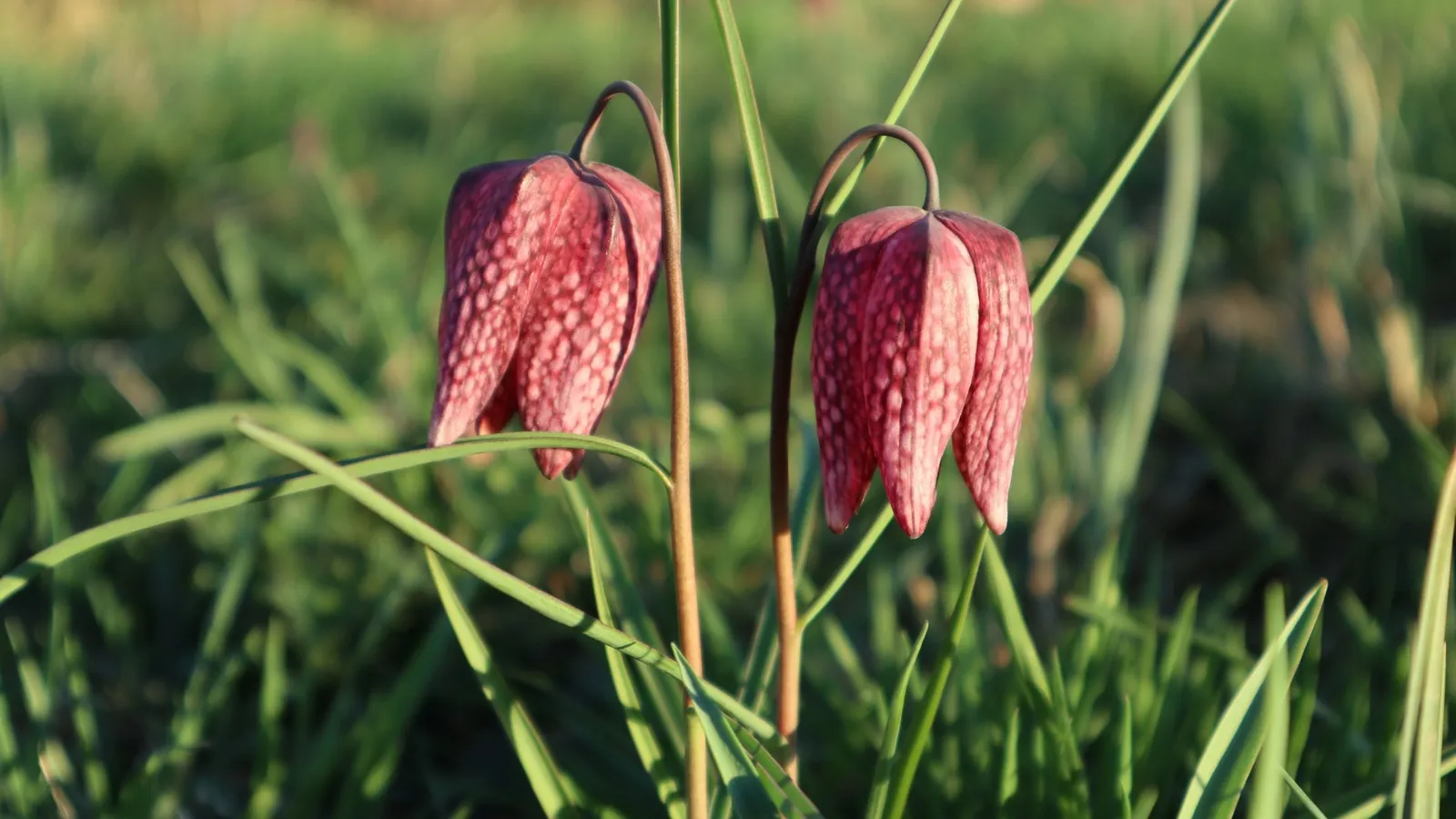
The plant biologist V. Raghavan, reviewing a century of research in New Phytologist (2003), states it directly: the fusion of one sperm with the egg cell to form the embryo, and of the other sperm with the polar fusion nucleus to give rise to the endosperm, "was discovered by Nawaschin in 1898 in the liliaceous plants, Lilium martagon and Fritillaria tenella". Both are members of the lily family.
The key point is that both male gametes take part, each in a different fusion. The discovery is still marked: in 2008 the journal Cytology and Genetics published a review titled Double fertilization in flowering plants: 1898-2008 alongside an article on Sergei Gavrilovich Navashin. You will see his name spelt both ways: Raghavan writes Nawaschin, the 2008 article Navashin.
Did anyone else see it?
Yes. The French botanist Léon Guignard is also credited with the discovery. A 2005 article in the Revue d'histoire de la pharmacie discusses a letter from the Dutch botanist Hugo de Vries to Guignard, dated 25 November 1899, congratulating him on the discovery of double fertilisation. Two people reaching the same result is a useful sign that it is real.
What exactly happens in double fertilisation?
NCERT describes the mature embryo sac as 8-nucleate but 7-celled: an egg and two synergids at one end, three antipodals at the other, and a large central cell with two polar nuclei. After the pollen tube enters a synergid, it releases two male gametes.
One male gamete fuses with the egg. This is syngamy, and it makes the diploid zygote.
The other fuses with the two polar nuclei. This is triple fusion, because three haploid nuclei join, and it makes the triploid primary endosperm nucleus (PEN).
The zygote becomes the embryo. The primary endosperm cell becomes the endosperm, the food store the embryo grows on.
Worked example: counting chromosomes
Suppose a flowering plant has 2n = 24. This is a sample number for practice. Fill in each cell or tissue.
Egg cell: n = 12.
Each male gamete: n = 12.
Each polar nucleus: n = 12.
Zygote (egg + one male gamete): 12 + 12 = 24, so 2n.
Primary endosperm nucleus (two polar nuclei + one male gamete): 12 + 12 + 12 = 36, so 3n.
Endosperm cells, formed by division of the PEN: 36.
Embryo cells, formed by division of the zygote: 24.
Common mistakes:
Giving the endosperm 2n. Triple fusion means three sets, so 3n.
Fusing the second gamete with a synergid. The synergid receives the pollen tube; the second gamete goes to the central cell.
Calling it unique to plants in general. NCERT says flowering plants. Raghavan adds that two fusion events have been described in some gymnosperms, but the second product there is a short-lived embryo, not endosperm.
What has research added since 1898?
Kordyum's 2008 review summarises later work on double fertilisation using electron and fluorescence microscopy, cultures of isolated ovules, sperm cells, egg cells and central cells. Raghavan describes the in vitro demonstration of both fusions using isolated cells, and genetic studies in the small plant Arabidopsis thaliana that find mutants in which endosperm starts developing without fertilisation. A finding made by looking at fixed lily tissue is now studied gene by gene.
If you want the animal side of the story, read our post on Oscar Hertwig and the moment two nuclei become one. For the full chapter, see our guide to reproduction in flowering plants.
What can a student take from this discovery?
Follow every part. The pollen tube brings two male gametes. Asking what each one does is what revealed the second fusion.
Look for a second witness. Guignard's work in France pointed to the same process.
Old findings keep growing. A 19th-century observation still drives genetics research.
If ploidy questions keep tripping you up, the Fermi Problem Library has worked problems with a step-by-step solver that explains the reasoning rather than printing an answer.
Try it now: repeat the worked example for a plant with 2n = 14, and give the ploidy and chromosome number of the endosperm.


