On this page
The photosynthesis chapter in your NCERT Class 11 Biology book has a short history section. Joseph Priestley shows that a plant can keep a candle burning in a sealed jar. Then, in two sentences, Jan Ingenhousz shows that this only works in sunlight. Those two sentences hide one of the most intense bursts of experimenting in the history of biology. This post explains what Ingenhousz found, how he reasoned, and how to use his work in exam answers.
Who was Jan Ingenhousz?
The NCERT Class 11 Biology chapter on photosynthesis gives his dates as 1730-1799. He was a physician. The title page of his book, Experiments upon Vegetables (London, 1779), describes him as Counsellor of the Court and Body Physician to "their Imperial and Royal Majesties". The book is dedicated to Sir John Pringle.
The full title states his main finding: plants have a "great power of purifying the common air in the sun-shine, and of injuring it in the shade and at night."
What did he do in that one summer?
In the preface, Ingenhousz says he withdrew from the noise of the city to a small villa so nothing would interrupt him. The book, he writes, "is a part of the result of above 500 experiments, all which were made in less than three months, having begun them in June, and finished them in the beginning of September, working from morning till night."
A quick check on that pace: June to the first days of September is roughly 95 days. More than 500 experiments in about 95 days is more than 5 experiments a day, every day, for the whole summer.
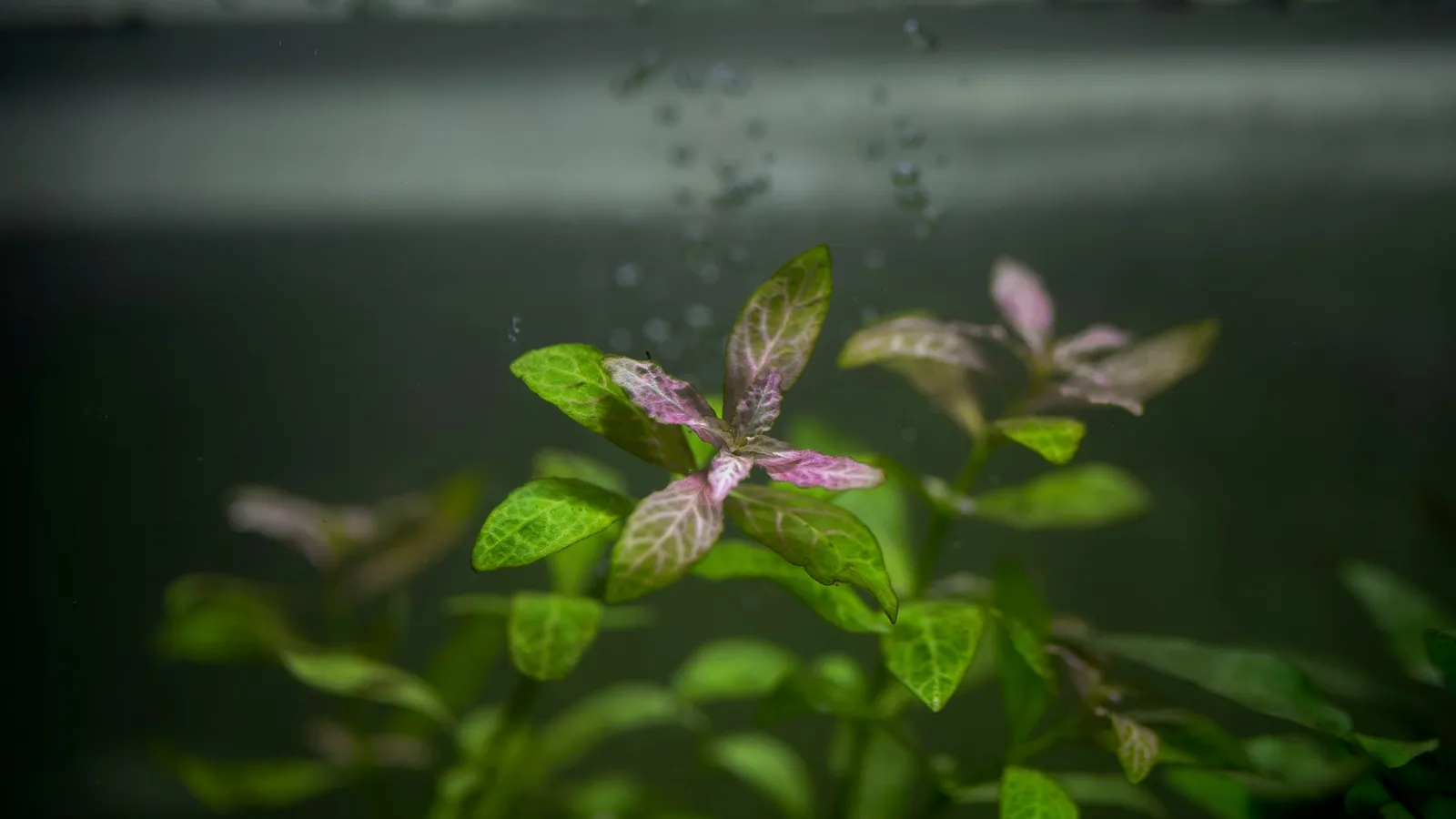
His method used water. He put leaves under water in glass vessels and watched for bubbles. NCERT describes it this way: in bright sunlight small bubbles formed around the green parts, while in the dark they did not, and he later identified the bubbles as oxygen. In the language of his own time, he called the good air "dephlogisticated air", the name then used for what we now call oxygen.
What exactly did he find?
The book's contents page and opening summary list his conclusions. In the modern terms you use in class, they are:
Speed: Priestley's experiments suggested plants needed six or ten days to correct bad air. Ingenhousz found they did it "in a few hours", provided they were in sunlight.
Light is the cause: the effect is "by no means owing to the vegetation of the plant, but to the influence of the light of the sun upon the plant."
Only green parts: a chapter heading reads that "no part of plants improve ordinary air, or yield dephlogisticated air, but the leaves and the green stalks."
Other parts and darkness: roots removed from the ground, flowers and fruits make the air worse at all times, and plants in general injure the air in the shade and at night.
Sunlight alone is not enough: he also wrote that the sun by itself has no power to improve air without the plants.
How do his findings fit what you study now?
What Ingenhousz saw was two processes at once. In light, the green parts carry out photosynthesis, which releases oxygen faster than the plant uses it. In the dark, and in non-green parts like roots, flowers and fruits, only respiration happens, which uses oxygen and releases carbon dioxide. His "injuring the air at night" is plant respiration.
The NCERT chapter then follows the story through Julius von Sachs (glucose made in green parts), Theodor Engelmann (which colours of light work, covered in our post on Engelmann's action spectrum) and Cornelius van Niel (oxygen comes from water). Our guide to photosynthesis for NEET covers the light reactions and Calvin cycle that came next.
A worked exam answer. Question: "A plant in a sealed jar keeps a mouse alive by day but not by night. Explain."
By day, light drives photosynthesis in the green leaves, which releases oxygen faster than the plant and mouse use it.
At night there is no photosynthesis. The plant still respires, using oxygen, so both plant and mouse use up the oxygen.
So the oxygen supply depends on light, as Ingenhousz showed in 1779.
Common mistakes:
Saying plants respire only at night. They respire all the time; at night respiration is simply not outweighed by photosynthesis.
Giving Priestley credit for the role of light. Priestley showed that plants restore air; Ingenhousz showed that light is needed.
Writing that all parts of a plant release oxygen. Ingenhousz's own heading limits it to the leaves and green stalks.
What can a student take from Ingenhousz's way of working?
Repeat until the pattern is certain. Over 500 experiments let him separate real effects from chance.
Pull apart things that come together. Sunlight brings both light and heat. He asked which one mattered.
Test every part. Instead of treating "the plant" as one thing, he tested leaves, stalks, roots, flowers and fruits separately, and the difference was the discovery.
If the balance between photosynthesis and respiration still feels slippery, Fermi's AI tutor can work out what you already know and build a plan for the session, so you start from the part that is unclear.
Next step: write Ingenhousz's five findings as a list in your own words, and next to each, name the process (photosynthesis or respiration) that explains it.