On this page
Physicists get most of the attention in stories about nuclear energy, but a reactor is useless without fuel, and fuel is a chemistry and engineering problem. Someone has to turn sand into thorium, ore into uranium metal, and used fuel back into something useful. In India, the person who led much of that work was Homi Sethna. This post sets out what is on the record about his career, explains the chemistry behind it with worked numbers, and ends with what students can learn from his way of working.
Who was Homi Sethna?
The Department of Atomic Energy's centenary note gives his dates as 1923 to 2010 and calls him one of India's atomic energy pioneers. It says he started as General Manager of Indian Rare Earths in 1949, then led the chemical engineering programmes at the Atomic Energy Establishment, Trombay (now BARC), and in the related public sector units of the department.
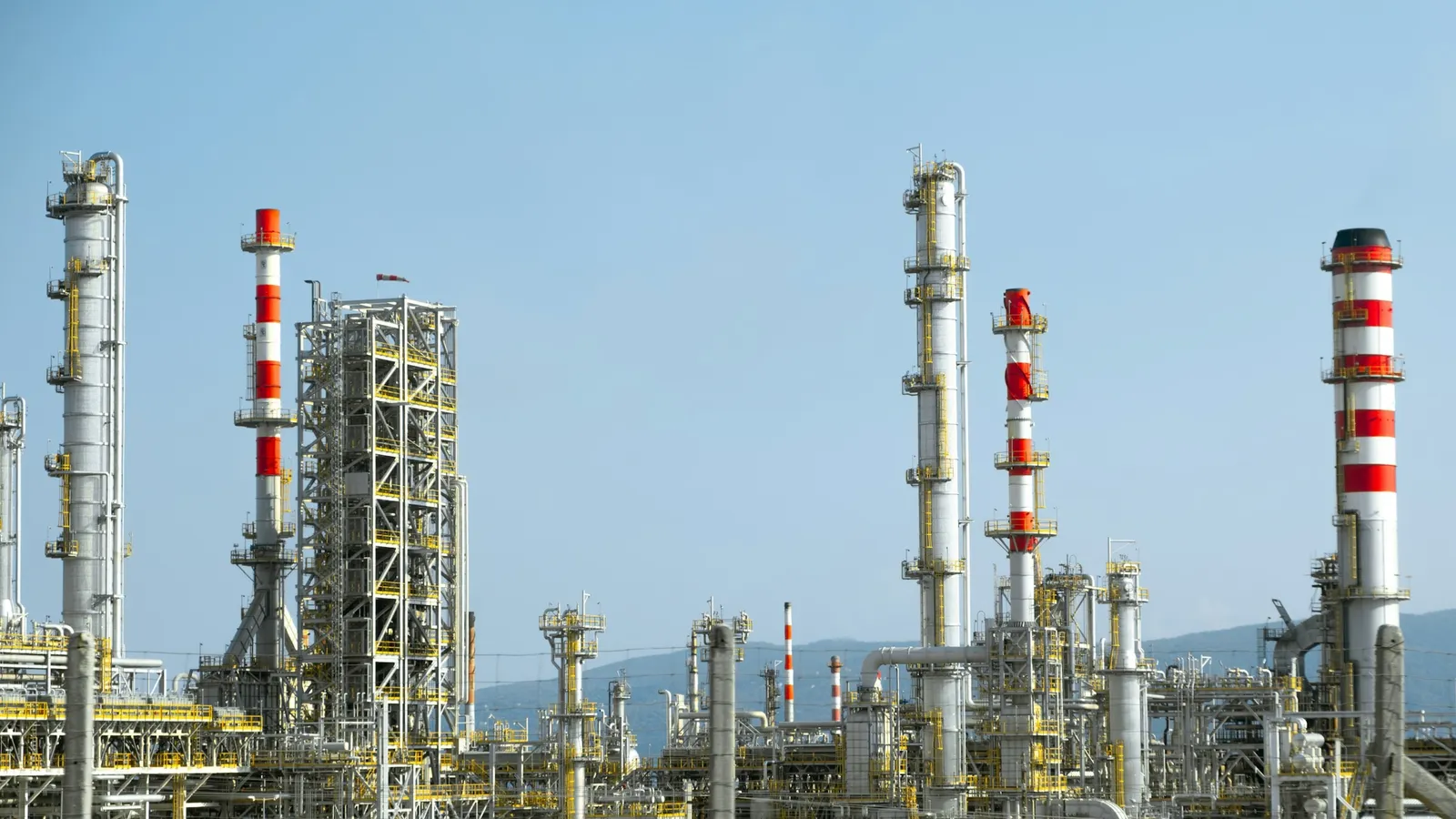
Between 1950 and 1960 he oversaw the building of major facilities at Trombay, including the Thorium Plant and the Uranium Metal Plant. DAE credits him with starting and leading the nuclear fuel cycle and heavy water parts of the programme, and with building India's first reprocessing plant at Trombay, dedicated to the nation in 1965. After Homi Bhabha died in 1966 he took over the leadership of BARC, and he was Chairman of the Atomic Energy Commission from 1972 to 1983. For the story of Bhabha himself, read our profile of Homi Bhabha.
Why does thorium start with beach sand?
The World Nuclear Association explains that the most common source of thorium is monazite, a rare earth phosphate mineral that contains up to about 12% thorium phosphate (6 to 7% on average), with the richest deposits in sands concentrated by waves and currents. The same page lists India as having the largest estimated thorium resources of any country. That is why a rare earths company and a thorium plant were among the first jobs of India's atomic energy programme.
Thorium-232 is not fissile itself. It is fertile: it absorbs a neutron and, through two beta decays, becomes uranium-233, which is.
Worked example 1: balance the chain. Thorium has Z = 90.
²³²Th (Z = 90) + n → ²³³Th (Z = 90). The mass number rises by 1; Z does not change.
²³³Th → ²³³Pa (Z = 91) + β⁻. Beta decay raises Z by 1 and leaves A unchanged.
²³³Pa → ²³³U (Z = 92) + β⁻.
WNA gives the half-lives as about 22 minutes for Th-233 and 27 days for Pa-233. So after 54 days, two half-lives, one quarter of a batch of Pa-233 is still waiting to become U-233. A common mistake is to lower Z in beta-minus decay; remember that a neutron turns into a proton, so Z goes up. Our guide to radioactive decay and half-life has more practice.
What does a reprocessing plant actually do?
Used reactor fuel still holds uranium and some plutonium, mixed with fission products. WNA's page on processing used nuclear fuel describes the main method, Purex: the fuel is dissolved in hot concentrated nitric acid, and uranium and plutonium are pulled into an organic solvent (tributyl phosphate in kerosene or dodecane) by counter-current solvent extraction, while the fission products stay in the water layer.
Worked example 2: why many stages? The numbers here are illustrative, not plant data. Suppose a metal ion has a distribution ratio D = 10 between solvent and water, and you shake equal volumes of each.
After one contact, the fraction left in water is 1 ÷ (1 + D) = 1 ÷ 11 ≈ 9.1%.
Repeat with fresh solvent twice more: (1/11)³ = 1/1331 ≈ 0.075% left.
One good contact is not enough; several stages in a row give a far cleaner separation. Turning that idea into a safe, continuous, shielded plant is chemical engineering.
How did he respond when fuel supplies were cut?
India's first nuclear test took place in 1974. DAE records that afterwards the fuel supply for the Tarapur nuclear power units was threatened. Sethna pursued the legal and diplomatic case on the supplier's obligations and, at the same time, demonstrated a technical alternative: running the units on mixed oxide (MOX) fuel made from the existing stock of used fuel. DAE says India's nuclear power programme consolidated its self-reliance under his leadership during the embargoes that followed. He died in 2010.
What can a student take from how he worked?
Respect the unglamorous step. Fuel, separation and purification sound less exciting than reactors, but nothing runs without them. In exams too, the routine steps such as units, balancing and significant figures decide marks.
Think in stages. The extraction example shows how repeating a modest step gives a large result. Revision works the same way.
Keep two plans running. When Tarapur's fuel was at risk, he argued the case and built a technical fallback at once.
Learn the chemistry behind the physics. Nuclear energy needs both subjects, and so do JEE and board papers.
If beta decay or solvent extraction still feels shaky, the Fermi Concept Library covers every concept in physics and chemistry with its own lesson, so you can fix one idea at a time. For the physics side of the same programme, read our profile of Raja Ramanna.
Redo worked example 2 with D = 5 and find how many stages you need to leave less than 1% in the water.