

On this page
In the late 19th and early 20th centuries, public psychiatric hospitals were filled with patients suffering from a terrifying, progressive disease known as general paresis, also known as general paralysis of the insane, or paralytic dementia. It began with subtle personality changes and short-term memory loss, and progressed to severe delusions, apathy, intention tremors, paralysis and eventually death (Wikipedia). Prior to the discovery of its cause and treatment, the condition was inevitably fatal, and it accounted for as much as 25% of the primary diagnoses for residents in public psychiatric hospitals.
What was general paresis?
For decades, physicians debated what caused it. Many believed it was a consequence of a weak constitution, an inherent weakness of character, or a "dissolute" lifestyle. Others noticed that it often struck people who had contracted syphilis years or decades earlier. However, because the active signs of syphilis had long since vanished in these patients, paresis was classified as a "parasyphilitic" disease — a mysterious degenerative after-effect, rather than an active infection. It was thought to be a separate condition that only coincidentally shared a history with syphilis.
How did Noguchi link syphilis to the brain?
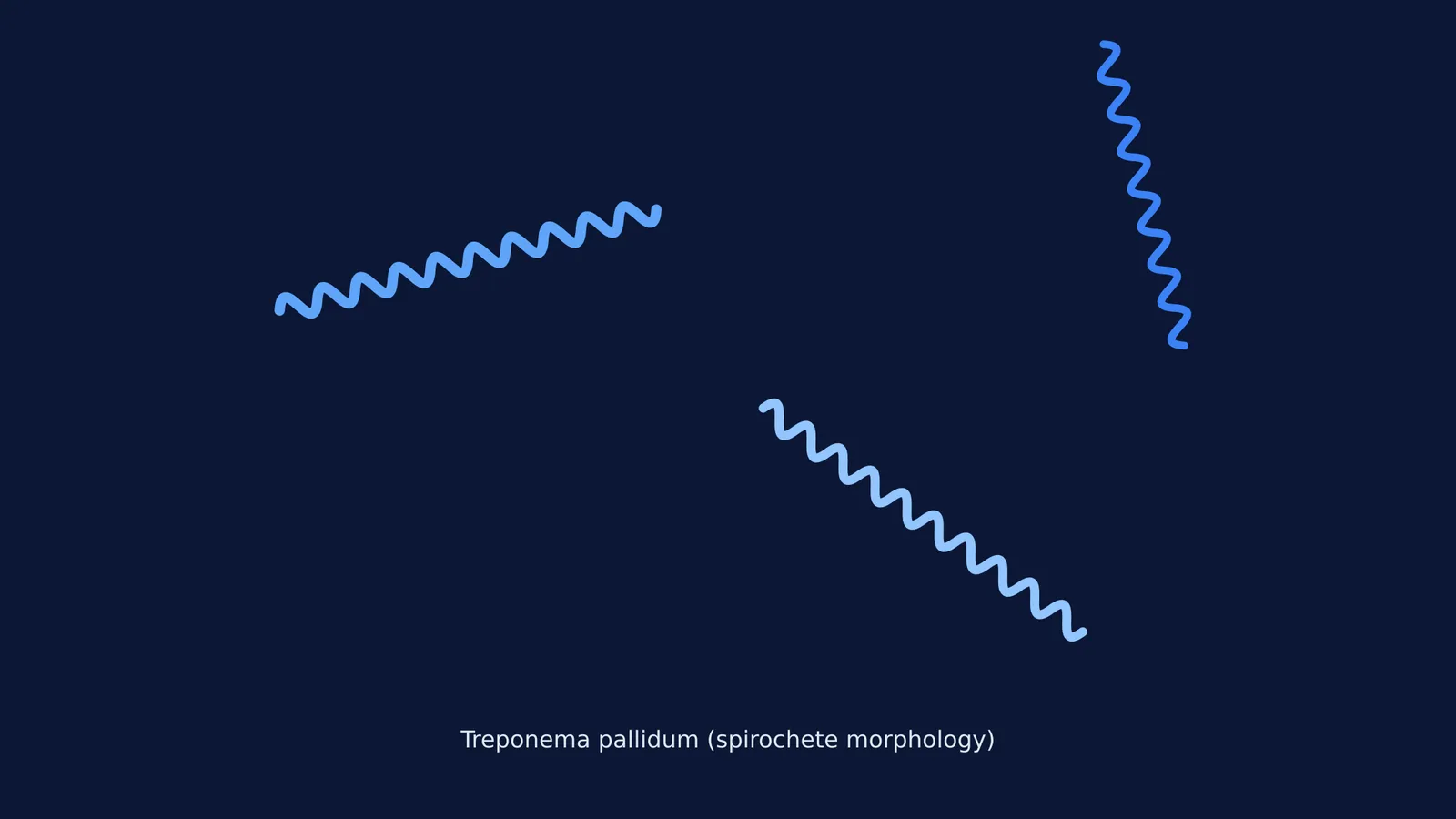
Hideyo Noguchi, a Japanese bacteriologist working at the Rockefeller Institute for Medical Research in New York, decided to look closer at the physical tissues of patients. In 1905, scientists Fritz Schaudinn and Erich Hoffmann had identified the corkscrew-shaped bacterium (a spirochete) that causes syphilis, naming it *Treponema pallidum*.
Noguchi, alongside his colleague J. W. Moore, a psychiatrist at Wards Island, meticulously examined the brain and spinal cord tissues of patients who had died from general paresis. In 1913, they published their findings: they had successfully demonstrated the presence of active *Treponema pallidum* spirochetes directly within the brain tissue of these patients (Journal of Experimental Medicine).
This physical proof changed medicine. It eliminated all doubt about the nature of the disease: general paresis was not a vague degeneration, nor a character flaw. It was late-stage, active neurosyphilis. The bacteria had crossed into the central nervous system, physically destroying the brain over years. Just as Alois Alzheimer and the plaques in a patient's brain showed a physical marker for memory loss, Noguchi found the physical culprit for paresis.
How should you study diseases?
For students learning biology, diseases are a major part of the syllabus. Noguchi's discovery is a classic example of why it helps to study them systematically. It is easy to memorise a list of symptoms, but it is much more effective to map the disease from cause to effect.
When you study a disease, try building a mental table with these four columns:
The Pathogen: What exact organism causes it? (e.g. *Treponema pallidum*, a spirochete).
The Target: Which organs or systems does it invade? (e.g. skin and mucous membranes early on, the brain and nervous system in late stages).
The Symptoms: What happens as a result of that invasion? (e.g. lesions initially, then decades later, dementia and paralysis).
The Historic Link: How did we find the connection? (For another example of linking a pathogen to its complex symptoms, see the story of Carlos Chagas: a new parasite, its insect carrier and its disease).
If you are reviewing genetic conditions, you might use a similar framework for Mendelian disorders: sickle-cell anaemia, thalassemia and PKU. This structured approach is exactly what you will find in the Concept Library, which gives every concept in physics, chemistry, biology, mathematics and computing its own lesson and its place in the map. When you see how a pathogen's biology dictates the patient's symptoms, the facts stick together rather than floating as separate points to memorise.
How did finding the cause lead to a cure?
Finding the cause is the first step to finding a cure. Once it was clear that general paresis was an active bacterial infection, scientists knew they had to find a way to kill the spirochetes in the brain.
Initially, this led to extreme treatments like malaria therapy. In 1917, Julius Wagner-Jauregg discovered that intentionally infecting paretic patients with malaria could induce a high fever that would halt the progression of the syphilis bacteria, earning him a Nobel Prize. Eventually, the widespread availability and use of antibiotics in the 1940s changed everything. Today, a simple course of penicillin can cure the infection entirely, making general paresis a rare condition. What was once a leading cause of institutionalisation was defeated, starting with a bacteriologist looking through a microscope at the brain.


